When Covid-19 shut down the country in March of 2020, NBC News correspondent and MSNBC host Katy Tur felt she approached a crossroads. Like so many others juggling work, parenting and the uncertainties of the pandemic, she found herself questioning her path as a journalist and what the future might hold.

During that time, she received a huge box from her mother in the mail. It contained a hard drive of every story her parents – pioneering helicopter journalists Zoey Tur and Marika Gerrard – filmed for their L.A.-based news service business in the 1980’s and 90’s: Madonna’s marriage to Sean Penn, the L.A. riots, O.J. Simpson’s famous Bronco chase, as well as all of their family’s home videos.
“I was forced to confront a lot of stuff that I had been running away from,” Tur recently told Know Your Value contributor and “Morning Joe” reporter Daniela Pierre-Bravo.
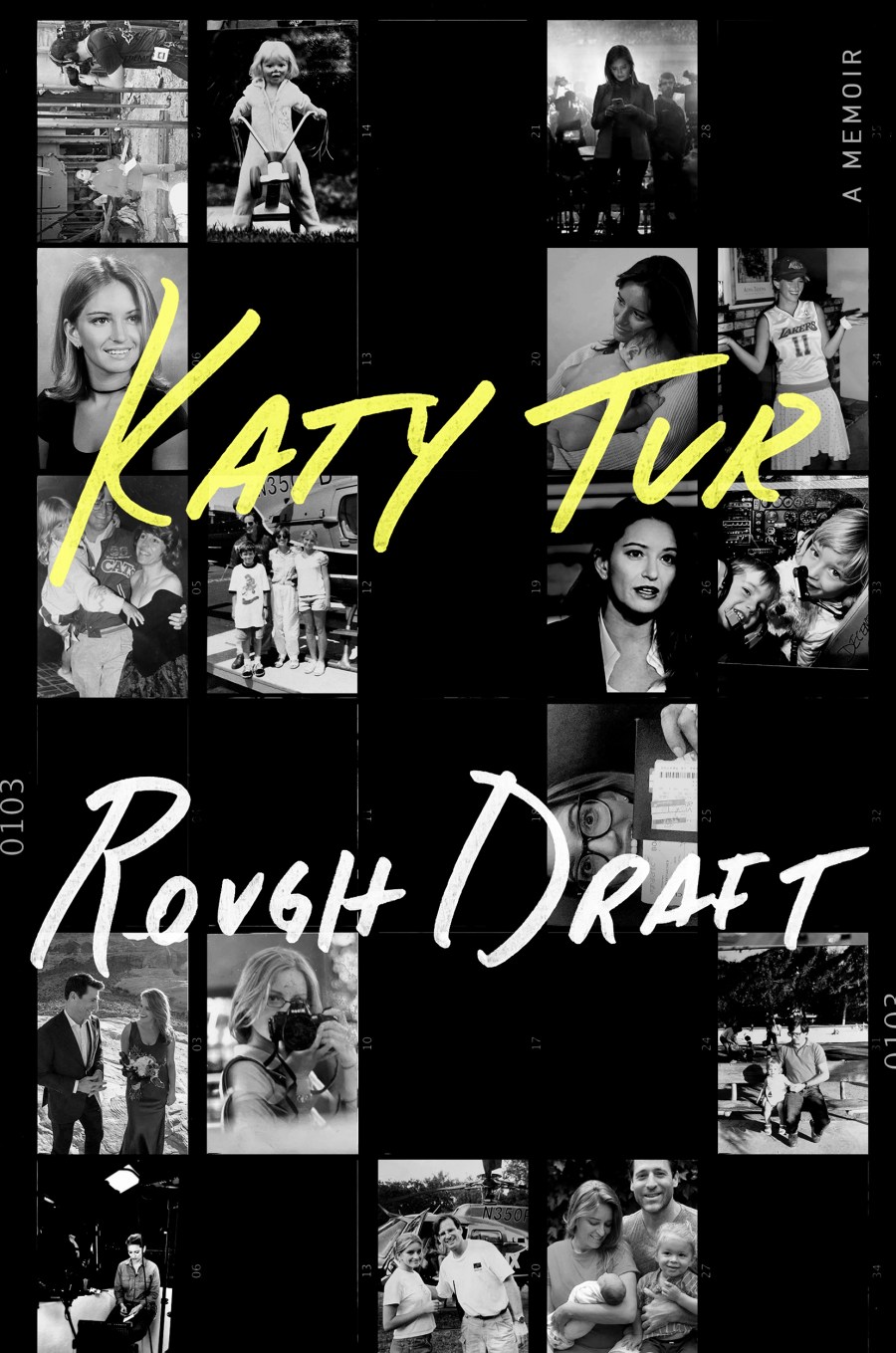
That journalistic legacy – and the complicated family history she revisited — became the basis for her deeply personal memoir, “Rough Draft: A Memoir.” A sharp turn from her 2017 New York Times’ bestseller, “Unbelievable,” which detailed her coverage of the 2016 Trump campaign, this memoir digs into the highs and lows of a childhood spent in TV news.
By the time she was 4 years old, Tur regularly flew in her parents’ helicopter as they chased breaking news stories, her father flying and reporting as her mother leaned out of the cockpit to capture the best possible shot.
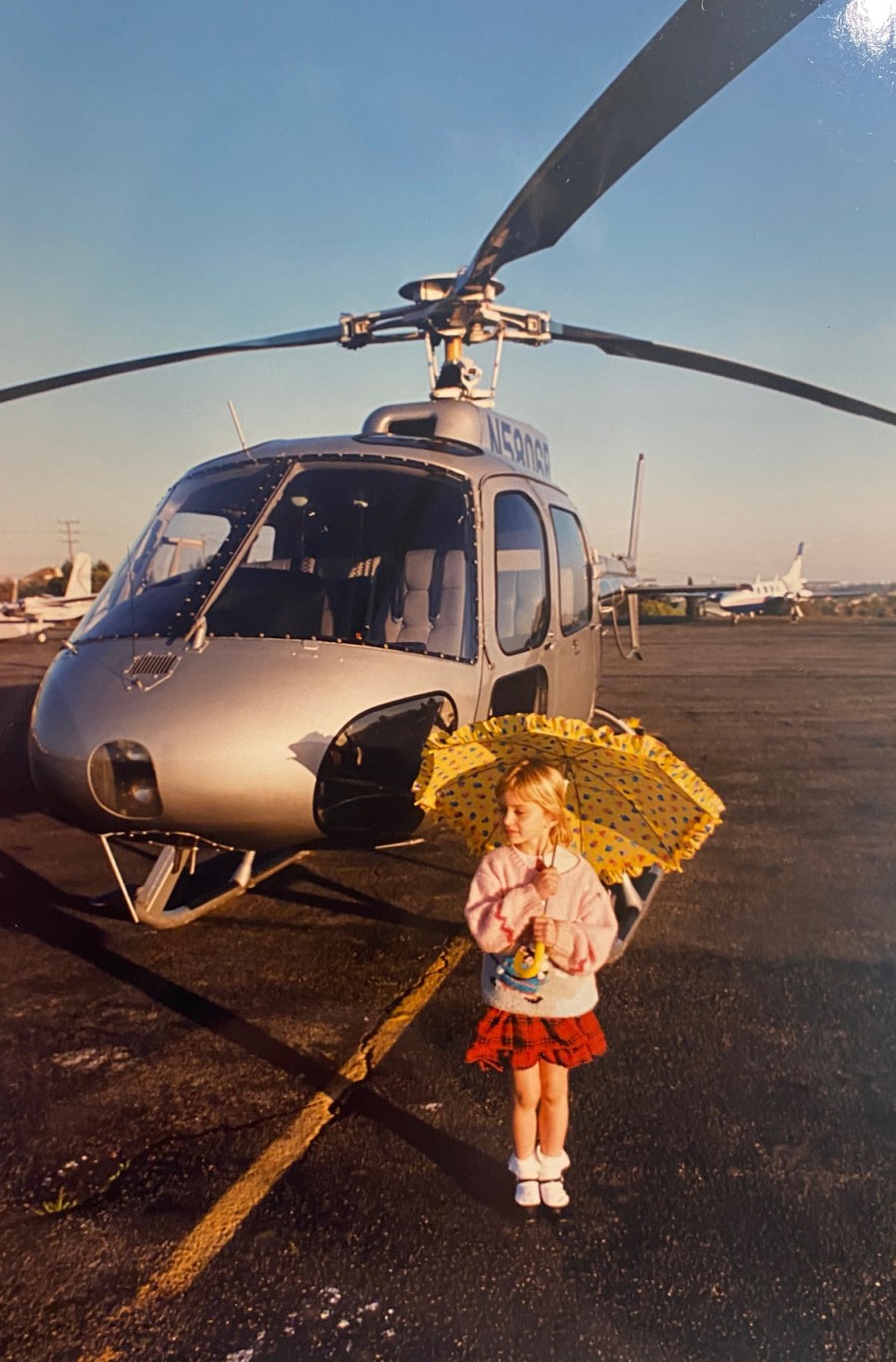
Bob Tur – now Zoey Tur – once got so close to a forest fire in Malibu with Katy in tow that she could feel the heat on her shins 500 feet in the air. Nevertheless, it was an excitement she relished, a childhood that as she put it, “smelled like eucalyptus trees, the Pacific Ocean, and jet fuel.”
‘Living on the edge of a knife’
At the same time, that level of excitement one moment could quickly turn to a moment of fear the next.

“There was the roar of the helicopter, meaning my parents were hovering somewhere, likely on the back end of a story with their microphones still recording,” she wrote in her memoir. “Then there was an ugly sound, like flesh hitting flesh. Then the sound of my mother crying. Then my father’s voice … ‘I don’t know how to communicate with you except through violence,’ he said.”
“I knew exactly what I was listening to, a sound that as much as anything else was the sound of my childhood,” Tur wrote in the book. “I’m sure they didn’t intend to keep a record of the violence, but they did and I’d heard it. I couldn’t unhear it. I had to confront it.”
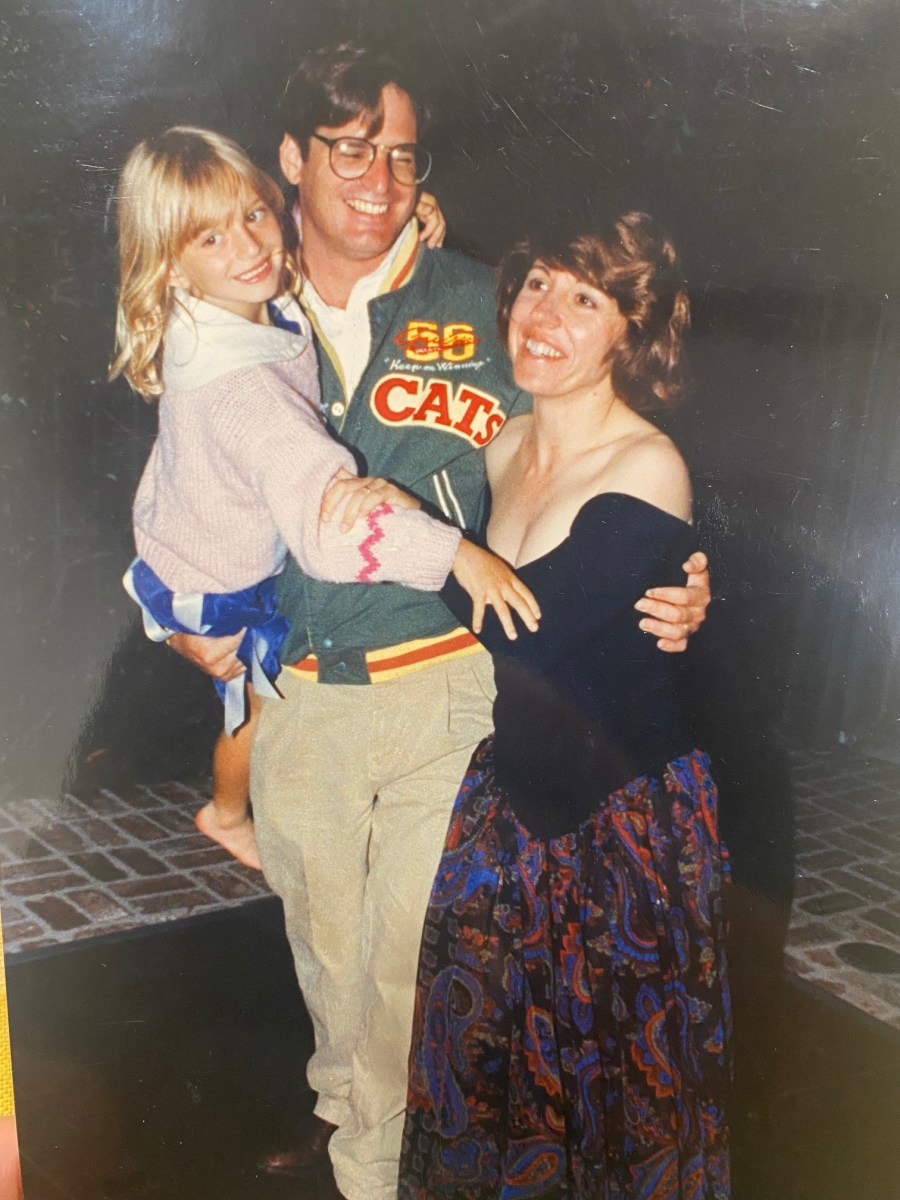
When Pierre-Bravo asked Tur about the violence, she emphasized their complicated dynamic growing up. “At the time, my dad was very fun and adventurous and charismatic and magnetic, I mean if you met my dad [at the time] you would fall in love with him immediately,” she said. “But as we had those really high highs, on a dime I knew they could become very low lows – and scary – and that violence was wrapped into it. I never knew when my dad was just going to explode with rage, and so it always felt like we were living on the edge of a knife.”
That led Tur to leave California after college and start her life as a journalist on the East Coast and abroad. Tur continued to maintain a relationship with her father – albeit rocky – but she said it was a phone call she received in 2013 that shook her to the core.
‘Can I still call you dad?’
“So, I’m in Boston covering the Boston Marathon bombings … it’s late at night, I’m eating my first hot meal,” Tur told Pierre-Bravo. “[My dad] called and asked if I’m sitting down and then says, ‘I’m not a he at all, I’m a she – I’m actually a woman – I’m transitioning,’ and I remember being completely and utterly shocked.”
For Tur, she had no playbook or guide for how to proceed emotionally. “We didn’t have ‘Orange is the New Black,’ Laverne Cox wasn’t a household name – this wasn’t part of the national conversation yet,” she recalled. “I remember being confused at the time and not knowing whether I should call my dad ‘Dad’ any longer … She said ‘yes, of course, I’m always going to be your dad,’ which made me feel a whole lot better, like I could start breathing again.” When Bob Tur transitioned to Zoey, she attributed much of her former anger and rage to the identity crisis, including previous childhood trauma of her own, according to her daughter. “My dad, in going through the transition wanted to bury Bob Tur … have that personality be erased,” Katy Tur said. “But Bob Tur was so much a part of my life that I felt if we wanted to move on and become something new, we’d have to confront it.” While Katy Tur admitted she is still largely estranged from her father, she expressed hope the she may one day break the cycle by normalizing the healing process. “No one is so amazing that they’re able to solve all of their own problems,” she told Pierre-Bravo. “Find an outlet, [don’t] bottle it up … The best way for me to do it was to get it down on the page, for someone else it’s talking to a therapist or their loved one or maybe it’s writing a diary that no one ever sees.” In her memoir, Tur also compared the dynamic she had with her father to the one she had with then-presidential candidate, Donald Trump. “My dad has a really big, boisterous personality, she can be in your face and test your boundaries,” Tur told Pierre-Bravo. “The same way that Donald Trump does that, where he is in your face to see how far he can take it and whether you’ll stand up to him.” When Tur started covering the Trump campaign in 2016, she said she inherently knew how to respond to his taunts but didn’t know how to articulate her familiarity with his behavior. “I remember not really understanding how I could talk about it to people back then, but I would get texts from my mom and everybody who knows my dad saying, ‘Oh my God, sometimes Trump sounds so much like your dad.’” Tur emphasized that her father did not advocate for or share the same political positions as Trump, but in comparing their personalities, she quipped: “They’re not the same, but as I write in the book, I would recommend the same therapist.”
Know Your Value staff Recommended


A familiar personality