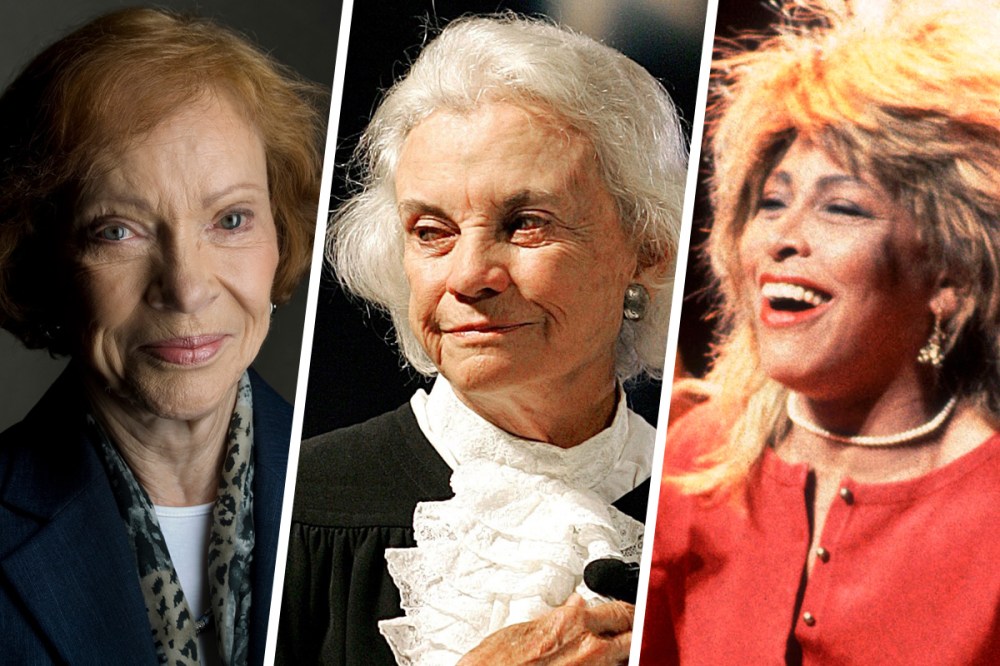
As the year draws to a close, we wanted to celebrate the lives and legacies of some of the influential, groundbreaking women we lost in 2023.

From former first lady Rosalynn Carter and Supreme Court Justice Sandra Day O’Connor, to musical icons Tina Turner and Sinead O’Connor — they fearlessly advocated for women’s rights and civil rights — rising to prominence in traditionally male-dominated industries.
Former first lady Rosalynn Carter, 96
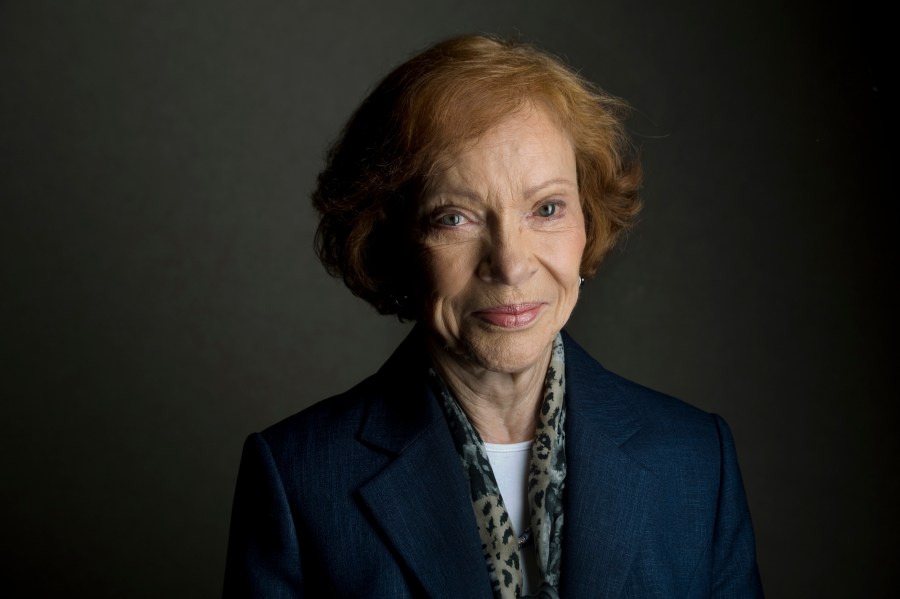
Rosalynn Carter — the former first lady who championed mental health care, among many social justice causes — passed away in November, leaving a legacy of impact second only to Eleanor Roosevelt.
Mrs. Carter provided steady counsel to her husband, former President Jimmy Carter, throughout his political career. She was widely regarded for her political shrewdness, drawing particular praise for her keen electoral instincts and the skillful way she connected with voters.
The former first lady became an active part of her husband’s administration, where she participated in Cabinet meetings, attended key briefings, spoke on behalf of the White House at ceremonial gatherings, served as an honorary member on a mental health commission, and traveled to Latin American nations as the president’s personal envoy.
Independently, she devoted herself to several social causes in the course of her public life, including programs that supported health care resources, human rights, social justice and the needs of elderly people.
In 1982, Jimmy and Rosalynn Carter founded the Carter Center, a nonprofit human rights organization forged in partnership with Emory University in Atlanta.
In 1987, she founded the Institute for Caregivers, building on her belief that “everyone is a caregiver now, has been a caregiver, or will either be or need a caregiver in the future,” according to the organization’s website.
In 1999, the two were awarded the Presidential Medal of Freedom by President Bill Clinton.
Upon her passing, President Carter said in a statement: “Rosalynn was my equal partner in everything I ever accomplished. She gave me wise guidance and encouragement when I needed it. As long as Rosalynn was in the world, I always knew somebody loved and supported me.”
U.S. Supreme Court Justice Sandra Day O’Connor, 93
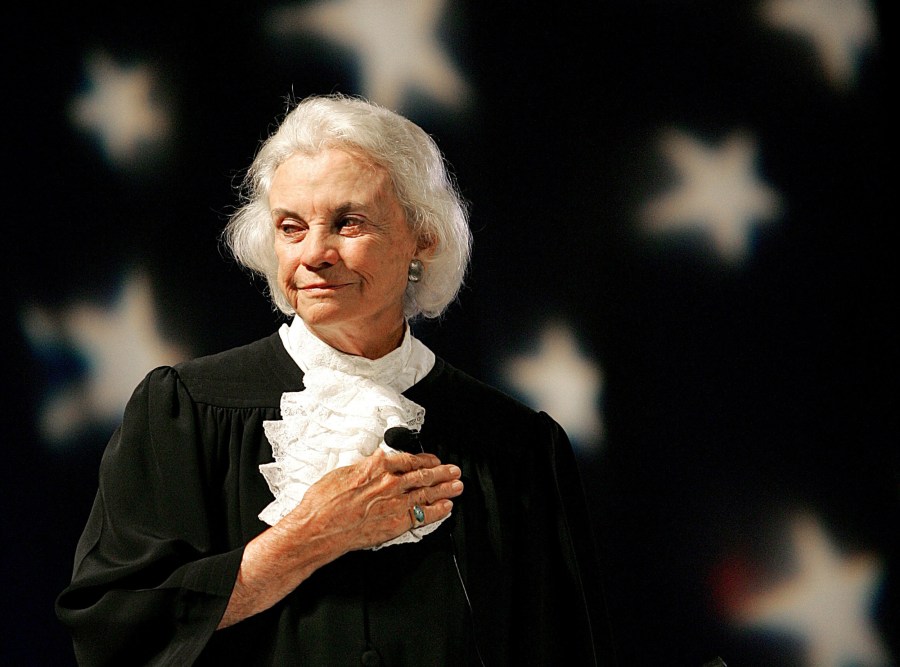
As the first woman on the U.S. Supreme Court, Sandra Day O’Connor left an indelible impact on gender equity, becoming one of the most powerful women in the country over the course of her 25 years on the bench.
Although she was appointed by President Ronald Reagan in 1981 as a conservative voice on the closely divided court, her pragmatic approach to legal decision-making often made her the undisputed swing vote on some of the most contentious cases, including abortion, voting rights and affirmative action.
She sided with the court’s conservatives in approving taxpayer-funded vouchers for students at religious schools, voting to end the 2000 Florida recount between George W. Bush and Al Gore, and advocating for states’ rights against federal control.
But she decided with the court’s liberals in affirming abortion rights, upholding affirmative action in college admissions, and approving the creation of more congressional districts with Black voters in the majority.
While Justice O’Connor never served as chief justice, she wielded such influence with her swing vote during a critical time that many informally referred to the court as the O’Connor court.
Sen. Dianne Feinstein, D-Calif., 90
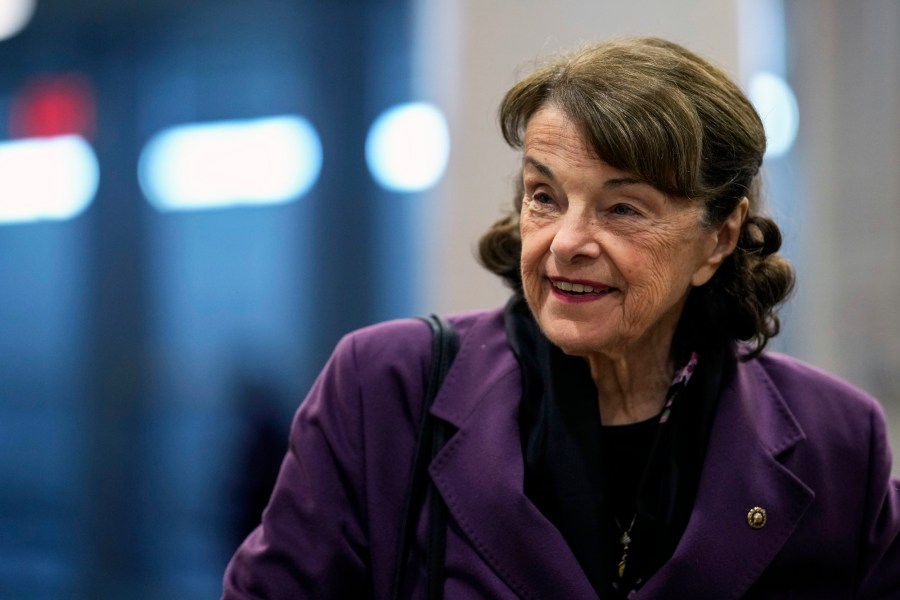
Sen. Dianne Feinstein — a centrist Democrat and the longest-serving female senator — spent her career championing liberal causes such as gun control measures, environmental protection, women’s rights, and finding common ground with Republicans, even if it meant drawing criticism from her own party at times.
A fierce advocate for gun control measures, Sen. Feinstein championed the assault weapons ban that then-President Bill Clinton signed into law in 1994, and pushed for restrictive laws since the ban’s expiration in 2004.
As the first woman to head the Senate Intelligence Committee, Feinstein led a multiyear review of the CIA’s detention and interrogation program developed after the Sept. 11, 2001, terrorist attacks, which led to legislation barring the use of those methods of torture.
She was also the first woman to serve as the Judiciary Committee’s top Democrat.
Before her election to the Senate in 1992, she established her political career in San Francisco and California in the wake of tragedy.
On Nov. 27, 1978, Feinstein, then-president of the San Francisco Board of Supervisors, became acting mayor following the assassinations of Mayor George Moscone and city Supervisor Harvey Milk, the first gay elected official in California.
She later became the first woman elected mayor of San Francisco, leading the city through a period of major turbulence.
Former Rep. Pat Schroeder, D-Colo., 82
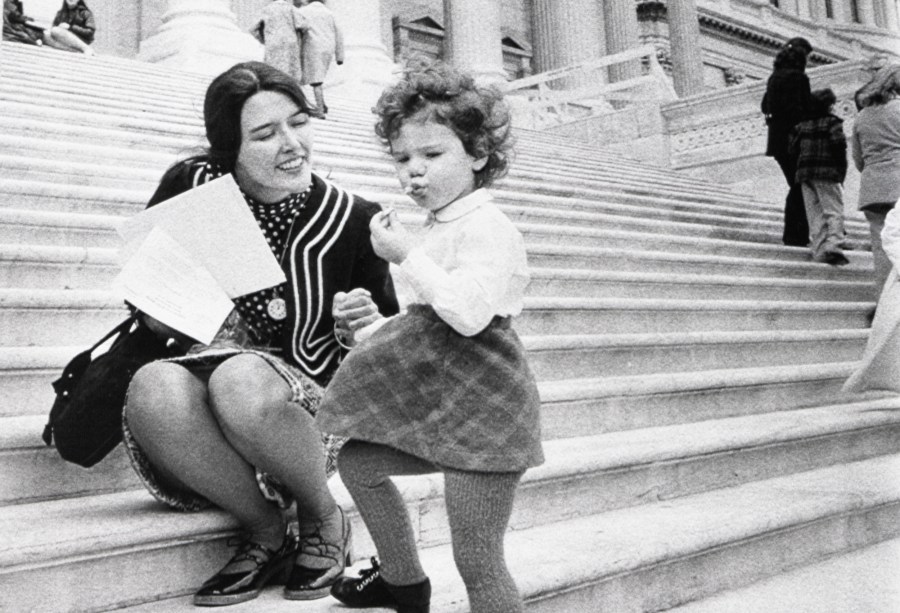
A pioneer for women’s and family rights, Colorado Democrat Pat Schroeder became the state’s first female member of Congress in 1972.
She stood up to the powerful elite with her biting wit and antics for 24 years, shaking up outdated government institutions by forcing them to acknowledge that women had a role in government.
Schroeder helped forge several Democratic majorities before bowing out of office in 1997.
As a parting shot, she wrote a book in 1998 titled, “24 Years of Housework … and the Place is Still a Mess. My Life in Politics,″ which chronicled her frustration with male domination and the slow pace of change in federal institutions.
Schroeder also ran unsuccessfully for the 1988 Democratic presidential nomination.
She would go on to become the first woman on the House Armed Services Committee but was forced to share a chair with U.S. Rep. Ron Dellums, D-Calif., the first African American, when committee chairman F. Edward Hebert, D-La., organized the panel.
Schroeder secured a resounding victory at the signing of a family-leave bill in 1993, providing job protection for care of a newborn, a sick child or a parent.
“Pat Schroeder blazed the trail. Every woman in this house is walking in her footsteps,” said Rep. Nita Lowey, D-N.Y., who took over from Schroeder as Democratic chair of the bipartisan congressional caucus on women’s issues.
Judy Heumann, 75
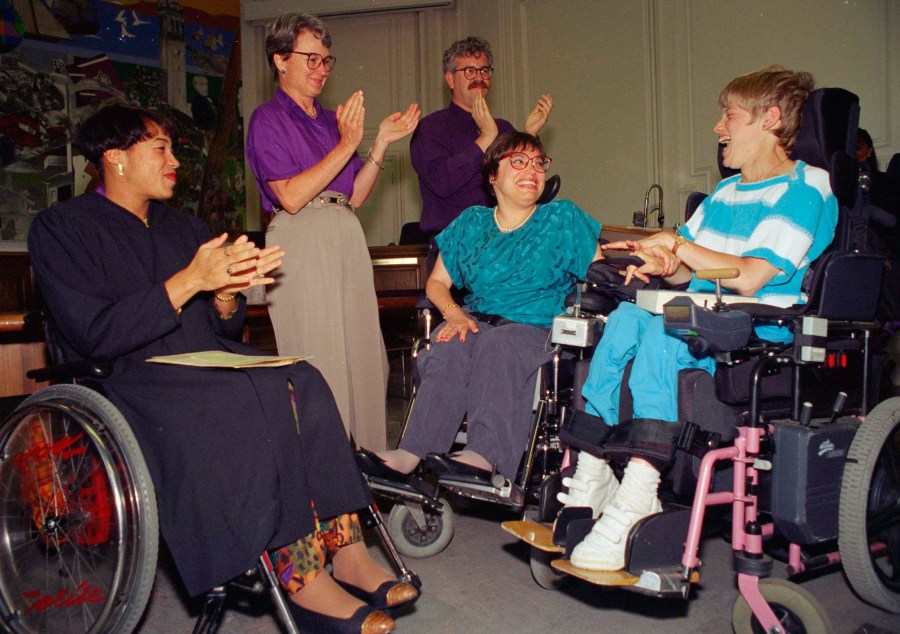
Judy Heumann has been called the “mother of the disability rights movement” for her lifelong advocacy on behalf of disabled people through protests and legal action, according to her website.
After contracting polio as a baby, she spent several months in an iron lung and lost her ability to walk by age 2. She would go on to spend the rest of her life fighting for access for herself and for others.
When the Brooklyn native graduated college in 1969, she was denied a teaching license by New York City’s Board of Education, who alleged her wheelchair was declared a fire hazard. Heumann sued the board and won.
In 1977, when the first federal civil rights legislation for disabled people stalled in Congress, Heumann led a landmark 26-day-long sit-in. The protest marked the longest non-violent occupation of a U.S. federal building in history, paving the way for the passage of the Americans With Disabilities Act in 1990.
She lobbied for legislation that led to the federal Individuals with Disabilities Education Act and the Rehabilitation Act. She served as the assistant secretary of the U.S. Office of Special Education and Rehabilitation Services, beginning in 1993 in the Clinton administration, until 2001.
Heumann was also involved in passage of the United Nations Convention on the Rights of Persons with Disabilities, which was ratified in May 2008.
New Jersey Lt. Gov. Sheila Oliver, 71
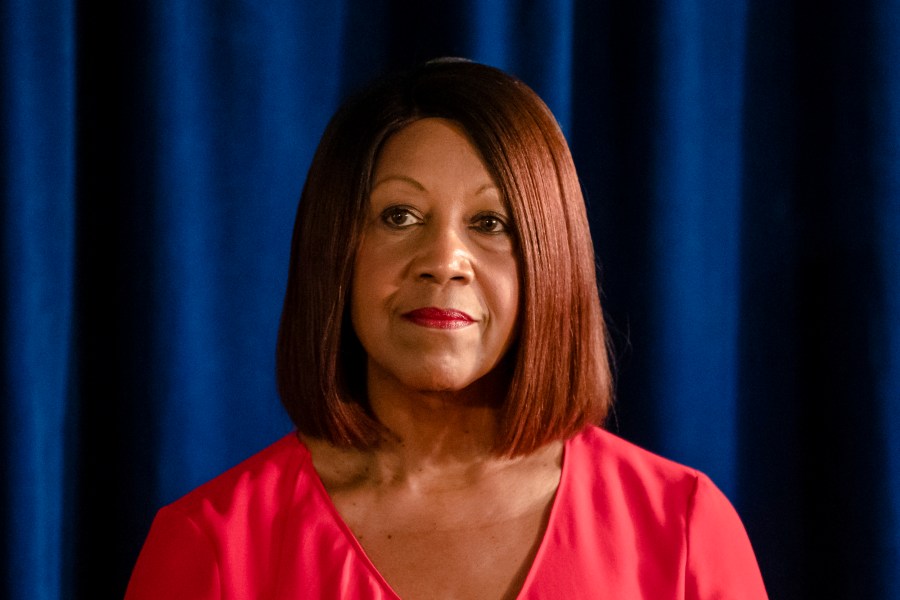
New Jersey Lt. Gov. Sheila Oliver rose to prominence as a leading Black voice and advocate for revitalizing cities and ending gun violence in her state.
She was the first Black woman to hold a statewide elected office, winning the vote alongside New Jersey Gov. Phil Murphy in 2017 and again in 2021.
Oliver also made history in 2010 when she became the first Black woman to lead the state General Assembly.
During her time as lieutenant governor, she oversaw the Department of Community Affairs, where she led efforts to expand initiatives for affordable housing and local government services.
Oliver served in the state Assembly since 2004 and was on the Essex County board of chosen freeholders from 1996 to 1999
“She brought a unique and invaluable perspective to our public policy discourse and served as an inspiration to millions of women and girls everywhere, especially young women of color,” Gov. Murphy said in a statement upon he passing in August.
Gloria Molina, 74
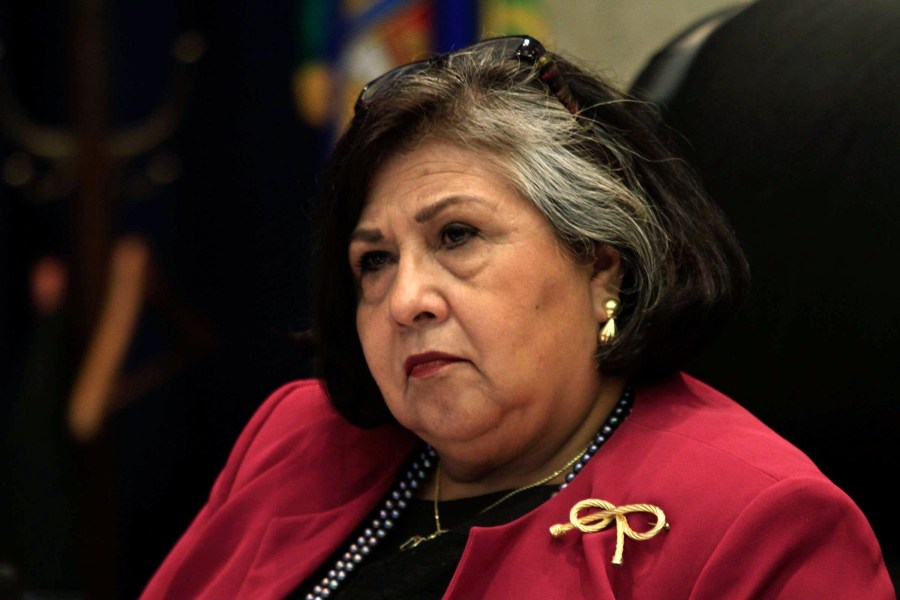
Gloria Molina was born into a traditional Mexican-American household with the singular expectation that she would marry and have children.
Instead, she defied the cultural norm and entrenched herself in the Chicano Movement that swept across Southern California in the late ’60s and early ’70s. Molina became an activist, rising from community organizer to working in Washington, D.C., during the Carter administration.
She went on to transform the political landscape of Los Angeles as the first Latina elected to the California State Assembly in 1982, the first Latina on the Los Angeles City Council in 1987, and the first Latina on the L.A. County Board of Supervisors in 1991.
Known for her outspokenness and tenacity, she often took on entrenched power structures. After her death, The New York Times lauded her as “one of the leading Latina politicians in California and the country.”
Tina Turner, 83
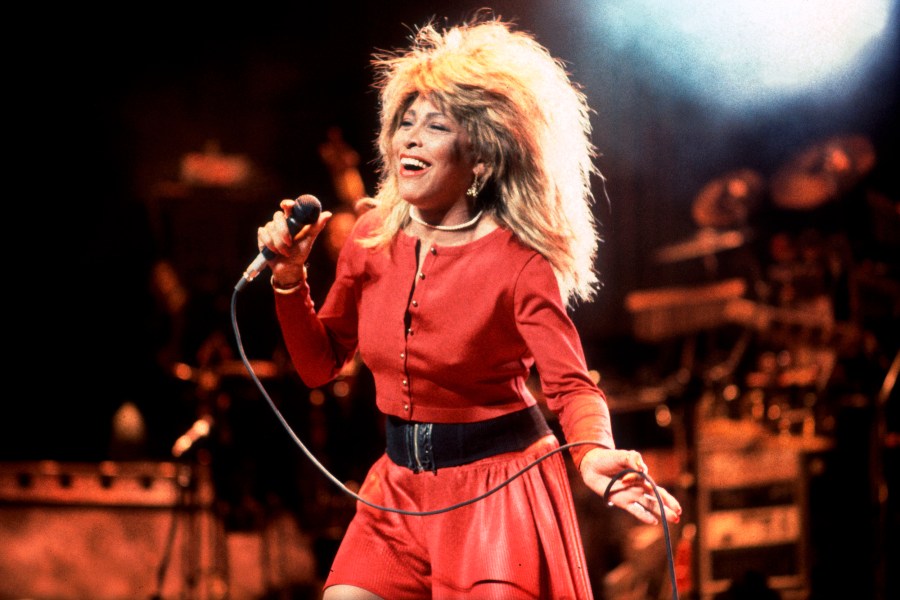
Tina Turner, the trailblazing ‘Queen of Rock ‘n’ Roll’ who dazzled audiences with her electrifying performances, established herself as one of the most popular Black female solo artists the world has ever known.
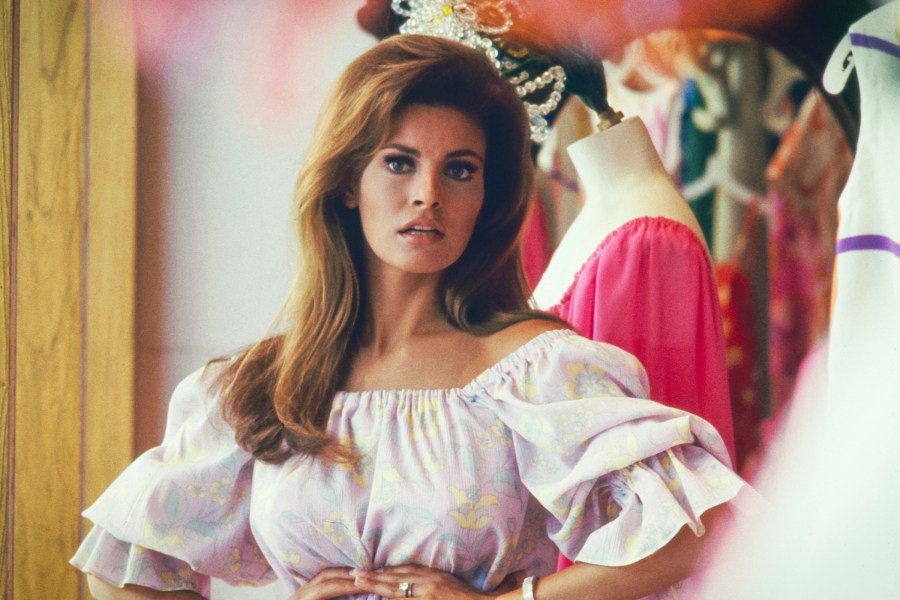
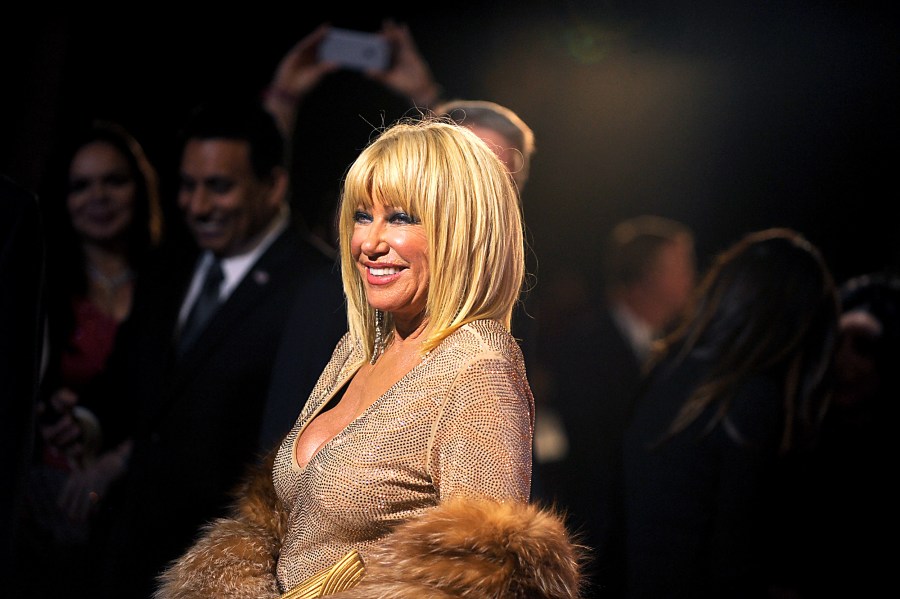
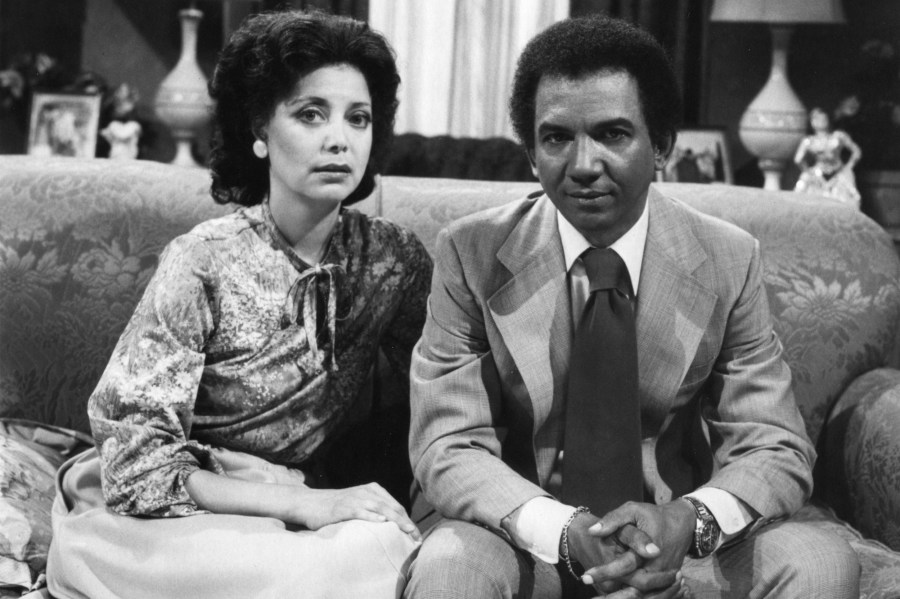
Born Anna Mae Bullock, she came from humble roots in rural Tennessee and ascended to national stardom in the 1960s as the star of the sensational R&B ensemble, The Ike and Tina Turner Revue. She was the first woman and the first Black artist to appear on the cover of Rolling Stone — in just its second issue — and her massively successful solo career broke barriers for future generations of Black women in music. But during her marriage to Ike Turner, she alleged he subjected her to years of horrific physical abuse. In the late 1970s, she extricated herself from the marriage and pulled off one of the most triumphant comebacks in modern rock music, reinventing herself as an independent hit-maker with chart-topping songs like, “What’s Love Got to Do With It” and “The Best.” Turner earned eight competitive Grammy Awards, three Grammy Hall of Fame prizes and a Grammy Lifetime Achievement trophy. She was a two-time inductee into the Rock & Roll Hall of Fame — first with Ike Turner (1991), then as a solo artist (2021). Sinéad O’Connor, the powerful Irish singer-songwriter who shot to stardom in her mid-20s was known as much for her fierce, expressive music as she was for her frequent brushes with controversy, including her 1991 boycott of the Grammys. O’Connor received international acclaim in 1990 for her cover of “Nothing Compares 2 U,” a song originally written and performed by the late musician Prince, and Billboard named it the No. 1 song in the world that year. Throughout her career, she released 10 studio albums, including, “Am I Not Your Girl?” in 1992 and “Throw Down Your Arms” in 2005. She received eight Grammy nominations and a win in 1991 for Best Alternative Music Album for “I Do Not Want What I Haven’t Got.” O’Connor spoke openly about her personal struggles with mental health and abuse, advocating for mental health causes through her life. In 1992, she famously sparked controversy when she appeared as a musical guest on “Saturday Night Live” and tore a photo of Pope John Paul II into pieces during the recording to protest against child sex abuse in the Catholic Church. The move derailed her career, but she later found it to be “a blessing,” grounding her back to the music and issues she cherished. “Everyone wants a pop star, see?” she wrote in her 2021 memoir, “Rememberings.” “But I am a protest singer. I just had stuff to get off my chest. I had no desire for fame.” Many remember Suzanne Somers as the actress who played Chrissy Snow on the 1970s sitcom “Three’s Company.” The show proved a critical success for ABC, but after four seasons Somers asked for a raise from $30,000 an episode to $150,000, plus 10 percent of the show’s profits, so that she’d earn as much as her male costar, John Ritter. Instead, she was fired in 1981 and replaced with two different roommates for the remaining years that the show aired. Despite the setback, Somers leveraged the break as a chance to snag parts on other sitcoms, like “Step by Step” and “She’s the Sheriff.” She pursued a Las Vegas act, hosted talk shows — including on Lifetime — and became an entrepreneur. In the 1990s, she was chosen as spokesperson for the ThighMaster. She endorsed health and beauty products, and wrote nearly two dozen books on topics including aging, menopause, beauty, wellness, sex and cancer. In 1968, Ellen Holly broke gender and racial barriers as a stage and screen actor when she became the first Black star of a daytime television series with her role as Carla Gray in ABC’s soap opera “One Life to Live.” Holly stayed with the long-running series through 1980, before returning from 1983 to 1985. Producer Agnes Nixon cast Holly in the role after reading the actor’s New York Times opinion piece, “How Black Do You Have To Be,” in which Holly recounted her personal difficulties in finding acting work as a light-skinned Black woman. In her 1996 autobiography, “One Life: The Autobiography of an African American Actress,” Holly recounted how her and her Black co-stars were underpaid and mistreated by executives while working on “One Life to Live.” After “One Life to Live” concluded, Holly continued to work, with roles on “The Guiding Light,” “In the Heat of the Night,” “10,000 Black Men Named George” and Spike Lee’s “School Daze.” In the 1990s, she became a librarian at White Plains Public Library. While Lisa Marie Presley — the only child of rock icon Elvis Presley — lost her father at the age of 9, his profound influence in American music shaped the course of her life. She established herself as a musician in her own right when she released her debut album in 2003, “To Whom It May Concern,” on which she wrote or co-wrote every song. The album reached No. 5 on the Billboard 200 chart and would later become certified gold. Her second album “Now What” released in 2005, also debuted in the top 10 on the Billboard 200 albums chart. In 2018, she co-produced an album dedicated to Elvis’s love of gospel music, where she sang along with a recording of him on one of the songs. The star of “One Million Years B.C.” and “The Three Musketeers” was born Jo-Raquel Tejada, as her father was of Bolivian heritage. Resisting studio demands that she change her name to Debbie, she achieved international fame at a time when “Hispanic” and “Latino” were unknown constructs, according to NBC Latino. Despite her bombshell image, Welch played roles as varied as a transgender woman (“Myra Breckinridge”), a victim of ALS (“Right to Die”) and a TV journalist (Broadway’s “Woman of the Year”). Off-screen, she set a precedent for workers’ rights when she sued MGM for replacing her in a film with a younger actor. She won a $10 million verdict in 1986 in a legal victory against sexism and ageism. By the early 2000s, Welch reclaimed her heritage, telling the National Press Club: “Latinos are here to stay. As citizen Raquel, I’m proud to be Latina.” That sparked a career renaissance, with roles in Latino-themed projects like “American Family” and “How to Be a Latin Lover.” “She went through a lot of stages in her career,” author Luis I. Reyes said. “She really represented the Latino fusion of contributions to American culture and the complexity of the Latino experience.”
KYV Editorial Staff Recommended


Sinéad O’Connor, 56

Suzanne Somers, 76
Ellen Holly, 92
Lisa Marie Presley, 54

Raquel Welsh, 82