








Americans are suffering mentally and emotionally because of this awful global pandemic. It’s okay to not be okay these days. You aren’t alone.
COVID-19 has felt impossible. And its deleterious effects aren’t going away. Even when there is a vaccine and this plague is in our rearview mirror, the psychological impact of this pandemic will leave lasting scars.
We’ve already seen increases in depression, anxiety, illegal substance use and thoughts about suicide. It’s understandable. Many of us have lost a family member or friend to COVID-19. Tens of millions of Americans are out of work. Those who are holding onto their jobs feel a great deal of uncertainty about the future. Some have lost everything. Many of our kids aren’t physically in school. All of it is jarring to the soul.
That’s why this week at Know Your Value, we’re focusing on mental health and you. Every single one of you. We’re looking at how minorities have been impacted and treated differently. We’re looking at the unique obstacles young people are facing. We’re looking at why we need to watch out for our men. We’re talking about concrete ways you can stay mentally strong during such a turbulent time. And much, much more.

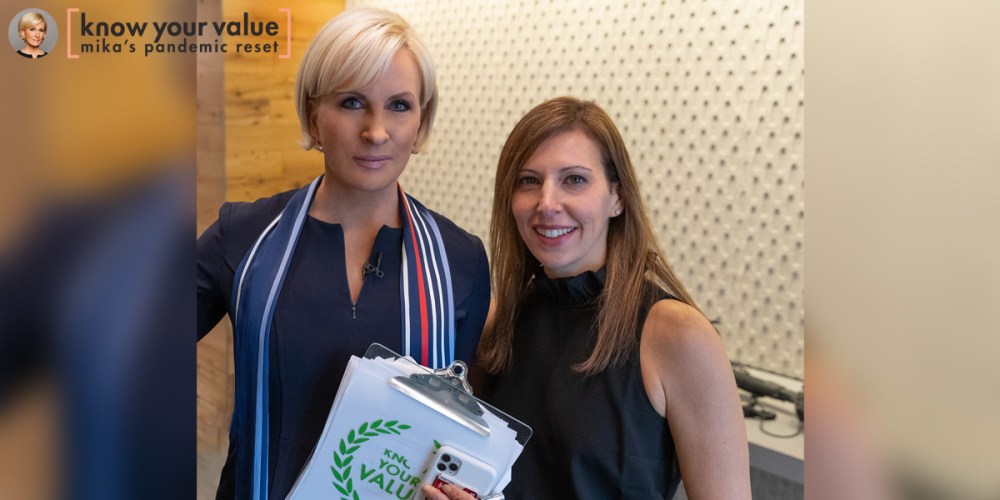
I recently spoke to Dr. Gillian Galen, a clinical psychologist at McLean Hospital in Belmont, Mass., about her biggest concerns, especially with reports that there may not be enough therapists and mental health services to meet the current demand as a result of COVID-19.
“My biggest fear are the rates of completed suicide,” Dr. Galen told me. “I’m very, very worried about that. And I’m worried about how we’re going to find the balance between doing all that we need to do to protect people from COVID-19 and their mental health … It’s the isolation that people are being asked to do in order to stay healthy. It’s the remote school keeping people from work and keeping kids from doing the things that are developmentally appropriate…I worry about isolation a lot.”
I also asked Dr. Galen how to distinguish between the coronavirus blues, which are inevitable, and clinical depression. She suggested asking yourself the following questions. If you’re answering yes, she advised reaching out for professional help. And it goes without saying, that if you have suicidal thoughts, you should seek help immediately.
-Have I stopped talking to people in my life that I care about?
-Do I no longer get up, get dressed and take care of myself in the way that I used to?
-Am I overwhelmed with tasks I used to be able to do very easily, like making a doctor’s appointment?
-Am I avoiding doing things or talking to the people in my life?
-Am I sleeping significantly more or less than usual?
-Have my eating habits changed?
-Have I given up things like exercise or activities that I used to regularly used to do? Again, if you’re answering yes to a lot of these questions, you should seek help. I also wanted to know, given the financial crunch so many are feeling, what do you do if you feel isolated, you feel like you need serious help but you also don’t have enough money. Dr. Galen suggested mental health hotlines and also calling your local government or the non-emergency police station to get additional local resources. “Also, think about one person in your life that can help you navigate this because often it’s too hard when people are really stuck,” she said. “Sometimes their energy to solve this problem is so low. See if you can reach out to one person in your life. It could be a friend, family member or old coworker. Ask them to think about ways they can get you help.” We are ALL carrying so much stress and anxiety. It’s something I’m learning to deal with as well. Everyone is feeling pain right now. And it’s coming out in many different forms. Dr. Galen said it’s important we approach people with compassion during this turbulent time. “Everybody is on edge,” she said. “Whether it’s their job, mood, kids, remote learning, figuring out how to juggle everything… We should approach people as if they’re doing the best they can, and know that everybody is under very extreme levels of stress … We have to be gentle. We have to find compassion in people’s behavior, even if their behavior is not very good. We don’t have to excuse it, but we have to realize they’re struggling, they’re suffering and do our best to not get caught in it.” Those are words I’m going to live by.
Mika Brzezinski is the co-host of MS NOW's Morning Joe, founder of “Know Your Value” and author of four best-selling books, including “EARN IT!: Know Your Value and Grow Your Career, in Your 20s and Beyond” (Hachette Books; May 7, 2019) with co-author Daniela Pierre-Bravo. Prior to joining MSNBC in 2007, Mika was an anchor of CBS Evening News Weekend Edition and a CBS News correspondent who frequently contributed to CBS Sunday Morning and 60 Minutes. Recommended


