









The thing about entrepreneurship is that it’s great training for dealing with the feeling of being punched in the gut, then stepped on as you’re writhing on the floor. So, while nothing could have fully prepared us for COVID-19, we did have a few pangs of déjà vu when we were thrown into that “oh &#*% what are we going to do now?” moment.
From the two coastal epicenters of this pandemic, Seattle and New York, we’ve been on the phone constantly, leaning on each other to navigate our separate companies through this storm. The pandemic has forced us to come up with a multi-stage strategy that works for us, so we thought we’d share it with you. Here’s how it goes:
RELATED: On air and at home: How NBCU moms are juggling work, family while covering coronavirus
1. Call someone
2. Say your worst fear out loud
3. Grieve what is lost
4. Do what you can
5. Break it down into a unit of time you can digest
6. Repeat
1. Call someone
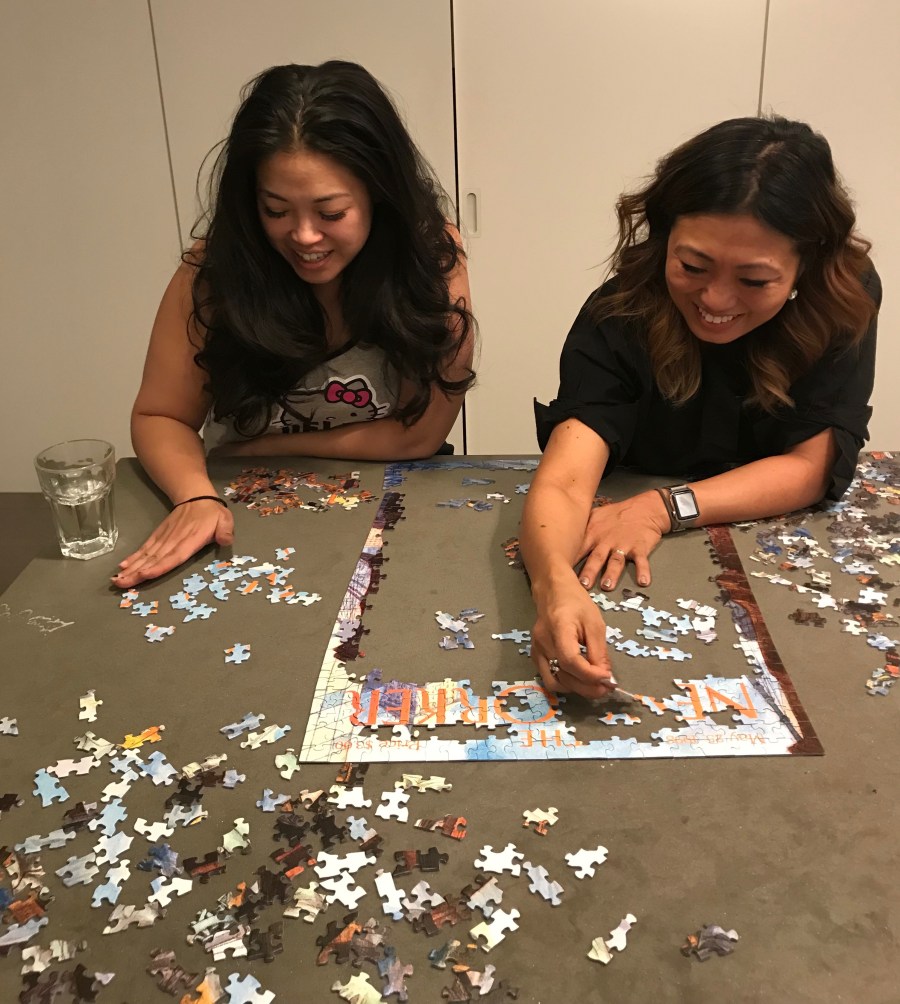
Lisa: I call Jane my “bat phone.” In my worst, most bewildering moments in growing my company Gravitas, I started calling Jane because I just didn’t know what else to do. Jane is real. She’s an entrepreneur and knows the drill. More importantly, she’s open about the challenges she’s faced, so she always finds a way to share: “Me too – that has happened to me five times.” I find this so much more helpful than, “don’t worry,” or “it’s all going to be better tomorrow.”
RELATED: Author Minda Harts: 3 ways to promote a virtual work culture that prioritizes inclusivity
There’s a reason that “me too” is such a powerful phrase. It casts out lifesavers of empathy, so I don’t drown. Our advice is simple: When you’re feeling like the world is crashing in on you, the answer can’t be found on your own. Call someone who can say, “That stinks, I understand.” Even better if it’s someone who can say, “Yes that stinks, and it happened to me. As bestselling author and researcher Brené Brown has taught us, shame can’t survive the light of connection.
2. Say your fears out loud
Jane: I love the way the Pearsons share their “worst case scenarios” in rapid fire on the hit TV show “This is Us.” We did this for each other just the other night, when we were tired and frustrated and frayed. We both said out loud the deepest darkest fear that was eating us up the most, which for both of us turned out to be the same thing – the fear of not being able to keep paying our small but mighty teams.
RELATED: How to maximize your time spent working from home
Somehow, as the words come out of your mouth, the fear gets right-sized. You can’t just think it or allude to it, by the way. It turns out that the mouth is a bunch of nerves and muscle that is connected to the brain. It only helps if the words are actually said and shared. (In a pinch, writing can help too – typing with your hands and then pressing “send” to another human being). Holding your worst fear outside your body is critical to creating a strategy to overcome it. We’ve learned over the years that you can’t fight what’s inside you. This is also an effective strategy for therapy.

3. Grieve what is lost
Jane: The thing about change is that it always carries a farewell to something you are leaving behind, whether the future state is wonderful and exciting (like a new job, or a new round of financing), or painful and unwanted (like COVID-19). I believe that we have to create space for each other to grieve what is being lost.
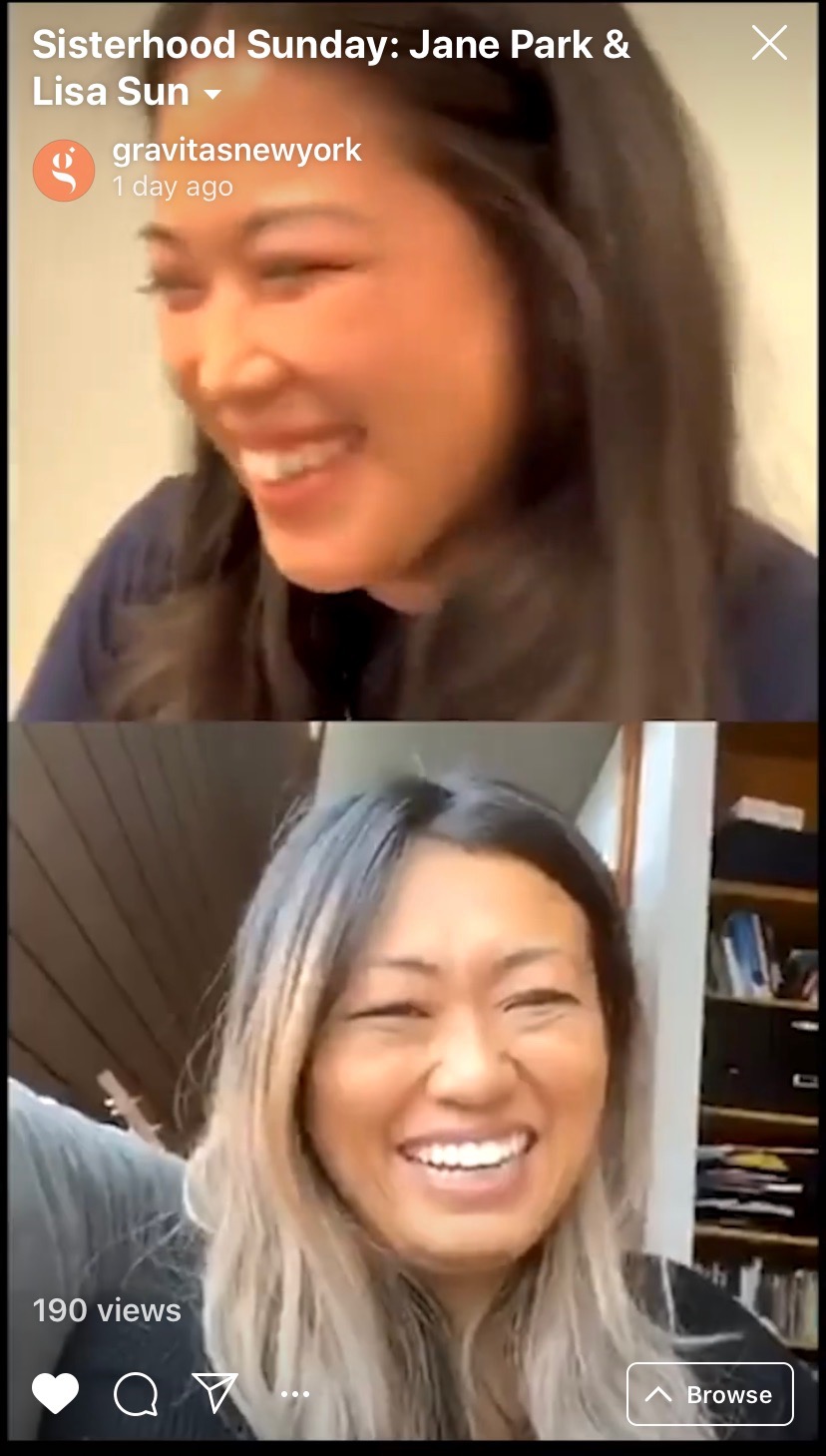
RELATED: Gender economist Katica Roy: Want to be a CEO? Don’t let this No. 1 factor hold you back The anxiety we are all feeling these days has its roots in grief. We know that our world isn’t going to just go back to the way it was before. There are parts of our pre-COVID-19 world that are likely lost forever, like the ability to take being in an office together for granted. Or in Lisa’s case, just assuming you can fly to Denver at a moment’s notice to surprise your boyfriend. We will be in offices together and we will fly again, we know, but like 9/11 changed air travel, COVID-19 is going to reshape our world. We’ve been thoughtful about gently supporting each other to build for the new future, instead of being angry that we can’t have the world the way it was anymore. But in order to get through the anger, denial and frustration, we have to give each other the space to grieve. Find someone who will say to you, “I know. That’s sad.” And then find someone you can say that to in return. 4. Do what you can Jane: I love that Lisa always says, “We have to do something. We can’t just do nothing.” We’ve had a lot of conversations about this recently. We both have a strong bias to action, that’s why we’re entrepreneurs. I’ve been guilty in the past of meeting challenges by doubling down on a frenetic pace of activity that doesn’t really move the dial in the end. So I worry about that, and I’ve shared this with Lisa. But what she’s taught me is the power of doing what we can for as long as we can. It’s our new mantra. For example, Lisa called me last week with the idea to take the fabric we bought for spring and summer production of our Tokki cloth gift wrap and turn it into face masks, which were just recommended by the CDC. She had access to design and sewing resources (all practicing social distancing from home), and I had access to 100 percent cotton in beautiful patterns. We pulled together to create the first 25 for a girlfriend who asked for our help because she couldn’t find fabric masks elsewhere. Then I stopped and asked Lisa, “What are we doing here?” And she said, “We are doing something because something is better than nothing.” My addendum to the “do something” rule is that when you are doing your best, you start seeing other people as also doing their best. And that’s the easiest way out of anger and annoyance. “What if we’re all just doing our best” are the most soothing words in the English language. 5. Break it down into a unit of time you can digest Lisa: Forever is not a useful unit of time in the business world. Trying to predict what will happen in the future can drive you crazy. Jane and I talk about the broader context, but right now we’re really focused on the next two weeks. That’s actually how I started my business – I broke this mountain of work into 2-week milestones. After a few months, I looked back and I had company. When everything changes so quickly, it’s helpful to engage in a unit of time that you can wrap your mind around and make some real progress. We’re trying to find projects to help each other stay afloat and to shine a light on other women-run businesses too. So in the midst of all this craziness, I talked Jane into starting “Sisterhood Sundays” on Instagram Live with me, so we can share more broadly the conversations we are having between the two of us. My business partner in China, Nancy, said to me that someday, maybe 10 years from now, we’ll be able to look back at this time and remember how we lived our values and did everything in our power to help others. 6. Repeat Lisa + Jane: The anxiety of this unprecedented moment in history hits in waves, over and over again, sometimes when you least expect it. Even if you’re lucky enough to have someone to travel with through steps one to five, it’s not a one-shot deal. This whole process will have to be repeated, weekly, daily, sometimes several times a day or several times an hour. A lot of women entrepreneurs find it hard to ask for help. We’re taught to strive for perfection, so it’s hard to admit to all the cracks that we’re all seeing run right through the heart of our businesses. We wanted to write this article to share how important it is to lean on each other. Like the pandemic itself, no one person can solve this problem. We can only survive by working together (in a safe, socially distanced way). Lisa Sun is the CEO & Founder of Gravitas (@gravitasnewyork), maker of confidence-catalyzing, inclusive fashion, and Jane Park is the CEO & Founder of Tokki (@tokkigfiting), maker of sustainable and memorable gifting solutions. Want to hear more from them? They co-host “Sisterhood Sundays” on IG live on Sundays at 8 p.m. ET, 5 p.m. PT.
Jane Park
Lisa Sun Recommended


