








From questioning our career choices to talking ourselves into dating someone to simply thinking twice about wearing those shoes, every young woman can relate to the constant mental back and forth that plays out in so much of our daily decision-making. To our own exhaustion, no matter how small that decision is, we tend to contrive dozens of potential outcomes. Comedian Iliza Shlesinger has a term for this: “girl logic.”
Iliza, 34, has turned the concept of “girl logic” into a book with that very title, focusing on how many women seize on every detail – both at work and in their personal lives – that men oftentimes don’t even notice. But she argues the complex and sometimes contradictory way we make choices can often give women an edge in a male-dominated world.
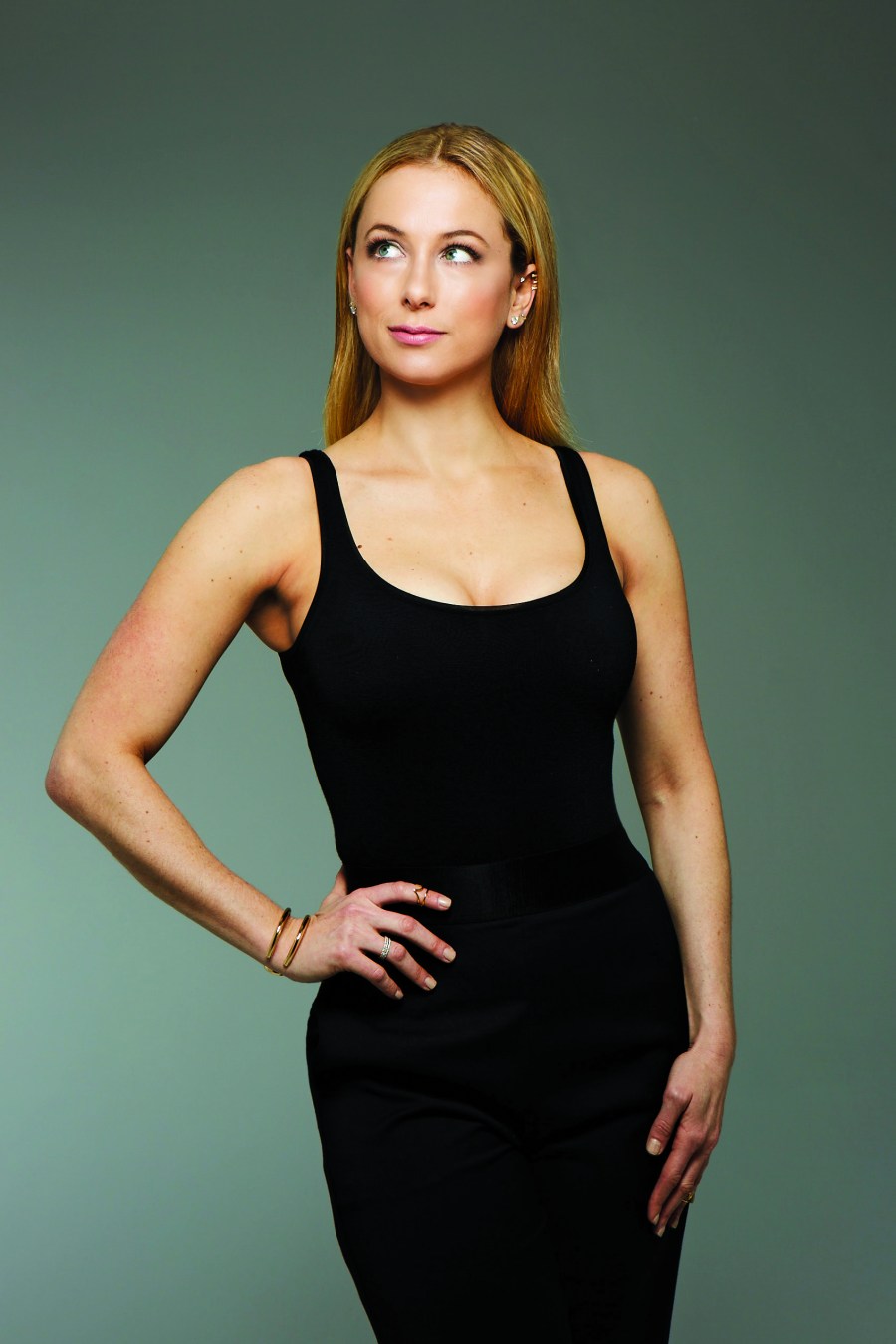
The youngest person and only woman to win NBC’s Last Comic Standing, Iliza captures millennial women’s thought processes as she explores our oftentimes flawed fixation on having it all, including the perfect partner, job and body.
I recently spoke to Iliza about finding confidence and managing your inner-critic. Here’s what she said:
Girl Logic Lesson # 1: You are your own worst critic
Having so-called “girl logic” means we are able to think from another person’s perspective, argues Iliza. On the flipside, that makes it easier for us to be self-critical.
According to Iliza, it’s important to remember that not everyone is judging you as much as you think. “If you walk [into a room of people] and you’re insecure about your dress, you eventually realize nobody really cares. And you probably look better than you think. We’re so hard on ourselves and there’s a freedom in realizing that we’re our toughest critics,” she told me.
“At the end of the day, all there is is making yourself happy,” she added.
Girl Logic Lesson # 2: You won’t win over everyone
“We’re constantly taking in so much stimuli from our society… Be thick, but be thin. Be sexy, but don’t put it too much out there,” Iliza said. She believes this constant, contradictory messaging from society can take a toll on women’s confidence.
As she writes in her book, “when you can analyze situations and figure out what’s best for you, based on you and not some preconceived notion of what society expects, then nothing is a threat.”
In other words, you can’t win over everyone and it’s useless to try. Iliza encouraged young women to shed other people’s expectations and instead think, “Look, this is me, and if that upsets you then that’s your own insecurity.” Girl Logic Lesson # 3: Feeling entitled is a good thing Contrary to popular belief, Iliza argued there’s some value in feeling entitled. lliza has faced criticism amid her early success. “People love to give a hot take, especially when a woman is succeeding… And oftentimes, they have no idea what went behind that. But as long as you are rooted in confidence and you produce, then it doesn’t matter. It doesn’t matter how you appear because people will love your product.” Iliza noted that feeling entitled has actually helped her career. “If you think you’re good enough, then you find it preposterous when somebody doesn’t acknowledge that…That’s propelled me in many ways — maybe thinking I deserve things that I don’t at some time. But I’m always willing to put in the work. And knowing that no matter who you are, you will never be the best in the room. But you won’t be the worst in the room. There’s a freedom in moving within the middle of that.” Daniela Pierre-Bravo is Know Your Value’s millennial contributor. Read more about her here.
Daniela Pierre-Bravo
Daniela Pierre-Bravo is a journalist and author and founder of Acceso Community. She is a co-author of “Earn It” with Mika Brzezinski. Her solo book, “’The Other: How to Own Your Power at Work as a Woman of Color,” is out now. Follow her on X and Instagram @dpierrebravo. Recommended


