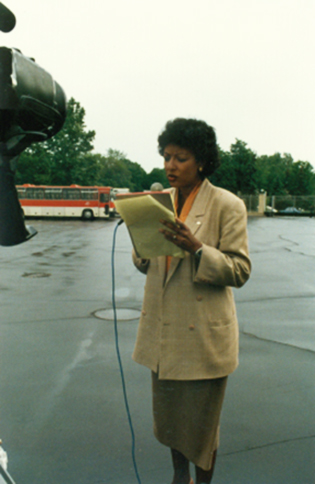
When Bonita Stewart became the first African American woman to secure a VP role at Google (Global Partnerships) in 2011, she was well-versed in what it meant to be an only at work. So did Jacqueline Adams, who was the first African American woman to formally cover the White House for CBS News during the Ronald Reagan and George H.W. Bush administrations.

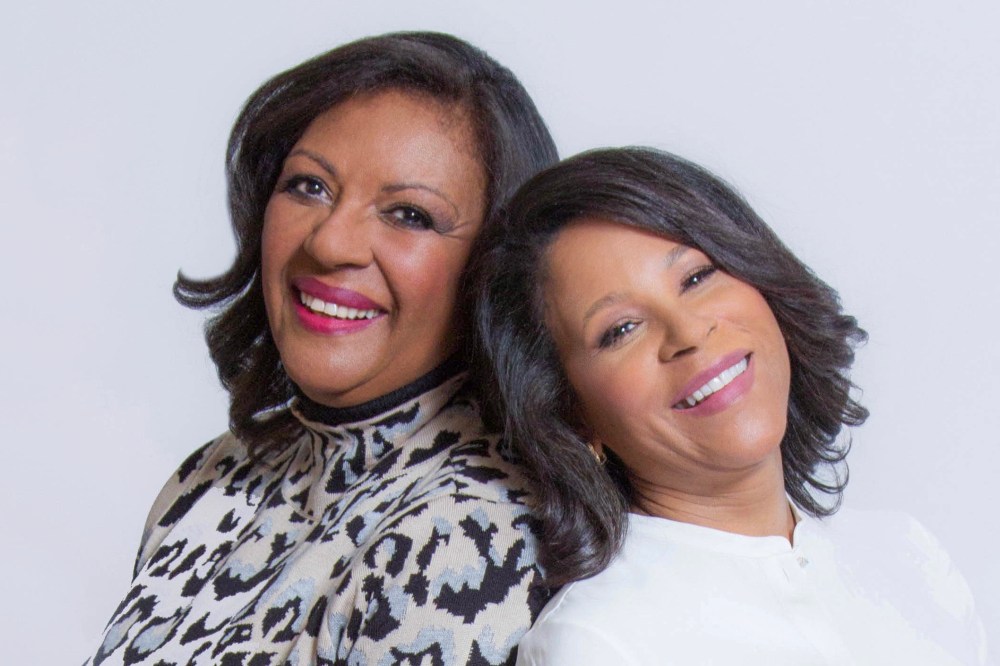
These two industry trailblazers see that designation not as a disadvantage, but an opportunity to lead creatively and bring others up with them. They call themselves “unicorns”: rare and valuable beings in their respective businesses. And they want other women of color to recognize their value in the workplace, which is why they joined forces to publish their new book, “A Blessing: Women of Color Teaming Up to Lead, Empower and Thrive.”
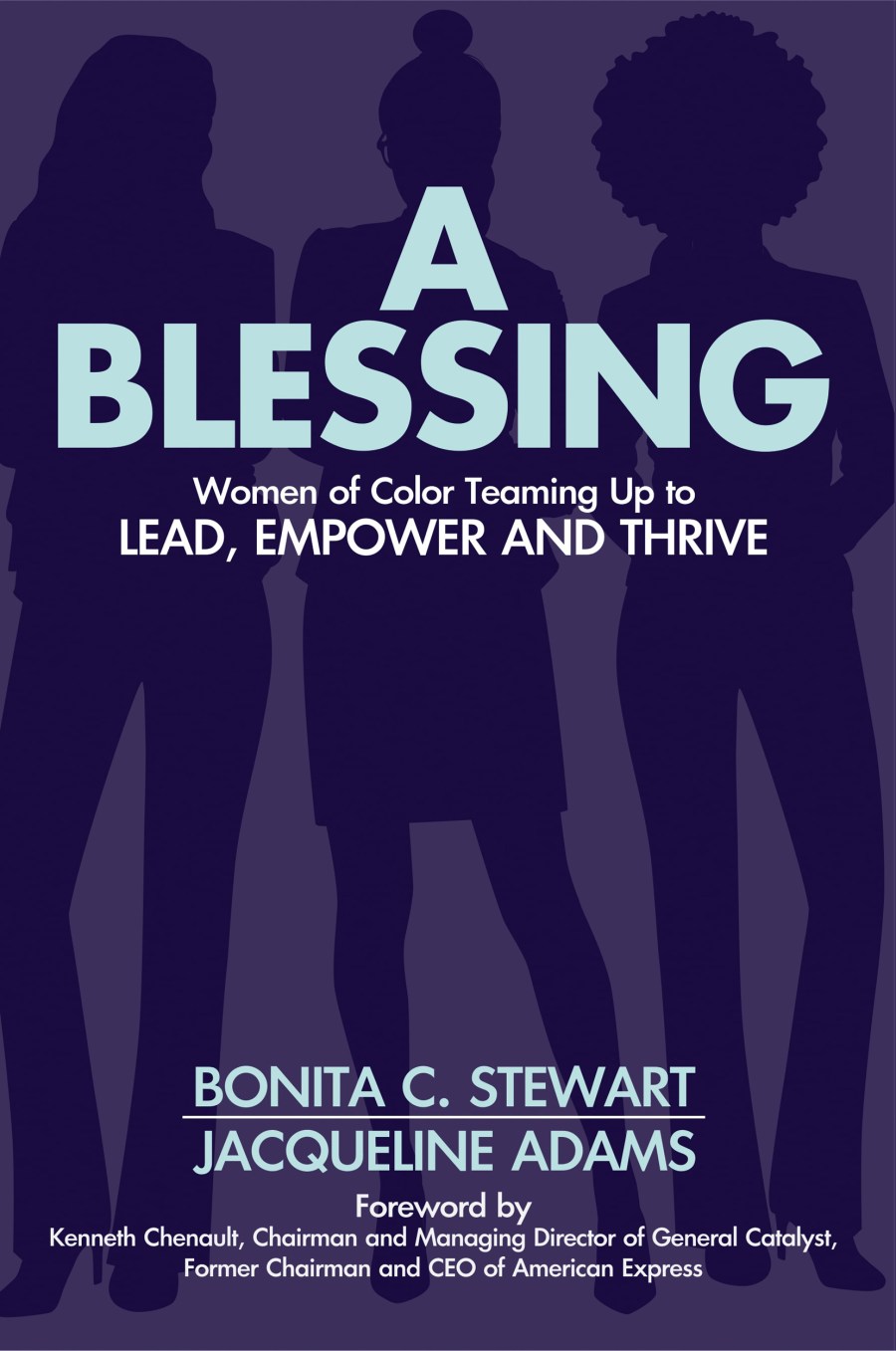
“We’ve often been onlys,” Adams told Yasmin Vossoughian in an interview with Know Your Value. “Just as you might call a group of geese a flock or group of giraffes a parade,when you get a group of unicorns together, they are called a blessing.”
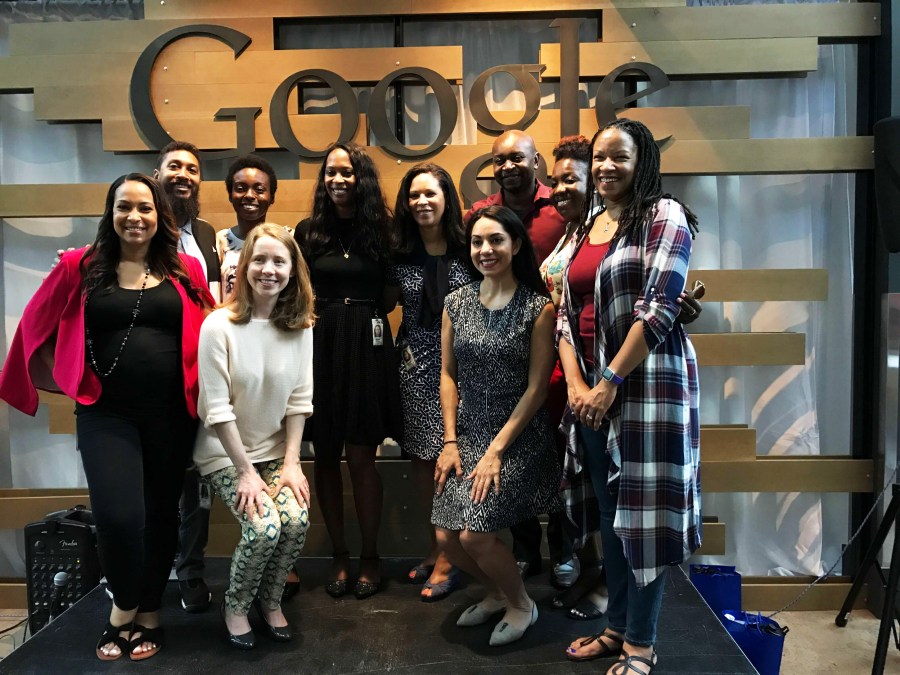
Stewart had the book idea several years ago and teamed up with Adams –her fellow Harvard Business School alumna – to write a leadership playbook informed by data.
“We conducted a proprietary survey of 4,005 American female knowledge workers across fourgenerations (Gen Z, Millennials, Gen X, and Boomers) and four races (Black, LatinX, Asian and Caucasian),” said Adams. “As far as we can tell, we’re the only ones to have done that kind of survey.”
Completed in 2019, their Women of Color in Business: Cross Generational Survey© explores attitudes about how these women perceive themselves, their support systems and their contributions at work.
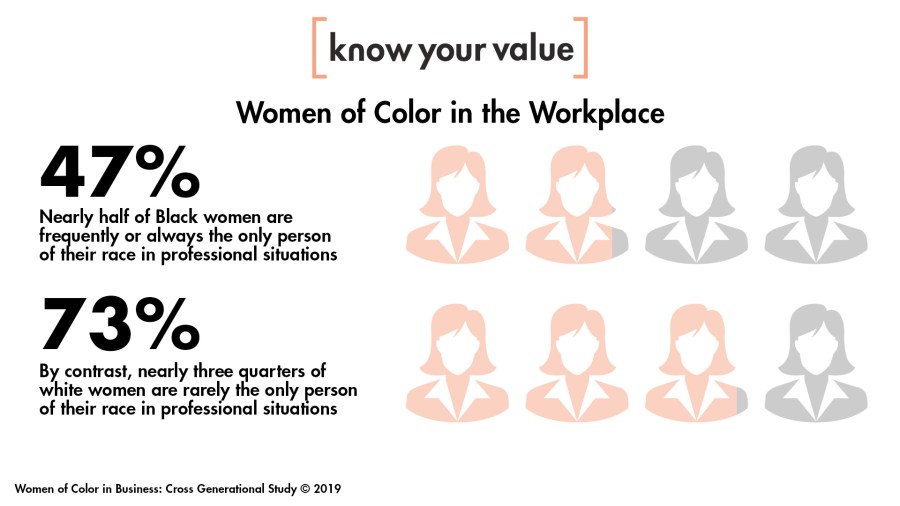
The findings revealed 47 percent of Black women are frequently or always the only person of color in a professional situation. By contrast, 73 percent of white women say they are rarely onlys.
Nevertheless, their survey confirmed the mental burden of being a “Black only” is widely recognized today. They call this phenomenon “generational diversity” and found that young women of all colors, particularly the Gen Z women ages 16-22, reject suffering in silence as the only at work.
“One of the things we wanted to make sure everyone understood is that we are winning,” Stewart told Vossoughian. “Women of color are scheduled to be in the majority by 2060 and Black women are the most educated group within the United States.”
Stewart and Adams’ goal for the book is to promote and celebrate sisterhood among women of color, or “sisters-as-a-service,” as they call it. “With this base of brilliance that we already have, there’s opportunity for us to really create our own flywheel effect,” Stewart added.
RELATED: More women than ever before were elected to Congress — Here are their historic ‘firsts’
Adams pointed to the record number of women on both sides of the aisle who ran for office in November, and more women of color appeared on the ballot than ever before and won. “This is a positive narrative, this is an optimistic narrative and it’s not captured as often as it should be.”
“Hire us and hire us in multiples,” Adam said. “The era of tokenism – of one and done – is over.”
The authors laid out a few key factors at play with every win among women of color across industries. Topping the list is how they build meaningful alliances.
“When we talk about inclusive leadership, it’s something that if you want to address this untapped talent, leaders are going to have to develop themselves,” Stewart said. “It starts first with commitment. It’s how you’re showing up. Are you actually committed to being an inclusive leader, being an ally?”

In the book, they urge men to hire women of color in multiples and veer from comfort zones. “We know it’s going to take courage; we know it’s going to take humility but recognize that brilliance can come in difference skin tones, different hair styles,” Adams said. “We specifically tell them to look for potential, not perfection.”
Another factor for becoming a leader: fostering curiosity. “How are you going to broaden your knowledge to have a better understanding of others and making sure that you’re inclusive and listening to the voices of others?” Stewart added. Finally, there’s the development of cultural intelligence and what it’s going to take to lead within this future workforce. “It will take the commitment, the curiosity and the courage to develop this level of CQ,” she said.
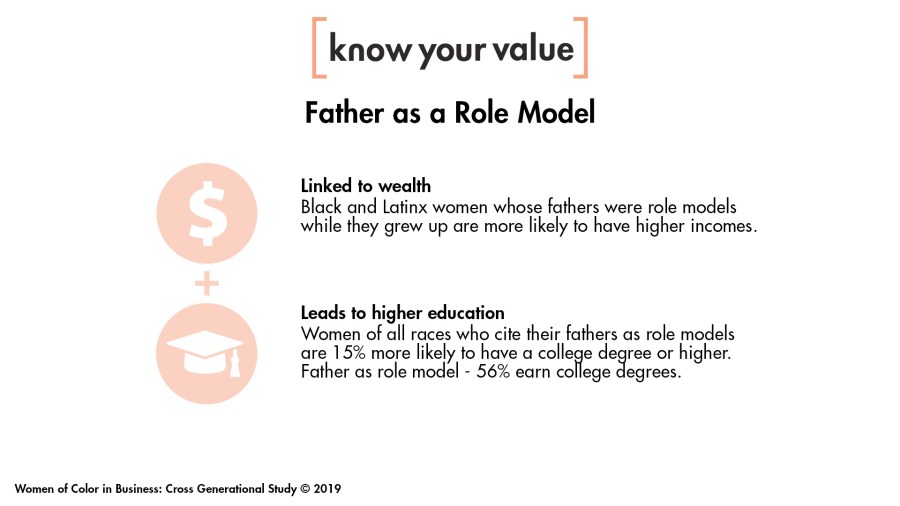
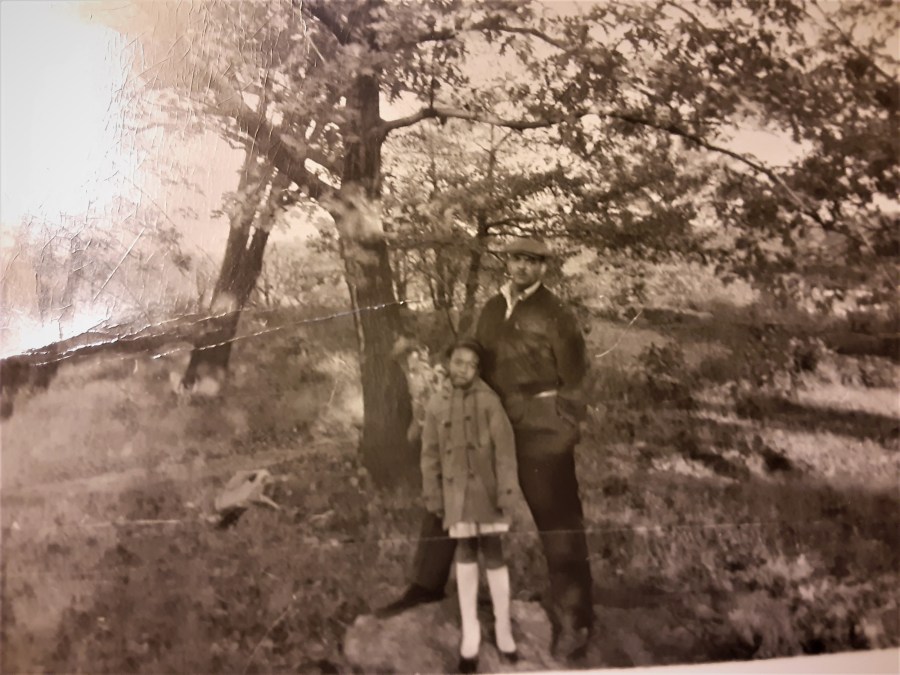
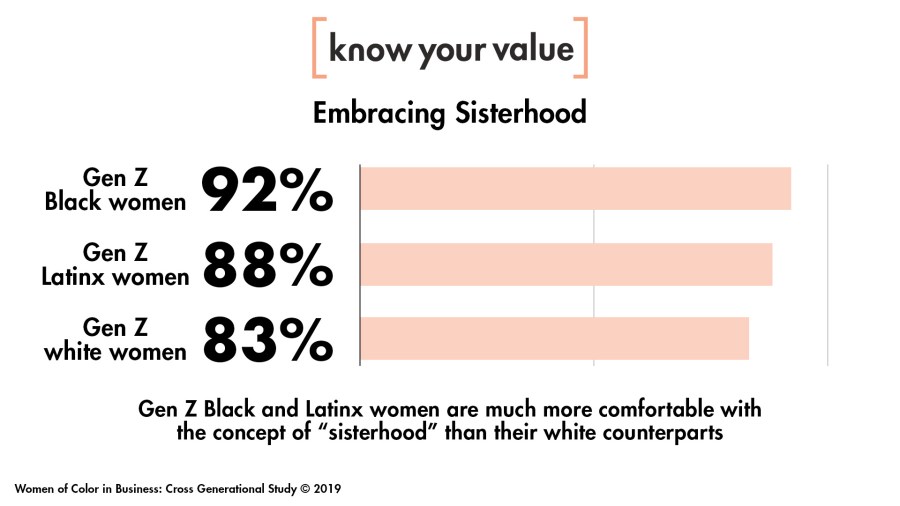
Both women credited their late fathers with instilling these leadership virtues. “Sadly, our fathers passed away at the age of 47 – both of heart disease – I was a freshman in college, Jackie was a senior,” Stewart explained. “We did research on this in terms of fathers being a role model and we found that – in Black and Latinx – it led to higher earning potential and higher education.” For Stewart, her leadership ethic came directly from a speech her father wrote more than 70 years ago. “It included the four C’s. He talks about concentration, the fact that you should have courage, character and then culture. Any time I have a big decision or thinking about making a career pivot – I can look at the four C’s and use that as a framework for my life.” In Adams’ case, she remembered her father saying, “when you’re Black in America, to be equal you have to be superior.” So she devoted herself to school and was ultimately accepted early decision to the Ivy League. But she warned that more important than asserting superiority was recognizing that no one should ever be made to feel inferior. Now with the downturn in the economy amid COVID-19, women of color have been hit the hardest. That’s where both authors say building community is the most important step toward pushing through the circumstances. “The reason why we should team up is that when you think about the word only, the next word you think about is lonely,” Stewart said. In fact, when Stewart and Adams asked the women in their study about cultivating sisterhood, a majority of Black and LatinX women said that was a priority at work. “We believe that if we team up, we could be unstoppable and there’s no reason anyone should take a solo journey,” Stewart said. “Imagine sisters coming together with their various talents and traveling together versus trying to go solo, and then it will start to relieve some of the stress that we know is ever-present today.” That thinking applies directly to the recent milestone election of Sen. Kamala Harris as the first woman of color to become vice president of United States. “Representation matters,” Adams told Vossoughian, when asked about the significance of seeing a woman of color in the White House. “I think that imagery, that place in the public imagination is critically important. Sen. Harris has had an army of supporters that no other female candidate for vice president has had to date,” Adams said, referring to her experience covering Geraldine Ferraro’s campaign for CBS News. For Stewart, she sees Sen. Harris’ victory as an example of how to break down that 47 percent by strategically teaming up and leading inclusively. “Someone once told me that most people are followers, so why not be a leader?” she said. “Being able to lead from the front, lead from behind, coach from the side … You have to be able to bring others along and develop others. It doesn’t matter if you’re a unicorn. It’s how we come together to think about hiring, belonging and doing that all at scale.”
Bianca Brosh Recommended