The birth of a baby is a joyous event. But a bundle of emotions is also part of the delivery package. Such a big life (and hormonal) change – even for the most prepared new mothers – can trigger a slew of emotional and physical changes. Many are a normal part of the post-delivery process, but when they are sustained, it can be a serious health risk for the new mom.
Who gets the “baby blues”?
Most new moms get some version of the “baby blues” after the birth of their child. Common symptoms include unexpected crying spells, moodiness, sadness, irritability, anxiety, feeling overwhelmed, and/or changes in sleep and appetite. Women might experience just one, or many symptoms, which tend to appear within the first few days of delivery, and typically last for a week or two.

What is postpartum depression (PPD)?
For some moms, these symptoms are not a temporary phase and turn into a serious depressive episode – called postpartum depression. Like other mental health conditions, it’s never the fault of the new mom, or a sign of weakness. It’s a vulnerability after giving birth that must be acknowledged and treated quickly, at an early point of intervention before symptoms become overwhelming and treatment more complicated.
While PPD might initially be mistaken for the baby blues, it’s important to acknowledge if these symptoms are getting worse, and are sustained for longer than a week or two. It’s not a sign of weakness – it’s a sign of strength to seek help. Ignoring these symptoms can lead to problems caring for your baby and family, so reach out to get help when you feel you need it.
PPD symptoms are varied, and a more intense version of the symptoms of the baby blues, including physical and emotional symptoms like these: constant crying, severely depressed mood, loss of interest in daily activities and/or caring for your baby, overwhelming fatigue, feelings of shame and worthlessness, trouble eating or sleeping, and at the extreme – thoughts of harming yourself or your baby. Untreated, these symptoms can last for months, and increase in intensity.
Treating PPD
There is a continuity of care process for PPD, so the right diagnosis is the best first step. For women with mild to moderate PPD, psychotherapy and social support are most often recommended. Support groups are oftentimes helpful.
For more serious symptoms, an antidepressant (like Prozac, Celexa or Paxil) is often added to support the lifestyle regimen, to stabilize brain chemistry. These have been standard and effective treatments for many years. (Note: If medications are added and you are breastfeeding, it’s important to discuss with your doctor whether you should discontinue it.)
Why is there a new drug to treat PPD?
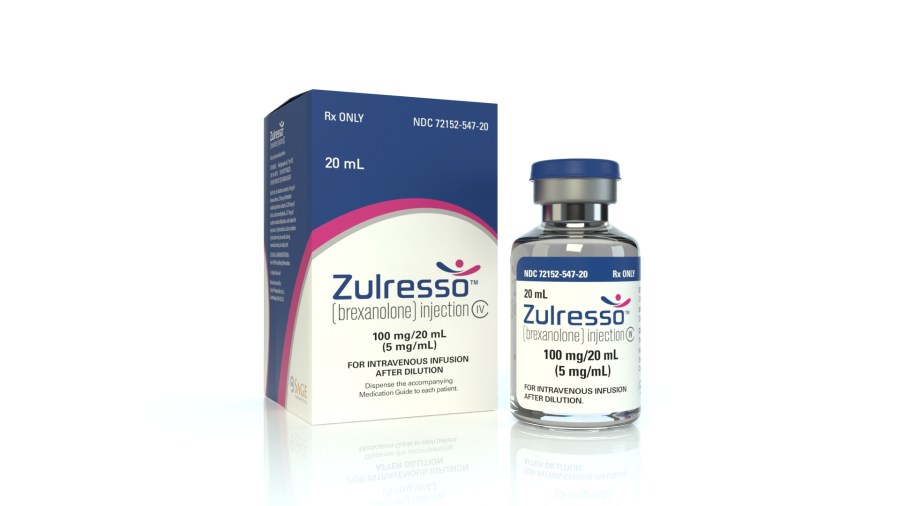
But for women with severe, unrelenting symptoms, the risk of harming themselves or their baby is very real. Along with severe depression, and other mood disturbances, there was a real need for a medication to support this group of mothers. That’s where a new drug called Zulresso (brexanolone) can help.
What does Zulresso do? Zulresso is a neurosteroid (hormone acting in the brain), that was first used as a treatment for seizure disorders. Like many drugs discoveries, it found another use quite different from the original intent. Zulpresso does have potent antidepressant actions, but works in a different way than typical medications already used for PPD. It is given as a single 60-hour infusion in a very controlled medical environment. While it’s not exactly known how Zulresso helps with PPD, it’s well known to impact GABA receptors in the brain. GABA is a brain neurotransmitter that plays an important role in modulating depression and anxiety. A big difference is that while other antidepressants can take around two weeks to improve symptoms, Zulpresso can act very quickly, within a couple of days. And it both improved depressive symptoms at the end of the infusion period and at the 30-day follow up period. While the drug is well tolerated, drowsiness and dizziness are often reported. And, because the FDA observed serious adverse events in a few people based on two clinical studies – suicidal thoughts and altered consciousness – the medication is only available through a restricted distribution programs at certified health care facilities, along with close longer term follow up by your doctor. This makes sense because of the constant monitoring needed for the dosing, which is a single 60-hour infusion. (As with all other medications that pass through breast milk, Zulpresso participants did not breast feed.) Who is a candidate for Zulresso? While every woman is different, this medication is for the most severe cases of PPD. And, as a newly approved medication, it remains to be determined how this will be best used over the long term. The single infusion of Zulresso currently ranges from $24,000 to $34,000, a cost with variable insurance coverage. Most importantly, if you suspect you have more than the “baby blues” help is out there when you need it. And, discuss both lifestyle and medication options with your doctor to help resolve your symptoms as soon as you notice that you’re not feeling “like yourself” for more than a week or so. Madelyn Fernstrom, Ph.D. is NBC News’ health Editor. Follow her on Twitter @drfernstrom.
Madelyn Fernstrom, PhD
Madelyn Fernstrom, Ph.D., is the Diet and Nutrition editor for TODAY.
Fernstrom is a professor of psychiatry, epidemiology and surgery at the University of Pittsburgh Medical Center and a board certified nutrition specialist from the American College of Nutrition. She is the founding director of the UPMC Weight Management Center. Recommended