








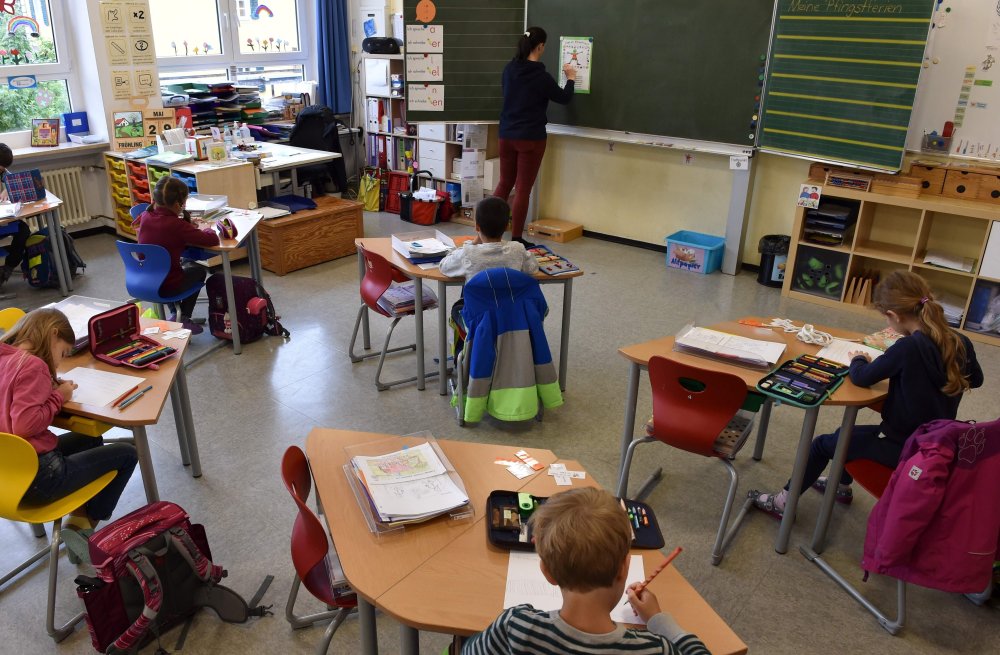
As a mother of four school-age children and the CEO of GENYOUth, an organization that works with 73,000 U.S. public schools, I know what you’re asking yourself when it comes to the upcoming school year: Will I be able to handle distance learning again without losing my mind? Will my kids fall behind? Am I threatening my job by trying to be a good employee, mom and teacher all at the same time? I get it. I’m going through the same thing.
When I think about what our country has been through the last few months with COVID-19, I do so from two perspectives. The first one is as a mom. The second is as someone who is, fortunately, very closely tuned in to the needs and challenges of school districts.
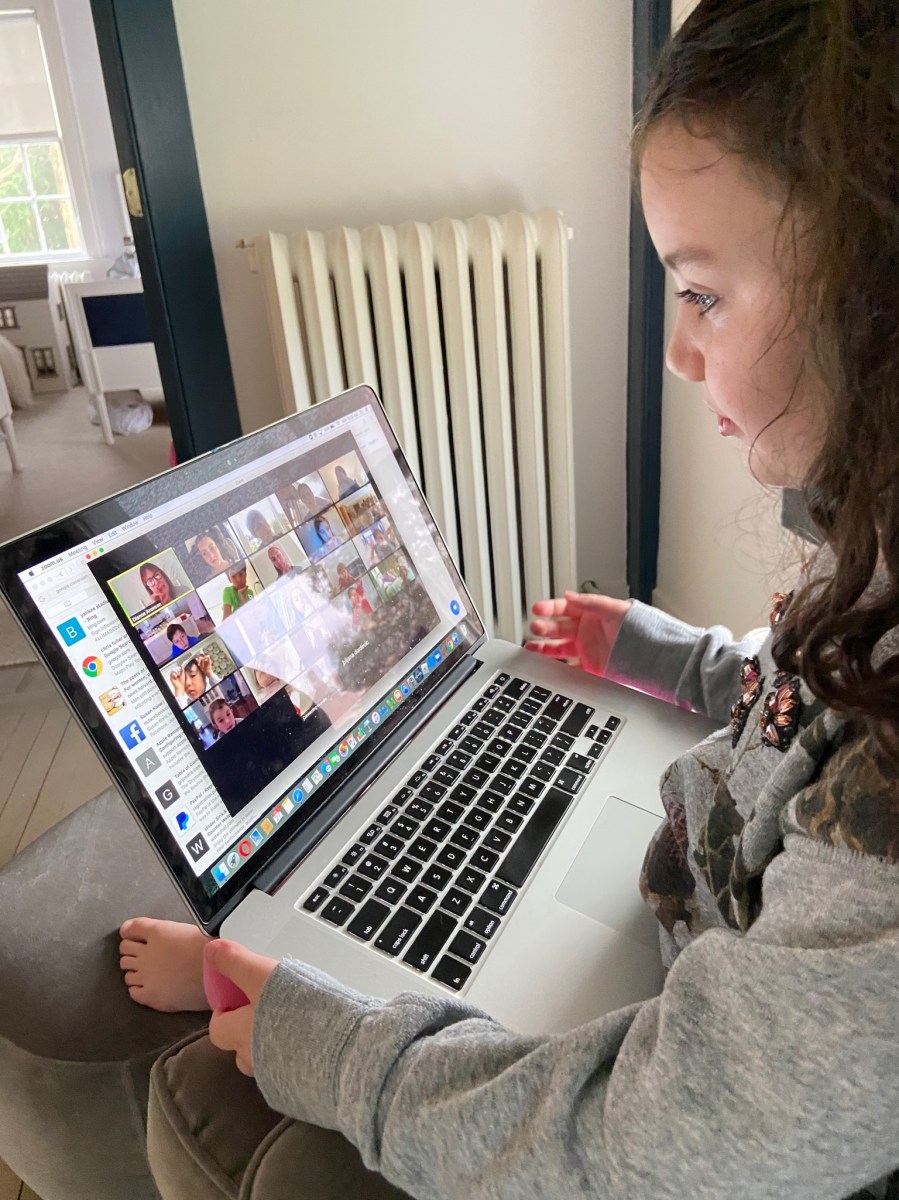
Because GENYOUth is charged with helping to create healthier school communities, I personally see and help shape solutions to what is happening in schools on a daily basis — even in these summer months. I also see the significant and devastating hit public schools have taken. The challenges over the last 100 days have been daunting, and it will be even more so in the next 100 days. This is why we must get smart about the valuable role our schools play in creating an equal playing field for ALL children in America.
Looking back, it was Saturday, March 14 that I personally mark as the watershed day, when it became undeniably clear that schools nationwide would inevitably have to shut down to learning, and that a significant response would be needed to support the 30 million American children dependent on school meals for their daily nutrition even while doing distance-learning from home. There were, we learned, countless unbudgeted expenses around that imperative. As Juliette Kayyem, a former Department of Homeland Security Official, wrote in The Atlantic this week, “Americans [have] found out the hard way that [schools] are essential infrastructure.”

So, what comes next? What we do know going forward, and what I want parents to know at this point, is the following:
1. Economic fallout from the pandemic has wreaked havoc on education budgets. The decline in tax revenues because of business shutdowns has emptied state coffers, and most school districts have been told to expect funding cuts from states in the tens of millions – not just for the coming year but for the foreseeable future. Some district budgets will be cut by 20 percent or more, and schools will have to adapt to offset those deficits – consolidating school buildings, laying off teachers, and other draconian measures will be taken.

2. The inequities and contradictions in the American economy that the pandemic has laid bare (a “healthy” stock market while nearly 50 million Americans have applied for unemployment benefits) will continue to loom large, with public-school feeding sites continuing to play the role of safety-net for hungry families. U.S. children who rely on school meals for a substantial portion of their nutrition will continue to depend on those meals. Before the pandemic, one in six children lived in food insecure households. Now that statistic is estimated to be one in four, and, in some projections, one in two.
3. The approach to back-to-school scenarios that adhere to guidelines from the Centers for Disease Control and Prevention will vary from state to state and district to district. Whether they are back in school, attending school on a staggered, part-time or “hybrid” basis, or learning at home, the number of families that rely on school buildings to act as daycare facilities for them to “return-to-work” is essential to getting America back to work and the economy back on track. These staggered methods of schooling meant to protect our kids may jeopardize American families if employers are unwilling to protect jobs in these new and varied circumstances.
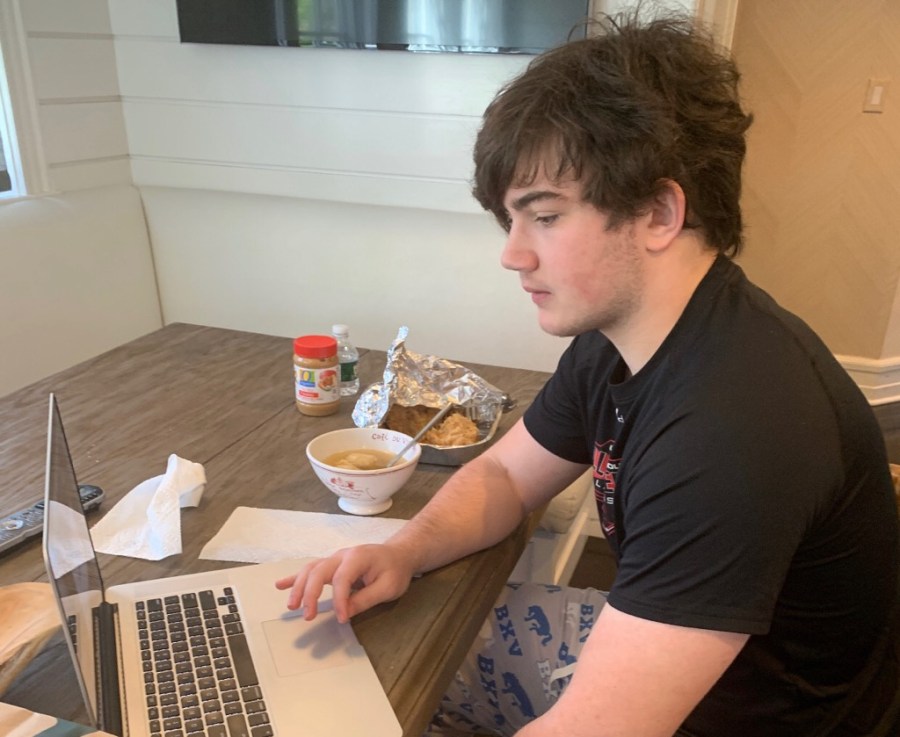
4. The crisis in physical inactivity, a key factor in child health, has been and will continue to be exacerbated by the pandemic, as budget cuts and social distancing measures threaten physical education programs and intramural sports, and as students are confined at home for all or part of the time. The dilemma facing student athletes will continue to be a crisis within a crisis. If you’re a student athlete, sports can be a key to the future, offering a pathway to getting into a better college or getting into college at all. School closures and disruptions due to COVID-19 increase not just the risk of physical inactivity among youth, resulting in potential negative impacts on students’ physical, mental, emotional, and cognitive health, but an opportunity to change their lives forever through scholarships, which the pandemic has disrupted.
5. The digital divide has created a dangerous chasm in learning that threatens to set back and possibly even leave behind millions of children. This includes the lack of broadband access, digital learning tools from Chromebooks to laptops, and the realities of low-income Americans struggling to survive. The Education Week Research Center revealed in the results of a recent survey that “more than a fifth of students are not participating in school, with larger truancy rates in high-poverty communities, even as teachers ramped up communications and instruction.

Anyone who claims to know exactly what’s in store is mistaken. Along with the virus itself, the constantly changing and often contradictory patchwork of public-health advisories, as well as spiking infection rates in some states and declines in others, have made back-to-school planning tough on administrators, and anything but uniform.
But here’s my advice to moms (and caregivers) of school-age kids at this moment in time:
1. Stay informed, but do so locally.
National news is great, and statements from governors and national leaders are important. But as August and September approach, decisions about school opening are being made at the local level. It’s your district superintendent you should be taking your cues from. He or she, along with the local school board, will decide how, when, and if your kids go back to school – not politicians and pundits in Washington.
2. Remember that back to school will be partial, at best.
Even if your district does decide to go ahead with on-campus learning, the CDC and American Academy of Pediatrics guidelines for distancing (6 feet and 3 feet, respectively), dictate only a partial return. This could mean staggered schedules, “split weeks,” or limiting return-to-campus to high-need groups of students, like special-ed.
3. Realize that it’s going to be messy. It’s already July, and many districts have not solidified plans for a back-to-school season that’s only weeks away. The logistics are impossibly complicated. For example: districts will need more school buses, or more frequent bus runs and routes, to accommodate distancing on the bus. They also need to install child-height hand sanitizer dispensers. And on and on. Parents will need to be flexible and patient during a bumpy time. 4. Stay aware of how your kids are feeling. All moms do this intuitively anyway. But take a look at the survey my organization recently completed: Life Disrupted: The Impact of COVID-19 on Teens. It’s eye-opening in terms of the depth and breadth of what kids are experiencing, thinking and feeling in these strange times. 5. Prepare, prepare, prepare. Don’t allow yourself to get blindsided or overwhelmed by the reality of this moment. Rise to the occasion – to the best of your ability. Rest assured that the coming school year will offer your kids and mine a calendar and a learning environment that will be new and different from anything they, or so many of us, have ever encountered. Be prepared to meet all of the associated challenges that are certain to become even more serious: higher food insecurity; ever more pressure on the school building for any number of social services; and the need to address physical-activity, wellness, and, especially, mental health needs in a time of undeniable stress. As the heroes they inevitably are, teachers – and moms – must unite to support our children and their schools in as many ways as possible. I am confident that with right degree of urgency, attention, investment, care and empathy for one another, America’s youth will continue to grow and thrive in what is admittedly a difficult, but eminently survivable, period, if we uplift one another. We can do this. Alexis Glick is Chief Executive Officer of GENYOUth, a nonprofit organization dedicated to nurturing child health and wellness through programs presented in partnership with the National Football League and the National Dairy Council. Glick also serves as a frequent contributor to many national and international news programs, providing her perspective on global business topics of importance, the financial markets and CEO leadership trends. Prior to GENYOUth’s inception, Glick previously served as a senior media executive, and also appeared in the anchor role on NBC’s Today Show and CNBC’s Squawk Box. In addition to her current executive responsibilities at GENYOUth, and enjoying her active role as mom to four kids, Glick is active in several national and local non-profit institutions. She is a frequent, strategic advisor to CEOs for some of the largest international, blue-chip and Fortune 500 companies on issues relating to media strategy, business development, investor relations and communications and advises professional athletes on social media, branding and public speaking.
Alexis Glick Recommended


