








For all of us working parents, the ongoing pandemic can feel like Groundhog Day. But that’s not the case for our kids.
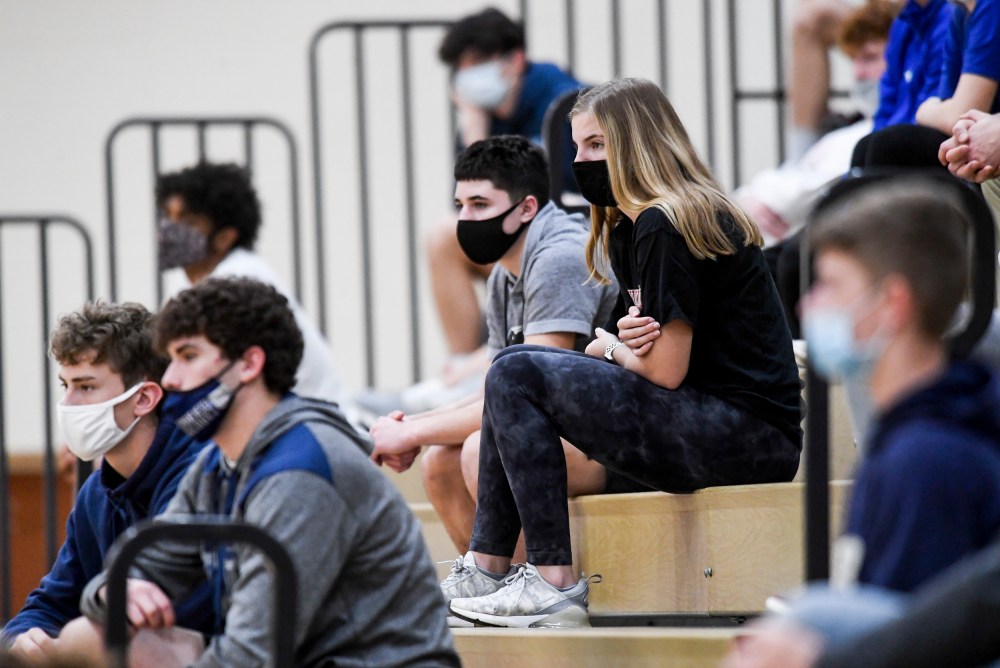
Our nation’s children are battling the biggest crisis of their lifetime — a lack of confidence in their futures and an unfamiliar anxiety that is creeping into homes, schools, workplaces and communities. It’s being called the lost year. Or is it two years now?
At GENYOUth, the organization I’m privileged to lead, we just surveyed 1,035 students across the country and found that three in 10 students believe the pandemic has had a “huge” impact on their academic readiness for next year. That number increases dramatically to 73 percent when “some” impact is included.
When asked what most concerns them one year into the pandemic, nearly one in four high school seniors are telling us they fear losing academic scholarship opportunities. Meanwhile, 21 percent say it’s gaining admission to a good college or vocational school. And 22 percent cite getting the kind of job they want as a primary fear.
The fact that students are stressed after a year of pandemic learning is not a surprise.
But our survey uncovered some very concerning trends. One is the extent to which fear is permeating all areas of teens’ lives — academic, financial and social — revealing a mental and emotional health crisis we are not equipped to handle. And we as parents must stop, listen and work together to give them the support they need to ensure a healthier sense of well-being now and in the future.

Underscoring the level of worry and distress students are feeling, educator Andrew Thurston, who teaches at Southeastern Regional Vocational Technical High School outside Boston, recently said to me, “Students are scared. They’re unsure. They’ve been isolated. And absolutely everyone is affected – from the top-of-the-class students to the at-risk kids to the English-language learners.”
Our survey results support this sweeping statement. We found that:
- 50 percent of students are reporting their social well-being is less than good
- 53 percent are worried about losing some of the happiest, most exciting years of their lives
- 68 percent say that their learning is suffering, and that it’s harder to absorb information and focus with remote learning
- 53 percent say they are not keeping up with classes as well as they were before the pandemic
Although 83 percent of young people claim to be coping well overall, they are far from untouched. In fact, 56 percent said they feel like they have little or no control over their lives; 29 percent are moody or emotional; and 21 percent are having trouble sleeping.
And it’s not just students. In focus groups conducted with educators, we found teachers battling their own mental health concerns too. Can we really be surprised?

As a mother to four school-age kids myself, I am stunned by how my life has changed in the past 15 months. It’s no mystery to me that a record number of women are dropping out of the workforce. When I’m not in front of my computer working, I’m writing, editing, and coaching my kids through their schoolwork, after-school activities, and lost moments. I feel their pain, yet at the same time I find myself breathing down their necks about their exams, practices, college prep, state tests . . . the list never ends.
So what can we do? Several things.
Get your kids involved. All moms know that kids want to help and be involved. Find ways to engage them in supporting their peers. Nearly 30 percent of young people and their families are facing long-term financial hardship. What can they do to contribute? Remember, helping others is one of the best way of boosting one’s own emotional and mental health.
Support our educators. Teachers, many of whom have experienced their own traumas and hardships, will likely not be at their best just when students will be needing them the most. Volunteer. Support efforts in your district to fund extra training for teachers to deal with kids who may be having emotional and re-entry problems. Think about support groups to give educators a safe place to explore their own feelings and concerns. We all have a new appreciation for our teachers. Show it by thinking about what can you do this summer to help them prepare for the fall?
Make the best use out of your summer. I know school is out and kids hate summer work. But this time it’s different. How can you better prepare them for the next school year and give them back some of the confidence they lost? Include them on some of your work projects. Seek their opinions. Kids love to be heard, and their brilliant, impartial minds are astonishing. For example, I recently assembled five high school and college-aged kids to help me tackle a strategic issue I’m dealing with at work, and I was – as always—blown way by their thinking and problem-solving, as was everyone on my team. Get moving. Many student athletes have missed two seasons of sports. Find alternative ways to get them active, back on the field, or mentored by older athletes. Physical activity (even if you don’t play sports) is the antidote to so many of our kids’ socio-emotional concerns and to helping rebuild their confidence. Make sure your children feel safe. Safety protocols are imperative as our children return to school. Talk about these concerns with your kids. Ask them if they feel safe and find out what kind of reassurances they’re hungry for as we emerge from the pandemic.. Remember that digital learning isn’t going away. Remote-learning and support to maintain students’ academic performance and readiness is still mission-critical. The digital divide has stranded far too many kids. From lack of devices to no access to broadband, we must continue to find ways to donate, contribute, and help our school districts — whether it’s helping them apply for grants or donating your used work devices. Digital learning is here to stay. Let’s make it successful for all kids. Above all, listen, ask, probe gently and calmly, and remember to put yourself in your kids’ shoes. Groundhog Day for us is manageable, but for our kids these years will impact their futures academically, socially, and emotionally in ways we haven’t even thought of. Let’s remember that when school is out, the learning doesn’t stop. Our kids’ and our schools’ future depends on our support right now, and so does our nation. *“The Impact of COVID-19 on Teens, One Year Later” was conducted in February 2021. Two follow-up focus groups with educators were held to help interpret findings. The margin of error is plus or minus 3 percent. Alexis Glick is the mother of four, and CEO of GENYOUth, a nonprofit organization dedicated to nurturing child health and wellness through programs presented in partnership with the National Football League and the National Dairy Council. She is a frequent contributor to MSNBC and other news networks, providing her perspective on domestic and international business, financial markets, and CEO leadership trends. Alexis will author her first book in 2021 on the important intersection of profit and purpose, which is based on her diverse leadership experiences on Wall Street, in media, and philanthropy.
Alexis Glick Recommended


