








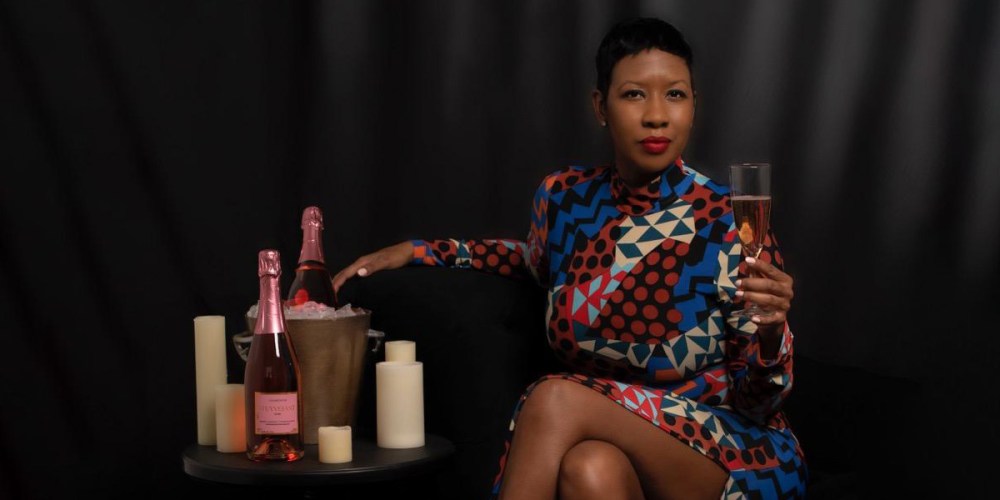
For Marvina Robinson, founder of Stuyvesant Champagne, the pandemic presented a multinational, logistical puzzle.
Her product, like all official champagne, hails from France. During the spring, the whole country was under lockdown as a result of Covid-19. So, while demand for Robinson’s Brooklyn-based champagne was through the roof, her supply was completely cut off.
“I was freaking out, I’m not going to lie to you,” Robinson told NBC News’ Know Your Value.
But Robinson, 44, wasn’t new to pivoting. In 2018, the entrepreneur left a 20-year career in finance to launch the brand, which is named after Bedford-Stuyvesant, the neighborhood where Robinson was born and raised.
The brand has two popular offerings: Rose and Grand Reserve Brut, and she was determined to deliver her signature bottles.
Robinson weathered the storm by relying on previous shipments and then experimenting with different vendors. Once France started opening up again, Robinson’s customers were patient while Stuyvesant Champagne played catch-up, she said. Shipping may still be a few days delayed, but it’s almost back to normal these days.
Importing a product from France was a challenge even before Covid-19, however. When she was scoping the vineyards in the famed Champagne region of the country, Robinson was not only a foreigner who didn’t speak French trying to break into a traditional industry, she was also one of very few Black women to take on the challenge.
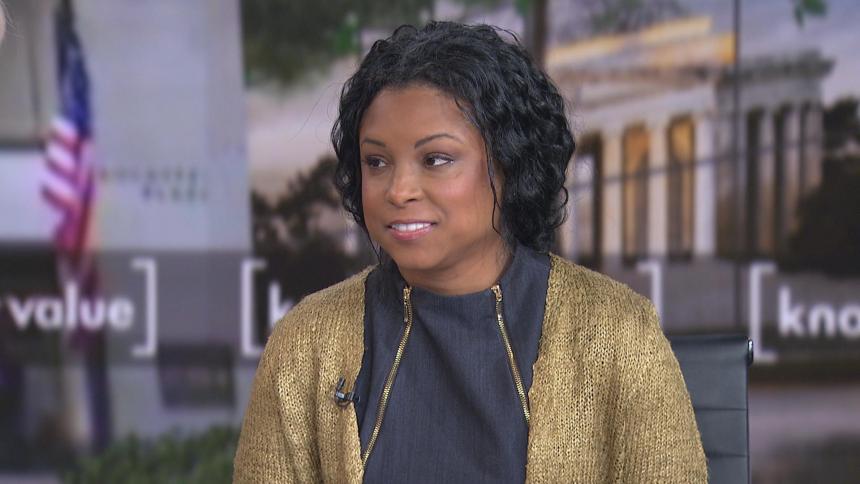
“At first, they didn’t want to work with me in France,” said Robinson. “I had a lot of people at the vineyards saying ‘this isn’t your industry.’ But when they say ‘no,’ it doesn’t make me go away.”
Robinson arrived with plenty of business chops. After receiving a master’s degree from Columbia University, she worked for decades in commodities analysis, trading, pricing and risk management at various corporations. She had also launched two businesses on the side (a spin studio and a café) before landing on her dream product.
“I just love the whole nostalgia of champagne,” said Robinson. “I love reading a bottle, the contents, the cork sound, that first sip. If I have a bad day, I open a bottle of champagne. If I have a good day, same thing.”
Robinson was able to impress French regional distributors with her business acumen. She had also gleaned vast technical knowledge about manufacturing champagne through reading and a brief stint in wholesale catering.
“It made them a little more comfortable when they realized that I actually knew the industry,” said Robinson. “I showed them that this wasn’t a game for me.” Still, while Robinson built her five-employee stronghold in Brooklyn, it took 11 months for France’s official champagne committee to approve of her distribution. “It’s like being in a relationship,” said Robinson. “I knew it would have been way easier to work in the California wine region, but that would have been the easy way out. I had to stay true to myself.” After shuttling back and forth from her main job to France for a time, Robinson finally left the finance world to focus exclusively on Stuyvesant Champagne for two years ago. Though Covid-19 brought some monumental challenges, the business is expanding to offer new, blended batches of champagne, called cuvées. Before the pandemic, Robinson had also planned to open a bar in Bedford-Stuyvesant. She is now seeking outdoor, seasonal spaces. Robinson said her success is largely due to her resilience in the face of doubters. “You will be tested, so regardless of who you are talking to, always make sure you’re on your A-game,” said Robinson. “And never take no for an answer.”
Halley Bondy Recommended


