








Millions of us are struggling to find normalcy in the age of COVID-19. The uncertainty over our health, jobs, finances and when we’ll be able to see our loved ones again has taken its toll. In fact, according to a recent Kaiser Family Foundation poll, nearly half of Americans — 45 percent — say their mental health has been negatively affected as a result of the pandemic.
I recently chatted with Amanda White, a licensed therapist and the creator of the popular Instagram account @therapyforwomen. We discussed the roller coaster of emotions many of us are suddenly experiencing and how we can cope.
“When an initial event is happening, we have that fight or flight response and then the event is over and we’re able to process is,” White explained during my weekly Instagram Live series for Know Your Value.
White noted this time period is especially challenging because it’s “so extended that we are consistently going through fight, flight, freeze, and our brain doesn’t know when this is going to end. So, it continues to happen over and over, because it doesn’t know which fight, flight, or freeze is going to be most effective in dealing with this.”

In addition to White, I spoke to holistic coach and wellness teacher Lily Silverton and clinical psychologist Christie Ferrari. Here are a few tips and strategies they suggested to help lower stress and anxiety during this uncertain time:
1. Get rid of the shame associated with grieving
The reality is that we are all grieving in one way or another.
The best thing to do as we continue to heal, is to “try and normalize it” White said. “Now is the time to share what you are feeling with others — family, friends, on social media, or wherever you feel safe doing so. We are collectively grieving, and the shared experience in knowing you are not alone will help the healing process.”

And don’t feel ashamed of your emotions. “Shame often acts as this binding agent over the deeper emotions that are going on, and it stops ourselves from feeling the deeper emotions that are going on,” said White.
2. Implement mindfulness in your everyday routine
Yoga and meditation has helped me during this time stressful time, and has resulted in me being more mindful throughout the day. But don’t just take it from me; Science also says the benefits of yoga and meditation to our mental and physical health are significant.
If you’re new to meditation, or like to be guided through one, check out this mediation by holistic coach and wellness teacher Lily Silverton. According to Silverton, meditation “increases grey matter in the pre-frontal cortex, which is responsible for reasoning and thinking – both tools we need to combat anxiety.”
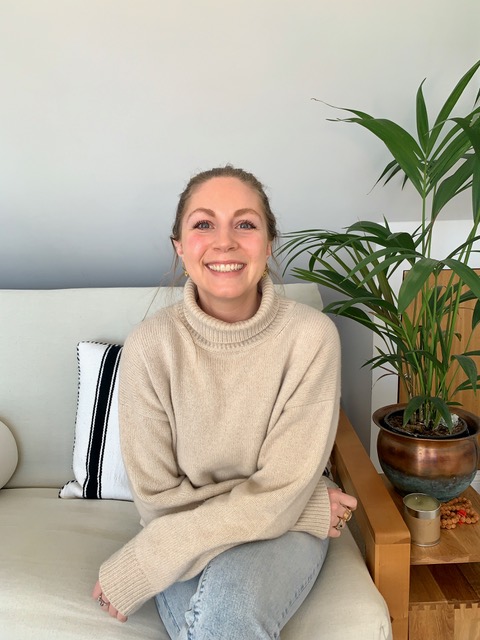
White added that it’s also important to practice noticing our emotions , and not judging them. “When we engage in judgement about our thoughts and emotions we get stuck in an anxiety loop,” she said.
3. Remember that your breath is the gateway to the present
If you feel yourself getting anxious, focus on your body cues, said clinical psychologist and blogger Christie Ferrari. “Is your heart racing? Are you breathing quickly and chest-breathing mostly? Are you tense? Are your hands clammy?”
If the answer is yes, certain breathing techniques can help calm down your nervous system. Ferrari advised to practice deep belly breathing. “An easy way to get good at this is to lay down for five minutes with a plastic cup or light book on your stomach and practice having this item rise when you take a deep breath in, holding it for four seconds, and then releasing and exhaling and watching this item go down as your belly goes down for three to four seconds.”
Silverton recommended this breathwork tool, which incorporates deep belly breathing. “You can do this anytime of day or night, when you feel that swell of anxiety starting to rise up.”
Having a consistent routine even for just five minutes will help ground you. “A routine can do a lot of good. It keeps a sense of normalcy, can boost productivity and provide structure” said Ferrari. She suggested getting out of your pajamas as part of your routine, and sticking to clothing that is casual and comfortable but still looks polished “A loose dress and a cardigan, for example, or linen pants with a blouse,” she said. Getting dressed, even while we’re home, will help you get into the right mindset for the day ahead. We have enough to think about during this pandemic. Make your week go by a bit smoother by planning out your meals for breakfast, lunch and dinner in advance. It will shorten your time at the grocery store and eliminate doing multiple trips. Find a day (I prefer Sundays), to write down your meals for a week or two. From there, make a grocery list based off those meals. RELATED: 5 meals to make under lockdown that are inexpensive, delicious and healthy It’s easy to feel lonely during this time, especially if you are going through quarantine alone. Check in with family members and friends, and create fun, new ways to communicate. Missed a bachelorette party or birthday? Create a Zoom call and your friends to dress up/change their backgrounds to mimic the ‘would have been’ bachelorette or birthday destination. Plan out a virtual bingo night and send out cards in the mail a week before. Try a virtual wine tasting or happy hour. Make a point to call an older family member once a week. Planning these virtual check ins, and giving them a creative twist will give you something to look forward to each week. You may feel like there’s a lot of pressure to come out of this time in isolation with a new skill, big idea, or simply as a “better you.” But for many, that just won’t be the case. And that’s OK! What we’re going through is not normal. Take it easy on yourself. For many, getting through this healthy and safe is enough. Do your mind and body a favor by thinking positively. Find ways to reflect. That could mean writing, listening to an inspirational podcast, turning up your favorite song or doing a five-minute dance off. Anything that gets you shaking off those bad vibes. Silverton suggested making a list of 10 things that make you happy every day. “It’ll lower your stress response (which is responsible for your anxiety),” she said. Daniela Pierre-Bravo is Know Your Value’s millennial contributor, a Cosmopolitan Magazine columnist, and a booking producer for MSNBC’s “Morning Joe.” Follow her on Twitter and Instagram.
Daniela Pierre-Bravo
Daniela Pierre-Bravo is a journalist and author and founder of Acceso Community. She is a co-author of “Earn It” with Mika Brzezinski. Her solo book, “’The Other: How to Own Your Power at Work as a Woman of Color,” is out now. Follow her on X and Instagram @dpierrebravo. Recommended


4. Create routines

5. Plan out your meals
6. Find fun, new ways of connecting to avoid feeling alone

7. Take it easy on yourself
8. Find ways to lean in to positivity
