









If your fridge is packed with questionable deli meat, 17 half-empty condiment bottles and a wilting bagged salad, you’re not alone.
National Clean Out Your Refrigerator Day is on Nov. 15, so celebrate by, well, cleaning out your refrigerator. With the holiday season around the corner, the day is perfectly timed to make space for the large serving trays (and leftovers!) that will inevitably appear.
But how can you decide which food to keep or toss? Many may use the expiration date stamped on perishables as their guide. However, the expiration dates on most refrigerated foods are not federally regulated; in fact, they differ wildly from state to state.
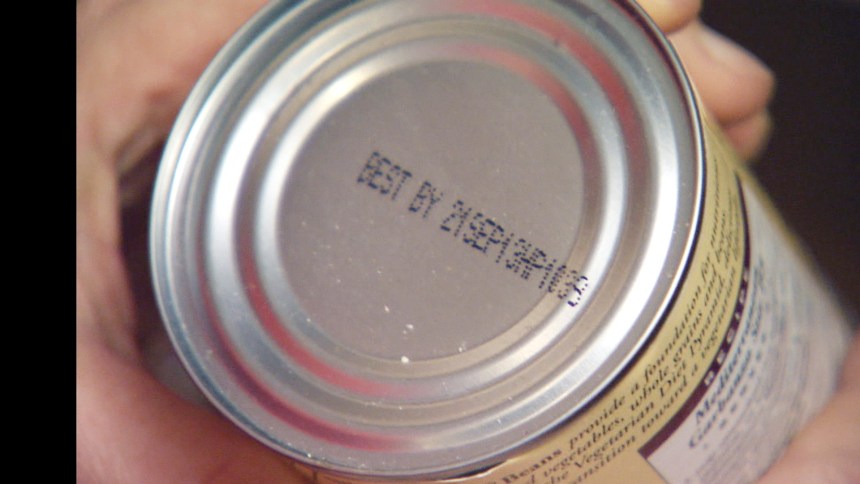
Let’s break down what each type of expiration date really means:
Sell-by: This date is a tool to help retailers organize their stores so that products are sold in the appropriate order. It isn’t necessarily a signal that food is no longer good to eat.
Best-by/Best Before: This date tells you when the item will be at peak freshness. Food is generally edible past this date. It describes food quality, not food safety.
Use-by: This date tells you the day that the peak quality of a product will end. Again, food is usually still edible after this date.
Want more articles like this? Sign up for the Know Your Value weekly newsletter!
So, which expiration dates can you bend the rules on?
Milk/Yogurt: “If it passes the sniff test and is only a week past the expiration date, it’s generally fine,” said Mary Ellen Phipps, a registered dietitian and nutritionist. Dr. Jennifer Quinlan, a food microbiologist and associate professor in the Department of Nutrition Sciences at Drexel University, agreed. “I am comfortable eating yogurt 1-2 weeks past date as long as it doesn’t smell,” she said.
Cheese: If cheese is past the expiration date, again use the sniff test. But what if you find a spot of mold? “For hard cheese, it’s acceptable to remove the mold plus an inch around it,” said Phipps. “For soft cheese, throw it away.”

Eggs: In this case, you won’t notice any evidence that eggs have gone bad, but Quinlan suggested, “If it’s a week after the sell-by date, cook the eggs thoroughly.”
Meat: Heath experts agreed that raw meat could potentially have pathogens. Stick close to the expiration date here. But you can always freeze meat once it hits its expiration date, suggested Quinlan.
Salad Dressing/Condiments: Use your personal discretion on this one. Quinlan said, “This is a quality issue, not a safety issue.”
Bagged Salad: Quinlan said bagged salads “will physically deteriorate before they make you sick,” so you’ll know at a glance if it’s edible. There is at least one federally regulated item with an expiration date that really does matter: Infant formula. Because babies’ immune systems are still developing, there is a higher level of scrutiny for the food they ingest. If you have formula that has passed its expiration date, throw it away. Still stressed about expiration dates? Don’t be. Jeff Nelken, a food safety coach and accident prevention consultant, said “most products have several safety barriers built in to slow bacterial growth. Fermentation—resulting in flavors that smell or taste “off”—sounds the alarm that food is no longer fresh tasting.” As you clean out your fridge, here are some other tips to keep in mind: Don’t just consider the date or type of food, but the refrigerator itself. “Most people don’t realize that their refrigerator should be 40 degrees Fahrenheit and that foods stored in the door may be 5 degrees warmer than that,” said Nelken. He suggested keeping a thermometer right in the fridge. Phipps added you should “also consider how long perishables have been exposed to the constant opening and closing of the refrigerator door. Opening and closing the door help bacteria grow.” Here’s the bottom line on expiration dates: When in doubt, trust your gut. And your nose.
Rosie Colosi, TODAY
Rosie Colosi is a reporter for TODAY Parents. Recommended


