








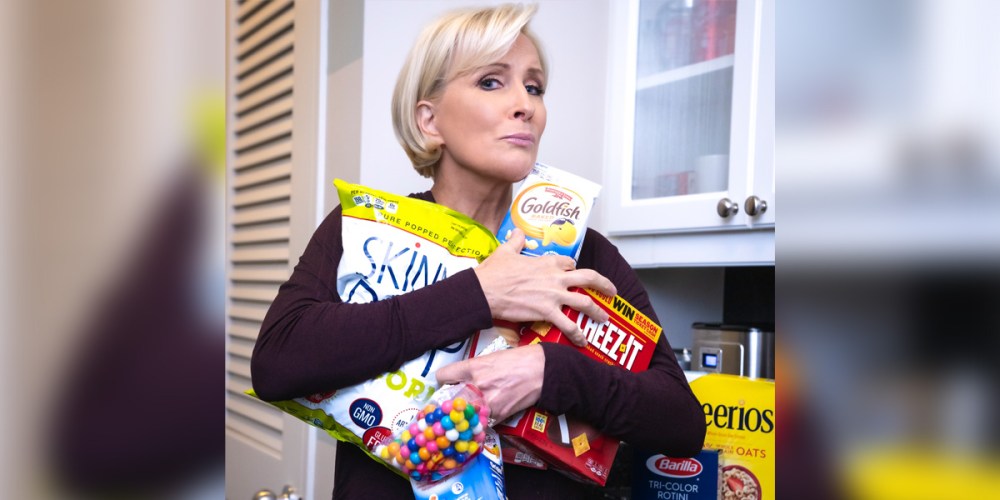
When you’re social distancing and reading all-things coronavirus on the internet, it’s easy to turn to food for comfort and escape during stressful times. With increased anxiety, mindless eating often creeps in. Unfortunately, many of these foods are high in calories, fat and sugar.
And while we’ve all seen the jokes and memes online about eating all day and finishing off the stockpile of survival snacks bought in bulk at Costco, emotional eating can negatively affect not your only your physical health, but your mental health as well.
The good news is stress eating is a learned behavior, and it can be unlearned with a little bit of preplanning. Try these “5Ds” to help stop emotional eating in its tracks.

RELATED: 5 ways to curb coronavirus-related stress and anxiety
Delay – When the urge to eat strikes, postpone eating for 10-15 minutes. It’s not a “no” to food, just stopping to think. This can help you decide if you are really hungry, or are feeling another emotion and are just trying to cope with food.
Distract – While you’re waiting, look for a non-eating activity to keep you busy. Often the “hunger wave” will pass. Clean out a drawer, take a walk, call a friend, brush your teeth, browse online or whatever helps take your mind off food.
Distance – Out of sight, out of mind is true for food. Stay out of the kitchen when you feel that urge to eat. And keep food in cabinets, not on counters – and only in the kitchen. Think of the kitchen only for food preparation and meal consumption, and not the family “hang out.”
RELATED: Locked down with your spouse? 7 ways to stay sane Determine – After your “waiting period,” consider whether you’re truly hungry or thirsty; these are often confused. Think about when you last ate or drank anything. Maybe it’s neither – it’s simply “head hunger” – and you just want to eat! You can offset that problem by creating your own structured eating schedule with pre-planned meals and snacks, knowing that there is more food coming later. Decide – If you’ve made it through the first 4Ds, now it’s time to make a smart choice. Think before you eat, and choose what you’re really looking for in a snack– a sweet, sour, creamy, salty, or chewy taste – before you make a choice. Or whether you feel like some protein (think nuts or cheese) or a starchy food (think banana or a small baked potato). For snacks, choose a single serving package to get the satisfaction of eating the “whole thing,” or portion out your serving (skip the big bag and “estimating” a serving). Aim for a portion of about 100 – 150 calories, and a choice that satisfies, but doesn’t trigger more eating. With practice, you can learn to manage your stress eating, and achieve a welcome sense of control, which is so important when you’re practicing self-care.
Madelyn Fernstrom, PhD
Madelyn Fernstrom, Ph.D., is the Diet and Nutrition editor for TODAY.
Fernstrom is a professor of psychiatry, epidemiology and surgery at the University of Pittsburgh Medical Center and a board certified nutrition specialist from the American College of Nutrition. She is the founding director of the UPMC Weight Management Center. Recommended


