









This article originally appeared on Invest in You: Ready. Set. Grow., a CNBC multiplatform financial wellness and education initiative, in partnership with Acorns.
Stephanie McKire, 60, knows how expensive cancer can be.
When she was diagnosed with breast cancer in February 2012, McKire, now retired and living in Detroit, was a quality engineer and had employer-sponsored health insurance. She soon found that, even with insurance, the copays and costs of medication and therapies added up to thousands of dollars.
McKire says people don’t realize that the cost of cancer treatment can linger even after that treatment has ended.
She is still paying off the treatment from her original diagnosis as well as a recurrence earlier this year. It will take another three years to close out her debt.
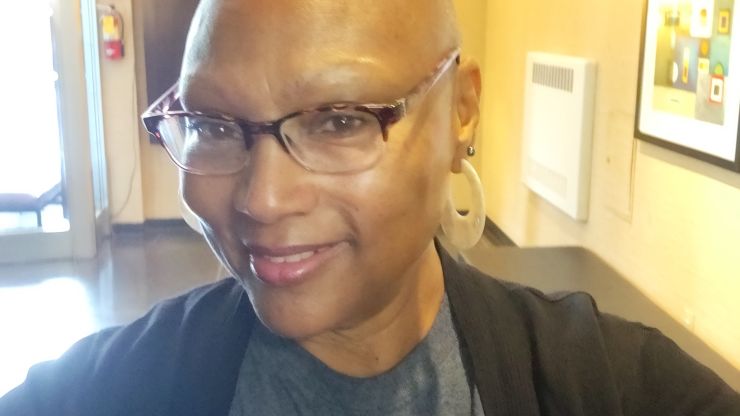
Another thing that’s not commonly known: Treatment for breast cancer is lifelong, McKire says. After chemotherapy and possibly radiation, many patients are put on a medication regimen to prevent a recurrence.
“Some of the prescriptions are for their entire lives, and there is a cost associated with this,” she said.
Molly MacDonald compares paying for cancer treatment to a game of Jenga, where players stack wooden blocks and then pull them out until the tower falls. MacDonald is executive director and founder of The Pink Fund, which provides financial assistance to breast cancer patients in active treatment. She herself underwent treatment and experienced debilitating financial side effects.
RELATED: These early breast cancer detection tools could save your life
A cancer diagnosis like pulling out a block from the tower, she says. “When one domino falls, they all fall,” MacDonald said.
Someone may have built a solid life for herself, one in which she makes careful decisions. But the diagnosis is soon followed by the removal of other supports: a higher deductible, being too sick to work, bills you can’t pay, MacDonald says.
“It all starts to wobble,” MacDonald said. “At what point does the tower collapse?
“That is my best analogy.”
Getting to appointments
One challenge that goes under the radar is transportation — often the second-largest spending category for the typical U.S. family, regardless of health issues, according to 2016 data from the Bureau of Labor Statistics.
While in active treatment and even beyond, breast cancer patients are likely to face transportation problems, according to an October survey by The Pink Fund. It polled just under 800 breast cancer patients, most in active treatment.
Nearly half said transportation costs are a barrier to receiving treatment. More than half blamed transportation issues for missing an appointment or being late.
RELATED: Nina Garcia on life post-mastectomy: ‘I’ve learned to be thankful’ for every new day
McKire leaned heavily on her family and friends to drive her to appointments when she was recovering from surgeries and was exhausted from side effects. “Without the help of these people, I would not have been able to make my appointments and treatments,” she said.
“Some providers realize they are losing revenue, and patients aren’t adhering to treatment,” said MacDonald, and are scouting different strategies, such as a car service.
Uber’s health division may be helping to meet this need, but patients will generally still be on the hook for the fare.
You may be under-insured
Being under-insured is a main issue, according to Dan Sherman, a financial navigator at Mercy Health St. Mary’s in Grand Rapids, Michigan, and it’s extremely common.
Out-of-pocket maximums increase like clockwork. For example, the maximum out-of-pocket for individual Affordable Care Act plans will rise to $8,150 in 2020 from their current $7,900. That number for high-deductible plans paired with a health savings account will be $6,900 next year, up from $6,750 in 2019.
Individuals who are fortunate enough to have employer coverage may fare better.
When you choose a plan, you don’t always think about how these will play out in an actual illness, MacDonald says.
“The top thing most people consider is, ‘Can I afford the premium?’” MacDonald said. “I’ve done it myself. I can’t afford the higher premium — I just hope I’m not going to get sick.”
Meeting a high deductible can be especially difficult, when you consider that many Americans cannot put their hands on $400 cash for an emergency.
The fallout of this financial toxicity may have a serious impact on the patient’s treatment and health, Sherman says. It affects a patient’s sense of well-being and may actually result in people not getting all the treatment they need, according to hisresearch.
It’s commonly thought that financial toxicity stems from the burden of challenging medical costs, yet it’s actually lost income. Breast cancer patients may find themselves unable to work, and not everyone is able to access paid time off. “It varies widely from patient to patient,” MacDonald said. “Some people have chemo and can take a few days off, and others are knocked off their feet for weeks.” When decreased income collides with the relentless drip of associated medical bills, that is the steep cliff, MacDonald says. “In my case, I couldn’t make my car payment, and my creditor was calling,” MacDonald said. The thought her car might be repossessed was frightening. “I could probably get a ride to treatment, but if they took my car I wouldn’t be able to get to work.” Most types of cancer carry a lot of intertwined treatments and therapies. Some treatments may cause side effects that then make further treatments necessary. Every cancer is challenging, MacDonald says, but breast cancer has even more complexity because many women choose to go through reconstruction. “That doesn’t happen with other types of cancer,” she said. But reconstruction comes with its own challenges: more surgeries, more cost and more risk. “It can fail, there can be infection,” MacDonald said. Our health insurance system is very complex, says Sherman. Many patients may find it hard to manage paying high deductibles and a lot of copays. With coinsurance, you continue paying a percentage for all treatments, even after meeting the deductible, until you meet the out-of-pocket maximum. A financial navigator can help you get some financial relief if you are on Medicare — patients are sometimes eligible for government assistance programs — or if you get insurance through the Affordable Care Act exchange. “ACA [plans] are based solely on income,” Sherman said. “There’s out-of-pocket subsidies available if you’re at a certain percentage of the federal poverty level. A navigator can contact the ACA and help access these.” Commercial insurance through your employer generally cannot be changed. A navigator can probably help you get some relief via premium or copay assistance, Sherman says. Hospitals that have a patient navigator generally offer the service for free. Most patients are hit with expenses that insurance does not meet. To make sure she didn’t contract an infection, McKire had to pay to have her screens and ceiling fans cleaned. Her bathroom needed modifications to allow her easier access to the bath. “I couldn’t stand for long periods of time,” she said. She also had additional transportation costs for bimonthly shots of Herceptin, an antibody used in chemotherapy. Certain types of bandages or adequate coverage for a wig may not be covered, says MacDonald. “Patients cannot always get what they need to make them feel good about themselves.” Patients usually turn to organizations, including charity care from hospitals, as well as help from family members and friends. Financial assistance from The Pink Fund paid McKire’s bills during her treatment and without it, she would not have been able to pay her mortgage and other critical obligations. “I describe all those as scaffolding trying to keep you upright during this time,” MacDonald said. Disclosure: Invest in You: Ready. Set. Grow. is a financial wellness and education initiative from CNBC and Acorns, the micro-investing app. NBCUniversal and Comcast Ventures are investors in Acorns.
Jill Cornfield, CNBC Recommended


Lost income
Treatment is complex
How to tweak your insurance

Insurance doesn’t cover everything
