








Thousands of prisoners in California are on a hunger-strike, protesting treatment and conditions at facilities across the state. The chief complaint is solitary confinement, and its indefinite use.
“It causes tremendous mental pain and suffering and it causes physical harm. People who can’t sleep, people who are under this kind of stress—it’s going to shorten their life,” says Professor Jules Lobel, President of the Center for Constitutional rights, who’s brought a federal lawsuit over solitary confinement.
According to SolitaryWatch.com the typical cell in Pelican Bay State Prison near the California-Oregon border consists of “concrete: the bed, the walls, the unmovable stool. Everything except the combination stainless steel sink and toilet. It is no more than 8 feet long and wide.”
Shane Bauer was an American hostage in Iran and he says what he saw in California scared him.
“The cells in Pelican Bay are smaller than the cells I inhabited. There’s no windows in these cells. I’ve met people in Pelican Bay that have not seen a tree in twelve years,” Bauer said on Melissa Harris-Perry Saturday.
“Shane Bauer was in solitary for four months. I have almost 100 prisoners, who are my clients, who’ve been in solitary for 20 years, in a small windowless cell, never being able to see a tree. And they’re there, not because they’ve committed some heinous act while they’re in prison, but they’re there simply because they have some [gang] association, could be very loose and ill-defined, like having a piece of artwork of an Aztec warrior or having a birthday card from a friend,” Lobel said.
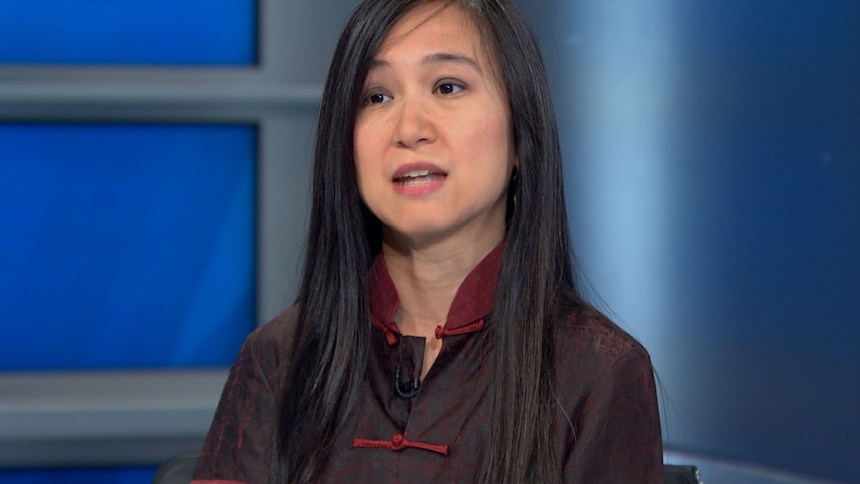
Solitary confinement isn’t the only issue. According to a study by the Center for Investigative Reporting, 150 female prisoners in California were sterilized without required state approvals. “We see again and again, that women in prison are being deemed as not being able to take control over their own bodies,” Victoria Law said on Jansing & Co. Law, the author of Resistance Behind Bars, is an advocate for prisoner support. “Women have talked about being pressured into having hysterectomies to have cysts removed, and when I asked if there were alternative treatments they told me that they weren’t offered any. This was in the 1990’s,” Law said, “Women have talked about being shackled and chained while giving birth to their children, simply because they’re incarcerated. Women have talked about being denied abortions when they’ve asked for them unless they can get a court order and in some cases pre-pay for their transportation costs.” Last Thursday, a judge ruled California wasn’t providing proper medical care for its inmates, including basic needs, like clean water. And according to The New York Times, federal courts have also demanded the release of nearly 10,000 inmates are at risk of contracting a deadly disease in the state’s overcrowded prison.
Kristin Donnelly Recommended


