









When you walk into Bilt headquarters on Bond Street in Manhattan, it feels like pre-pandemic times. A small group of young employees at the fintech startup sit on a couch talking about their latest projects. Others are busily typing away at their computers, pausing occasionally, to look up and ask questions to each other. Some gather to eat lunch. Slack and Zoom are largely a thing of the past.

“Being able to sit and look at each other and have a discussion in person diffuses tension 10 times faster than if you were responding passively aggressively over text, Slack, e-mail threads or Zoom calls,” said Ankur Jain, founder and CEO of Kairos, a venture fund behind the company…Sometimes, all it takes is a smile or apology in person to quickly move past a work situation that would otherwise create internal politics.”
It’s one of the big reasons why Jain, back in the fall of 2021, implemented an in-office policy for his approximately 50 New York-based employees, almost half of who are millennial women.
Bilt, however, is somewhat an anomaly. Nearly two-and-a-half years after the Covid-19 pandemic upended much of the world, only 4 percent of employers are mandating their employees come back to full-time, in-person work. While remote and hybrid work have been a blessing to many, including caregivers, parents and those who want to escape long commutes, workforce experts say young employees – and particularly women – are at a disadvantage.

That’s because women are more likely to opt for remote work. But there is a bias favoring those who are in the office compared to those who are not. That can keep remote workers from getting mentorship opportunities, promotions and leadership positions. Ruchika Tulshyan, author of “Inclusion on Purpose: An Intersectional Approach to Creating a Culture of Belonging at Work,” said for some women of color in particular, the virtual environment can cause greater invisibility.
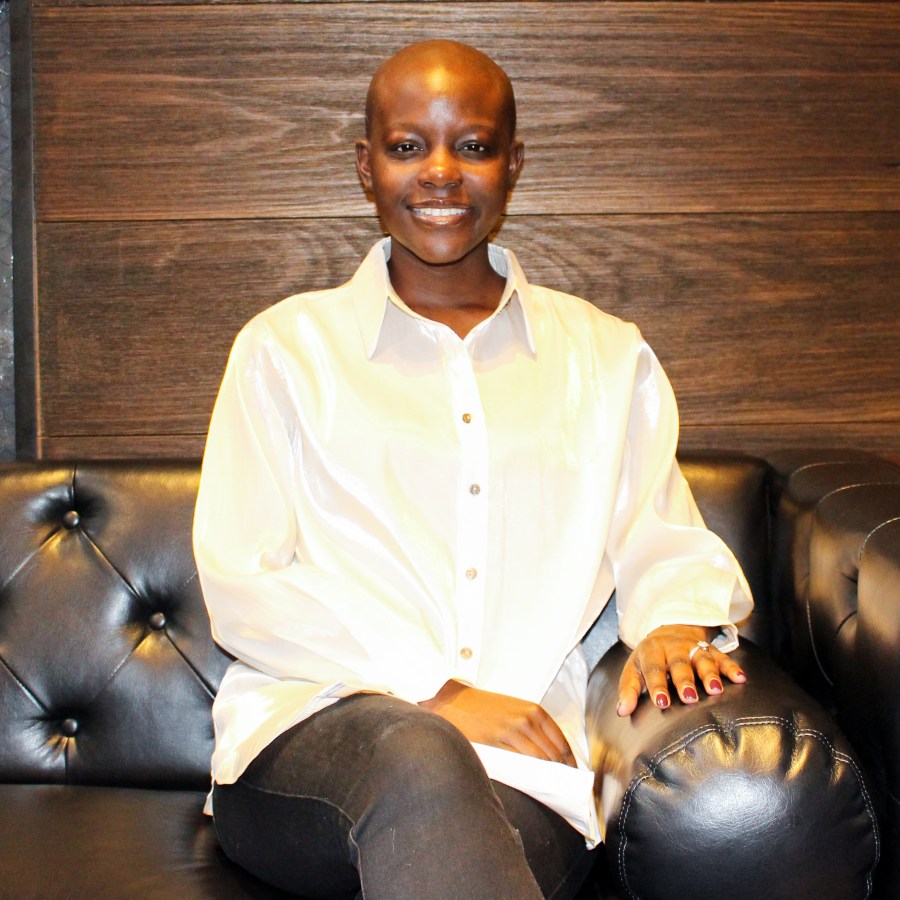
“I’m much more creative when in the office,” said Jessica Okoth, a senior director at Bilt who is in her early 30s. “I’m fueled by other people’s thoughts and suggestions, and it really has a positive effect on the work I’m doing and the relationships I’m building…”
Samantha Barbaccia a director at the startup, said when she was working from home during the throes of Covid-19, she feared “being out of sight, out of mind.” Barbaccia, added, “I [missed] the healthy competition that pushed me to consistently be better, the opportunity to learn something from a colleague while grabbing a water in the kitchen, or listening to how they solve and navigate issues…””
But many young employees do not share the same favorable feelings Barbaccia and Okoth have about remote work. According to research by Axios, 83 percent of millennials, compared to 66 percent of Gen Zers,75 percent of Gen X and 68 percent of Boomers say they prefer remote work.
Companies are also feeling the pressure to cater to employees who are now accustomed to work-from-home policies. According to Microsoft’s March 2022 Work Trend Index report, there is a disconnect between leadership and employee expectations surrounding remote work. The majority of managers — 74 percent — said they don’t have the influence or resources to drive changes on remote work policy for their employees. And 54 percent of managers said leadership is out of touch with employees’ needs.
There’s no doubt that we’re currently in the middle of a workplace revolution. But as workplace policies are still getting fleshed out, what can young employees do to make sure they’re getting ahead and getting noticed, especially if they are working from home?
First, it’s important to keep your manager and team in the loop on what you’re accomplishing. Tulshyan said one way to do this is to share a weekly “status update,” which lays out the work you’ve done and what’s coming up. While some employees may feel like expressing their wins outside of performance review time is uncomfortable, Tulshyan said our remote work environment has made it more than OK, even necessary, to articulate our value. “This was something more of us needed to do, even in-office, so we should take this as an encouragement to do that. I also use the ‘chat’ function a lot in virtual meetings, both as a way to remain visible but also to feel engaged in the conversation, even if I’m not presenting or it’s a larger meeting…” Denise Hamilton, CEO and founder of Watch Her Work, echoed that sentiment. “Send recap emails and copy the right people that need to understand what you’re bringing to the table. Remember, problem solvers get promoted. Don’t let distance edge you out.” Hamilton also encouraged young professionals to go into the office whenever they can and connect with as many people as possible. “From the CEO, to the assistants, to accounting, to marketing, you need allies in these areas. Bury your roots deep so no one can forget your name. It’s your job to develop a true connective tissue. Relying on a manager who may or may not have the skills to anchor you in the organization when you’re not physically sharing the space is a risk I wouldn’t take if I didn’t absolutely have to.”
Daniela Pierre-Bravo
Daniela Pierre-Bravo is a journalist and author and founder of Acceso Community. She is a co-author of “Earn It” with Mika Brzezinski. Her solo book, “’The Other: How to Own Your Power at Work as a Woman of Color,” is out now. Follow her on X and Instagram @dpierrebravo. Recommended


