








Going into the sequester, many legislators made a gamble. They bet that once the cuts started to take effect, the pain would be so widespread that public pressure would force both sides to come to the table and make a deal.
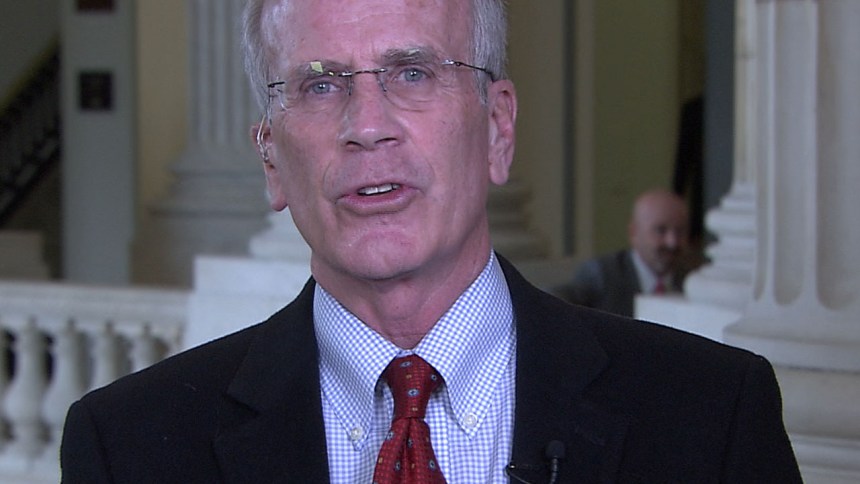
Congressman Peter Welch (D-Vt.) acknowledged Wednesday that congressional Republicans haven’t reacted the way some expected to pressure from the sequestration, specifically significant cuts to defense spending.
“The calculation that the defense cuts would be so severe for the Republicans that they’d agree to an alternative turned out not to be true,” Welch told The Cycle’s Steve Kornacki. “It’s a very interesting situation because it shows how really extreme the Republican Tea Party style commitment is to cutting budgets.”
The sequestration includes $85 billion in cuts this fiscal year alone. In total, the automatic spending reductions will trigger $1.2 trillion in cuts over the next 10 years. About 27% of that is defense discretionary spending, 42% is non-defense discretionary spending, 16% are lower interest costs, and 11% is cuts to medicare, according to a Pew analysis of Congressional Budget Office data.
Cancelled White House tours may dominate national headlines, but this video from Buzzfeed paints a very different picture of the human cost, with a montage of clips from local news stations across the country reporting on sequester damage to their hometowns.
Automatic spending cuts have already taken a toll on Welch’s home state of Vermont. The Champlain Valley Agency on Aging, which helps Meals on Wheels, says they they are getting hit with a 5.5% reduction in federal funds, which amounts to $85,000, according to local TV station Fox 44/ABC 22. The cuts also forced the “Wings Over Vermont” air show to cancel, NECN reported. And about 1,000 unemployed workers will be affected by cuts to Federal Emergency Unemployment Compensation (EUC) benefits, according to Vermont Business Magazine. “This is very dumb. One hundred percent of Congress thinks it’s a dumb way to make cuts, yet it’s happening,” said Welch. He also told The Cycle hosts that raising the medicare eligibility age is a “bad idea,” saying, “a lot of studies show it doesn’t actually save money. And I think in fact if anything, the real focus here has to be on trying to bring the costs down.” He suggested instead implementing price negotiation for prescription drugs in medicare, similar to what’s done with medicaid. The practice isn’t currently allowed due to a “noninterference” provision in the Medicare Modernization Act (MMA) of 2003, which prohibits the federal government from negotiating directly with pharmaceutical companies for lower drug prices. You can watch the full interview with Rep. Welch in the player above.
Kailani Koenig Recommended


