








Nearly 1 million deaths. Millions of Americans dipping in and out of poverty. Families struggling to keep their homes.
There’s an endless number of ways to quantify the losses we’ve incurred since Covid-19 was declared a pandemic two years ago.
And yet, as many public officials encourage Americans to move beyond the pandemic and regain a sense of normalcy, there’s little regard for the losses that linger and that are harder to measure.
A return to normalcy, we’re told, will do us all some good. But none of us are the same people we were before Covid took hold of the planet.
I’ve spoken at length with Dr. Uché Blackstock, founder and CEO of Advancing Health Equity, about humane approaches to curbing Covid. Last week, she described the losses Americans have suffered during this pandemic as “more expansive and profound than we can ever imagine.”
She’s not just talking about a loss of wages here. Instead, to use that example, she’s focused on the prolonged psychological impact a loss of wages can have: the feelings of isolation and worry that grip people forced to go without.
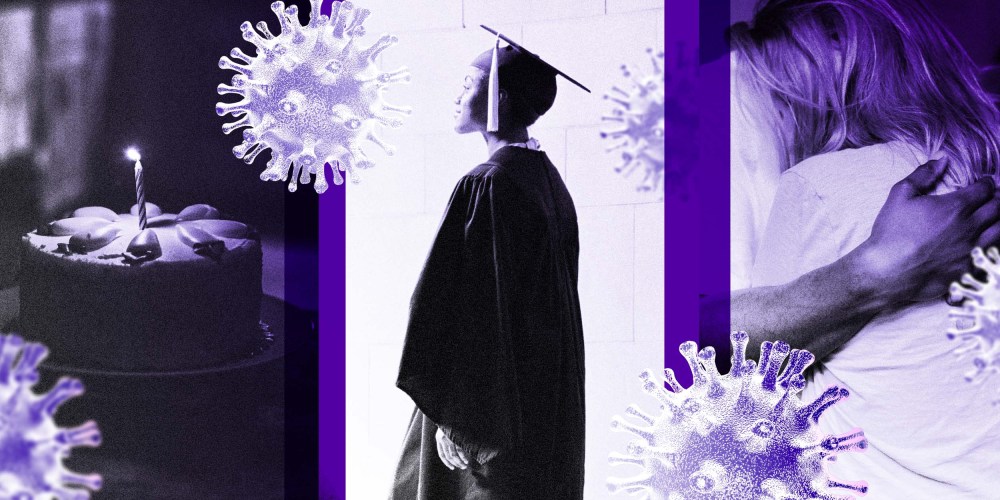
She’s referring to people who have died from Covid and the experiences their loved ones will never share with them. She’s talking about birthday parties, and graduations, and missed births, and other momentous occasions that have been irretrievably lost these last two years.
She’s talking about the psychological impact of not being able to show affection, to hug loved ones, for fear of contracting the virus.
“We need to start thinking about what those experiences — or the loss of those experiences — have done to us, and the trauma that we have experienced without even really acknowledging it,” Blackstock said. “I think one or two ceremonies where we acknowledge this is insufficient. We need to be talking about loss on a regular basis.” So often officials have used the concept of pandemic-era losses as a political tool to force people back into old routines. A return to normalcy, we’re told, will do us all some good. But none of us are the same people we were before Covid took hold of the planet, and it’s a fools’ errand to pretend we ever will be. Lawmakers and public health officials must acknowledge all we’ve lost and facilitate ways for the country to recover. The answer can’t just be to go outside and play. We need policies sensitive to the trauma we’ve all endured to help society begin to heal. Discussion is the first step. That’s why Blackstock and I collaborated on The ReidOut Blog’s first video diary. In it, you’ll find people from different walks of life explaining what the past two years were like for them, their loved ones, or people in their field of expertise. Check it out below.
Ja’han Jones is an MS NOW opinion blogger. He previously wrote The ReidOut Blog. Recommended


