








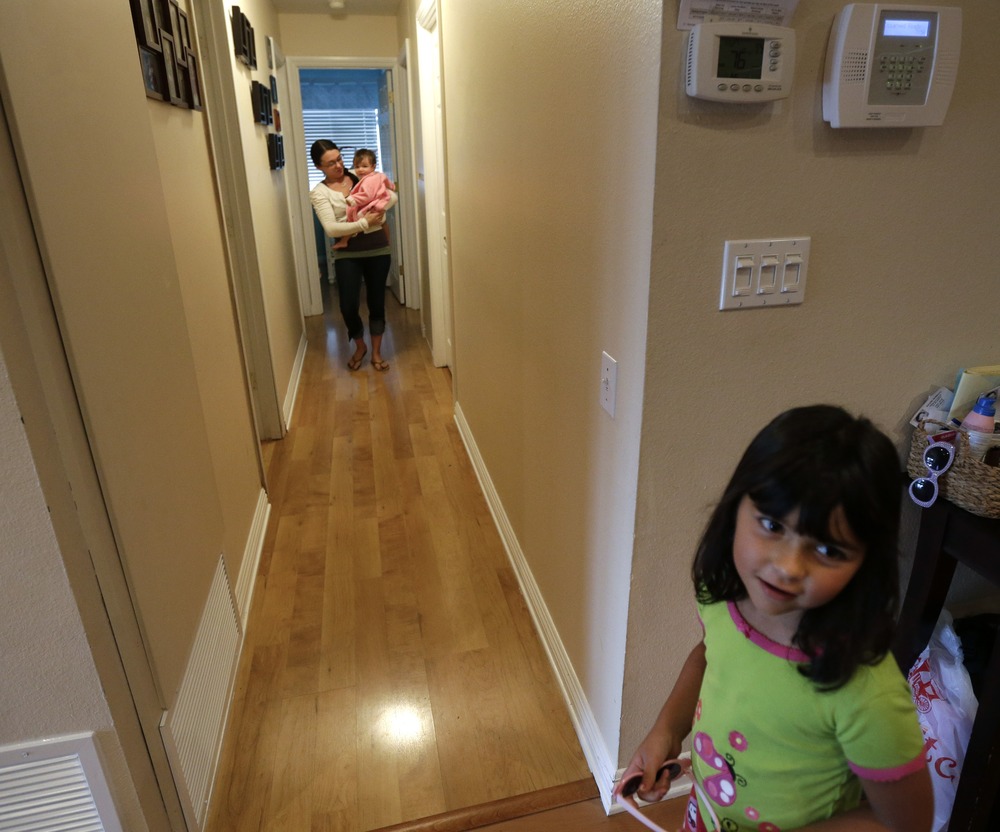
A recent study from the National Domestic Workers Alliance (NDWA) and several other organizations aims to provide the first comprehensive look at the struggles of domestic workers nationwide.
The report [PDF], released on Tuesday, is based on a survey of over 2,000 domestic workers—including home caregivers, nannies, and housecleaners—in 14 metropolitan areas across the United States. NDWA director Ai-jen Poo told msnbc that such a study is unprecedented.
“There’s never before been research done on this workforce,” she said. “Which is due to the nature of the workforce, which is largely in the shadows and excluded from labor protections.”
Domestic work can be difficult to track because it often occurs informally, without written contracts or easily identifiable workplaces. According to the report, “just 8% of workers have written contracts with their primary employers.” Furthermore, “[e]mployers often regard contracts and agreements as non-binding.”
Myrla Baldonado, a home caregiver based out of Chicago, interviewed eleven other domestic workers for the report. She said that she had witnessed and experienced routine abuse throughout her five years in the domestic work sector. Her own experiences included “abuse, endless hours of work, very low pay, and not being regarded properly,” she said. “I really wanted to be respected as a caregiver and feel like I’m part of the family.”
Baldonado, who emigrated from the Phillipines in 2007, said that she had been completely surprised by the hardships and indignities of domestic work in the United States. Some of the jobs she took paid only $110 hours a day (with no benefits), but required that she remain on call 24 hours a day.
Baldonado’s situation is far from unique. According to the new study, 23% of domestic workers make less than the state minimum wage, and nearly half are paid “below the level needed to adequately support a family.” Employers routinely withhold compensation or refuse to pay overtime.
Poo described the domestic work as the “Wild West”: an egregiously under-regulated sector in which employers can get away with practically anything. “If you happen to get a good employer, you’re in good shape,” she said. “But you might get the other end of the spectrum, and there’s nothing mediating that relationship.”
Unlike employees in most other industries, domestic workers are not protected under the National Labor Relations Act. That law, passed during segregation, specifically excluded agriculture and domestic work from its legal protections because most workers in those industries were people of color. In addition, the Fair Labor Standards Act excludes domestic workers from key overtime pay protections. Poo said the NDWA is trying to improve conditions for domestic workers by raising awareness and influencing policy—two goals which the NDWA hopes this report will help accomplish. The domestic workers movement has already met some success in New York state, where the state legislature passed a Domestic Workers Bill of Rights in 2010. California governor Jerry Brown, a Democrat, vetoed a similar piece of legislation about two months ago, but Poo said that the California legislature would be revisiting the law during the next legislative session. In addition, Massachusetts and Illinois’ legislatures would be introducing their own domestic workers’ bill of rights in 2013. In the short term, however, there is a lot that can be done without legislation, said Poo. “There are things employers can do right away, things agencies can do right away,” she said. For example: “Starting tomorrow, employers can find out about how to do one step better by their domestic workers, or try to find out the living wage and try to pay them that.” Improving the conditions of domestic work matters for more than just domestic workers, said Poo. As the U.S. population ages, “there’s going to be a growing demand for long-term care, but especially home-based care.” “In some ways, you could think about the manufacturing industry in the 20’s and 30’s, and how defining that was of the economy as a whole,” she said. “We believe that this kind of care work is equally as defining in this economy.”
Ned Resnikoff is an urban policy analyst, researcher, writer, and editor. His byline has appeared in a variety of publications, including the New York Times, San Francisco Chronicle, Dissent, and The Nation. He writes the newsletter Public Comment, which can be found at publiccomment.blog. Recommended


