









It’s been a couple of weeks since the New York attorney general’s office accused Donald Trump’s charitable foundation of being little more than a slush fund, which, among other things, made illegal in-kind contributions for Trump’s campaign. The scope of the legal issues raised by the New York court filing are still coming into focus.
There are, of course, questions surrounding the president and his family allegedly running a fraudulent charitable entity. There are additional questions about violations of federal election law, which appear to have been quite flagrant.
But what may be one of the most difficult legal angles is an issue that has long been a trouble area for Trump: tax returns.
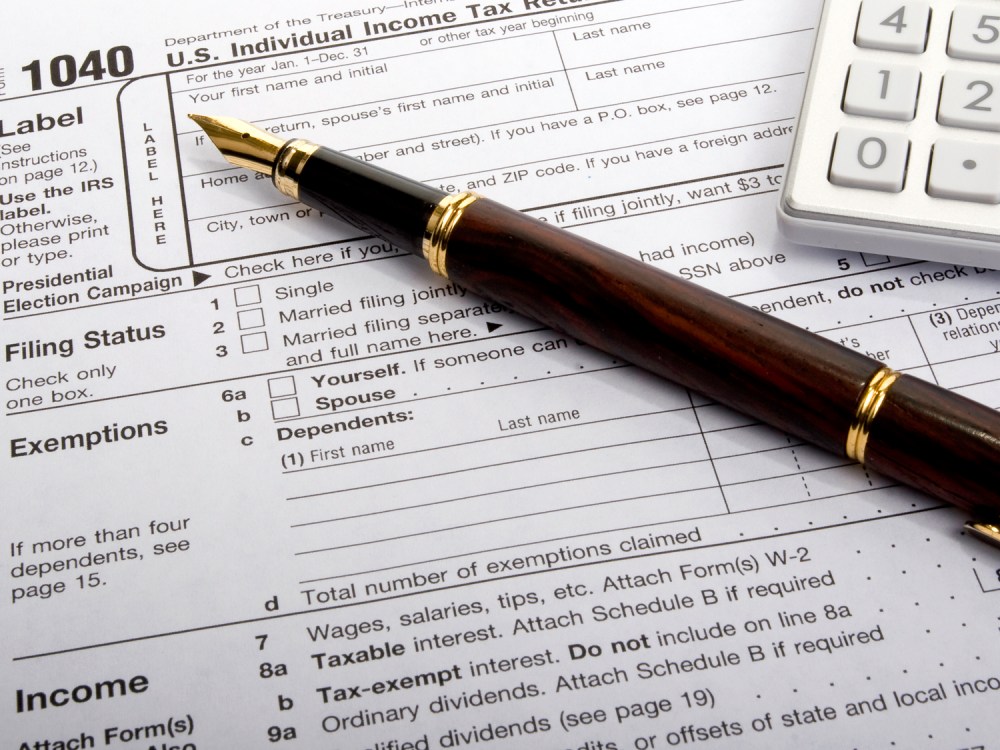
As the New York Times recently reported, the president personally signed federal tax returns swearing that his foundation wasn’t used for political and/or business purposes, and we now know there’s quite a bit of evidence that suggests it was used for both. Indeed, the article added that when he signed those tax documents, Trump stated, under penalties of perjury, “that the foundation did not engage in transactions with interested parties, and that the foundation did not carry out political activity.”
The Washington Post‘s David Fahrenthold added the other day that Trump’s signature appeared “just below a stern warning from the IRS: Providing false information could lead to ‘penalties of perjury.’”
In 2007, 2012, 2013 and 2014, the Donald J. Trump Foundation stated that none of its money had been used to benefit Trump or his businesses. But the New York attorney general found that, in each of those years, Trump had used his charity’s funds to help one of his businesses. In 2013, the attorney general alleged, Trump also failed to disclose an improper gift to a political group. This suggests we’re not just talking about a possible one-time bureaucratic slip-up. Trump and his family stand accused of running a fraudulent charitable operation and repeatedly lying in official legal documents about the nature of the foundation’s work. The Post‘s article added, “It is a felony to knowingly file a false tax return, with potential penalties of up to $100,000 in fines and up to three years in prison. In rare cases — where prosecutors could prove the falsehood to be deliberate — people have been convicted of signing false tax returns.” This is entirely in line with what Jenny Johnson Ware, a criminal tax attorney in Chicago, told the New York Times earlier this month: “People have gone to prison for stuff like this, and if I were representing someone with facts like this, assuming the facts described in this petition are true, I would be very worried about an indictment,”
Steve Benen is a producer for "The Rachel Maddow Show," the editor of MaddowBlog and an MS NOW political contributor. He's also the bestselling author of "Ministry of Truth: Democracy, Reality, and the Republicans' War on the Recent Past." Recommended


