








For reasons I’ve never fully understood, the most serious domestic terrorist threat since 9/11 never became the major news story it deserved to be. That’s a shame — convictions like these are important for more reasons than one.
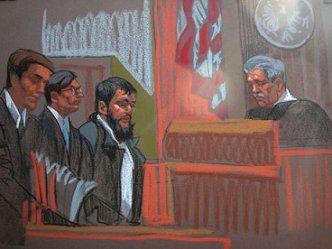
An American citizen was convicted of a host of terrorism charges on Tuesday for participating in a plot to stage suicide attacks in the New York subways, an effort that prosecutors said was stopped just days before three former high school classmates from Queens planned to set off homemade bombs during the rush period.
The two-week trial in Federal District Court in Brooklyn offered a rare look at the evolution of a terrorist plot and the workings of Al Qaeda training camps where the former classmates received their orders.
The plot began after the defendant, Adis Medunjanin, a naturalized citizen born in Bosnia, went to Pakistan with two friends from high school with the intention of fighting American troops in Afghanistan. The two friends testified that they were instead recruited to attend a Qaeda training camp, where they were told they would be far more valuable to their cause by returning to the United States to carry out an act of terrorism.
Medunjanin, who was convicted on all counts, had coordinated the terrorist plot with Najibullah Zazi and Zarein Ahmedzay, both of whom had already pleaded guilty in their plot.
So, why was this largely overlooked, even in a political world that finds it easy to exploit domestic terror plots? It might have something to do with how well the system worked, which made it tough for even the most hysterical conservative critics to complain.
In this case, three would-be terrorists very nearly executed a deadly plot in September 2009. This wasn’t a hypothetical or aspirational threat — the men had already assembled the bomb components, chosen their targets, and planned to detonate them in New York’s subway system during rush hour just days before the were taken into custody. Law enforcement officials concede it was the most serious threat had Americans faced in years.
But the process worked exactly as it should, undermining the arguments from the right that the process is fundamentally inadequate and ill-prepared for cases like these.
Obama administration officials identified the suspects, not through illegal wiretaps, but through legal intelligence gathering. The suspects were arrested, and read their rights, before anyone was hurt. The accused weren’t shipped to Gitmo; they faced criminal charges, and they had attorneys who represented them in civilian courts, not military commissions. The legal proceedings worked exactly as they were designed to work, and the cases helped U.S. officials obtain valuable information — not through torture, but through legal means. Now, three men who very nearly killed a lot of people, will be locked up — on American soil, in American prisons — after being convicted by an American jury. This should, in theory, generate widespread outrage from the right, which has railed against the notion of treating counter-terrorism as a law enforcement issue. So why are the Cheneys, Rudy Giuliani, Fox News personalities, and other Republicans saying so little? Because the justice system that they find offensive worked beautifully. The rule of law worked, and that doesn’t bolster the GOP’s counter-terrorism talking points.
The place for in-depth analysis, commentary and informed perspectives. Recommended


