










As is usually the case, one of the key sticking points with President Joe Biden’s infrastructure plan is figuring out how to pay for it. On CNN this past week, Dana Bash reminded Sen. Joe Manchin (D-W.Va.) about struggling conditions in his home state and asked whether he’d endorse higher taxes on the wealthy to help offer lifelines to many of his constituents.
The conservative Democrat hedged a bit, complaining that the IRS has been “eviscerated,” to the point that hundreds of billions of dollars in tax revenue is “not even collected.” Manchin added, “All of these things should be explored before we start just raising taxes exponentially.”
At first blush, the senator’s comments seemed discouraging. Raising taxes on the wealthy and big corporations to finance infrastructure investments is a popular and worthwhile idea, but Manchin seemed skeptical of such an approach, despite his ostensible support for an “enormous” infrastructure bill.
That said, the West Virginian’s stated point wasn’t wrong: the IRS has been gradually undermined for years, which in turn has made it far more difficult for the agency to be aggressive in pursuing possible tax cheats, which in turn has meant less revenue for policy priorities.
Spending a little more on the IRS would almost certainly mean a lot more money for the treasury. As Catherine Rampell explained in a column last month, “How do you raise tax revenue without raising taxes? By increasing enforcement of existing tax law and making sure every penny already owed gets paid.”
The point has not been lost on the White House. President Joe Biden will formally unveil his American Family Plan tonight — an ambitious package that would invest roughly $1.8 trillion in universal preschool, free community college, and expanded access to child care, among other domestic priorities — and as the New York Times reported, the IRS is key piece of the puzzle.
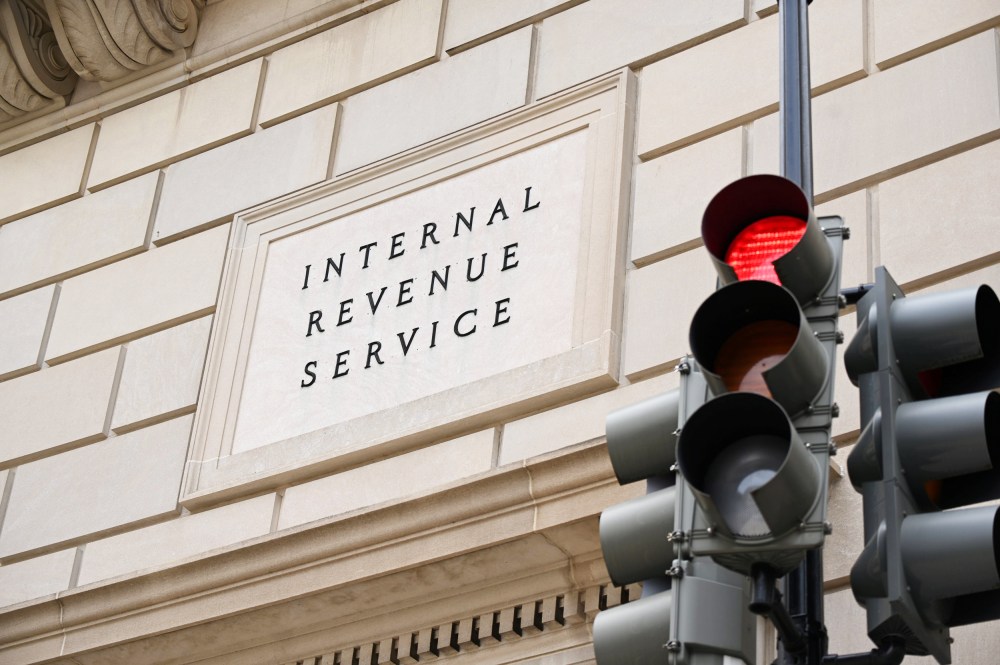
President Biden, looking to pay for his ambitious economic agenda and shift more of the nation’s tax burden to the wealthy, will propose giving the Internal Revenue Service an extra $80 billion and more authority over the next 10 years to help crack down on tax evasion by high-earners and large corporations.
This would represent a nearly 70% increase over the funding the IRS already receives, and the Times‘ report added that, according to the Biden administration, “that financial lift could net an additional $700 billion in tax revenue over the next decade.”
To be sure, the White House is eyeing other tax increases — which is to say, rollbacks of Republican tax cuts — but if strengthening the IRS, allowing the agency to simply enforce the tax laws already on the books, can net an additional $700 billion, it’d go a long way toward financing the president’s plans. With Manchin’s comments from Sunday in mind, it would also reduce some of the need for new tax revenue. Just as importantly, it would reverse a misguided, multi-year shift. Vox summarized how we arrived at this point. The IRS’s total budget is down by some 50 percent since 1993 as a share of gross tax collections, and appropriations for the IRS — adjusted for inflation — have fallen by 20 percent since 2010, and after Republicans in Congress sought to curtail its budget. It’s lost thousands of enforcement staff. And its enforcement abilities directly affect revenue, not only by collecting unpaid taxes but also by influencing behavior. If people know that the IRS is going to come after them for skirting taxes, they’re less likely to try it. [IRS chief Charles Rettig] told the House Ways and Means Committee at a recent hearing that the number of examining revenue agents, who are tasked with handling complex cases, fell by 35 percent since 2010, and field collection revenue officers, who manage the harder collection cases, fell by 48 percent. The audit rate for millionaires fell from 8.4 percent in 2010 to 2.4 percent in 2019. Republicans probably won’t be pleased by the idea of a more robust IRS, though I’ll be eager to hear their arguments against improved enforcement of existing tax laws.
Steve Benen is a producer for "The Rachel Maddow Show," the editor of MaddowBlog and an MS NOW political contributor. He's also the bestselling author of "Ministry of Truth: Democracy, Reality, and the Republicans' War on the Recent Past."
Latest Post
Recommended


