









For three years, the Senate confirmation process for Donald Trump’s nominees — to the judiciary, to cabinet posts, to ambassadorial positions, etc. — has been both predictable and easy. The president makes a far-right pick, the White House sends the choice to Capitol Hill, and the Republican-led Senate serves as a rubber stamp. No muss, no fuss.
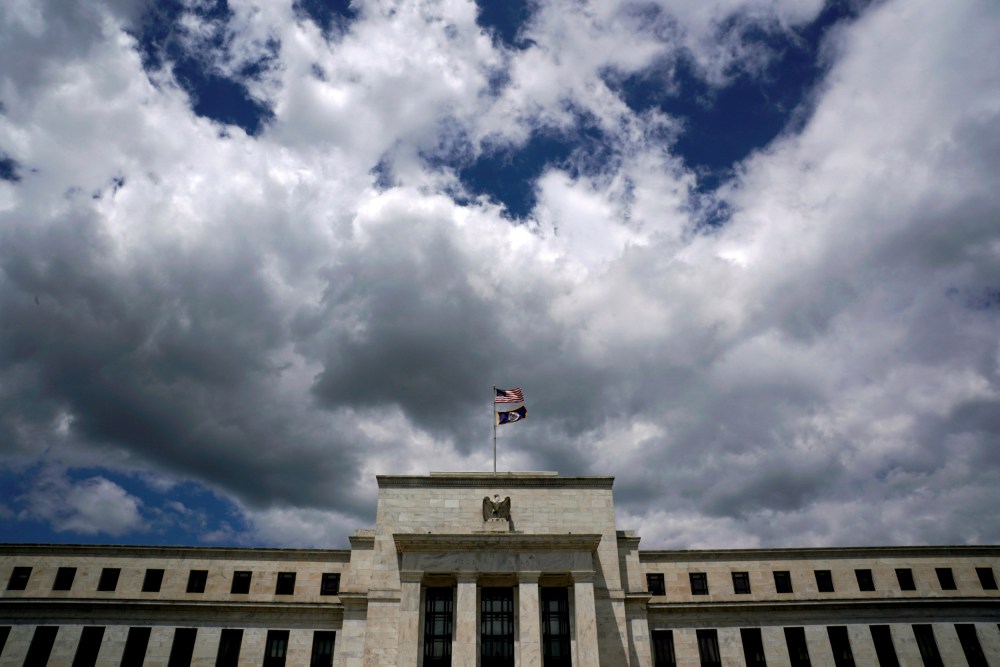
Once in a great while, though, there are some striking exceptions. The Wall Street Journal reported, for example, on Judy Shelton’s Federal Reserve nomination, which wasn’t especially well received by the Senate Banking Committee yesterday.
Republican senators dealt a significant setback to one of President Trump’s nominees to the Federal Reserve Board when they raised concerns over her writings and public statements at a confirmation hearing Thursday.
Lawmakers of both parties on the Senate Banking Committee said they were uncomfortable with at least some of Judy Shelton’s policy preferences.
Roll Call added that Sens. Pat Toomey (R-Pa.), Richard Shelby (R-Ala.), and John Kennedy (R-La.) were among those who expressed disappointment with Shelton, a former Trump campaign adviser.
Note, the Senate Banking Committee has a partisan split of 13 to 12. If one or more Republican members of the panel opposes the nominee, she will not have the committee’s backing and she’d be unlikely to receive a confirmation vote on the chamber floor.
To understand why Shelton is such a provocative choice, the Washington Post‘s Catherine Rampell had a good column on the nomination this week, explaining that Shelton’s opinions on interest rates tend to vary based on which party controls the White House; she’s made bizarre comments about the gold standard; and she’s expressed an eagerness to end the Federal Reserve’s role as an independent body, instead preferring “a more coordinated relationship” between the White House and the central bank.
“In short,” Rampell wrote, “Shelton is an opportunist and a quack.”
Complicating matters, Shelton has also suggested she does not believe economic statistics produced by the U.S. government, and in an argument bound to trouble most Republicans, she wrote a column in 2000 making the case that the United States doesn’t necessarily need borders.
Naturally, this leads to two questions. First, will Senate Republicans confirm her anyway? The odds appear to be against it, though an amazing number of GOP senators — including some who recognize some of Shelton’s nuttier positions — are inclined to support her, apparently because Trump wants them to. Second, why in the world did the president, on the heels of two ridiculous and failed choices for the Federal Reserve — take a bow, Stephen Moore and Herman Cain — choose another strange nominee? It’s difficult to answer this question with confidence, though it’s worth noting for context that the White House appears to have no meaningful vetting process at all. Or put another way, there’s no reason to assume Team Trump was even aware of Shelton’s more idiosyncratic beliefs when the president nominated her for the powerful post.
Steve Benen is a producer for "The Rachel Maddow Show," the editor of MaddowBlog and an MS NOW political contributor. He's also the bestselling author of "Ministry of Truth: Democracy, Reality, and the Republicans' War on the Recent Past."
Latest Post
Recommended


