








So, is it over? After a year of campaigning and three months of voting, can we finally say the race for the Republican presidential nomination has ended?
It’s an unsatisfying answer, but it depends on how you look at it.
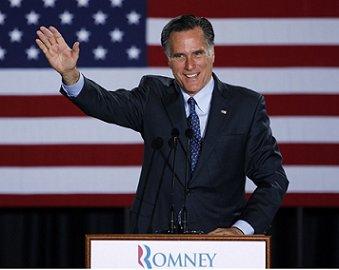
For most of us, of course it’s over, and it’s been over for quite some time. Mitt Romney followed a familiar script — heavily outspend his rivals and rely on a superior campaign organization — to cruise to easy wins in Wisconsin, Maryland, and D.C. yesterday. In the process, the former governor picked up a whole slew of new delegates, giving him a commanding lead over his GOP rivals.
More important than these results, though, is the larger context: the Republican Party has lost its appetite for this nomination fight, and has effectively demanded its completion. They don’t love Romney, they don’t trust Romney, and they don’t even seem to respect Romney, but GOP officials are well aware of the fact they’re stuck with him anyway.
The race may continue in a literal sense, but for all intents and purposes, the general election phase is underway — Romney is joint fundraising with the RNC; President Obama and his allies are going after Romney by name; and the political establishment in both parties now effectively considers the other GOP candidates invisible.
But then there’s the flipside.
Romney has a commanding lead, but he’s still only about halfway to the 1,144 delegates he needs to officially wrap things up. Indeed, Rick Santorum told supporters last night, “We have now reached the point where it’s halftime. Half the delegates in this process have been selected, and who’s ready to charge out of the locker room in Pennsylvania for a strong second half?”
It didn’t sound like a guy pondering withdrawal.
For most of us, the prospect of watching three more months of Republican primaries is, shall we say, unappealing. But so long as Santorum clings to hope — and has a reason to cling to hope — that probably won’t matter. Remember, when he looks at the calendar, the former senator even sees some likely primary wins in his near future: Pennsylvania on April 24, West Virginia on May 8, Arkansas on May 22, and Texas on May 29. From Santorum’s perspective, there’s simply no reason to quit when there are victories ahead in delegate-rich primary states. For that matter, there’s no larger incentive to bow out — the party establishment won’t be happy but it doesn’t like him anyway, and it’s not like he has a day job to return to. He might embarrass himself, but Santorum lost his re-election bid in his home state by 18 points, and parlayed that humiliation into a presidential campaign. Embarrassment is apparently irrelevant. The one thing Santorum won’t be able to control, however, is indifference. Attention will turn — it’s already turned — to the Obama-Romney general-election matchup, and no matter how hard he’s willing to fight, the question that will dog Santorum in the coming weeks is, “You’re still here?”
The place for in-depth analysis, commentary and informed perspectives. Recommended


