










It’s been 14 years since Congress and the White House approved an increase to the federal minimum wage. With their new “Raise the Wage Act,” unveiled yesterday, congressional Democrats presented their plan to approve an overdue change to the law. CNBC reported:
Democrats in the House and Senate reintroduced a bill Tuesday to raise the U.S. minimum wage to $15 per hour, seeking fresh support for the policy during an economic crisis and with control of Congress and the White House. The legislation would gradually hike the pay floor to $15 an hour nationwide by 2025, then tie future increases to median wage growth. The measure would also end pay below the minimum wage for tipped workers, along with certain teens and people with disabilities.
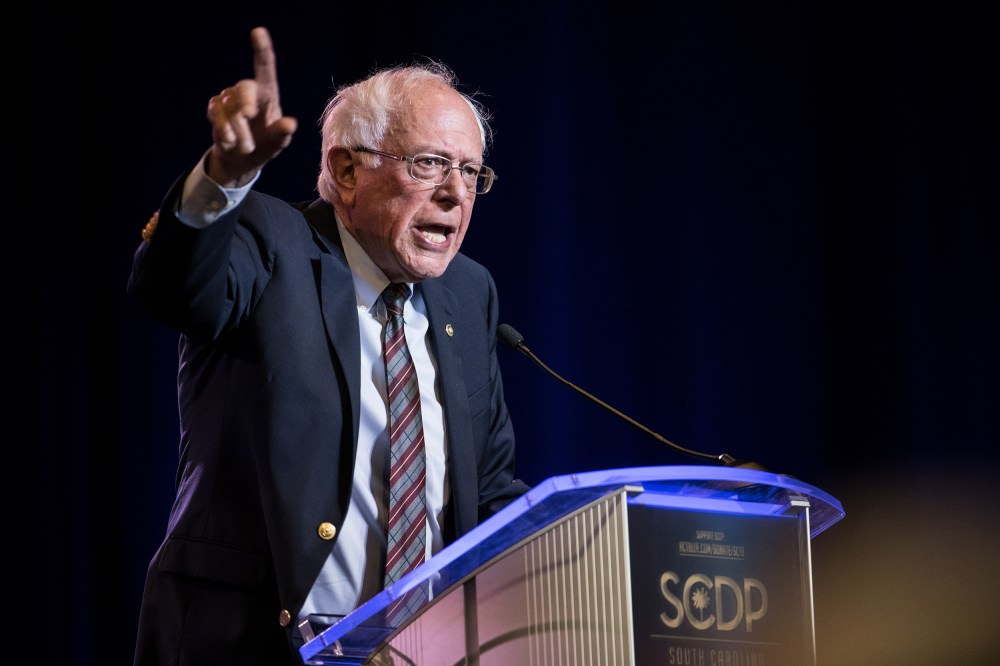
Right off the bat, it’s worth pausing to note that this is a rather ambitious approach. In 2019, Sen. Bernie Sanders (I-Vt.) unveiled a plan to increase the federal minimum wage to $15 per hour, phased in over a five-year period. The new Democratic proposal would reach the wage goal over a four-year period.
What’s more, while previous increases simply created a new wage floor, the new Democratic plan would be indexed to median wage growth — which, incidentally, is another key element of Bernie Sanders’ proposal from 2019.
In other words, Democrats aren’t approaching the issue with timidity. This is a real, progressive plan to give millions of American workers a raise.
The next question, of course, is whether it can pass.
On the surface, the odds aren’t great. Despite polls showing broad public support for a minimum wage hike, Republicans have long opposed any kind of federal increase. Even if the Democratic-led House were to approve this new legislation, it would face a GOP filibuster in the Senate. Are there 10 Republican senators prepared to break ranks and advance a $15 minimum wage? It seems unlikely.
That said, both Sanders and Senate Majority Whip Dick Durbin (D-Ill.) suggested yesterday they’re exploring ways to pass a wage hike through the budget reconciliation process, which in practice would mean being able to circumvent Republican obstructionism. Putting aside what I’d like to see happen, I’m not sure how or whether this would work. The budget reconciliation process is designed to be limited to budgetary matters: taxes, spending, government revenue, federal outlays, etc. What employers pay their employees would appear to fall outside this framework, which suggests reconciliation may not be an option. That said, Sanders and Durbin have far more experience than I do as federal policymakers, so I’ll be eager to see what they come up with. As for the vehicle, the Biden White House, which has also endorsed a $15 minimum wage, unveiled a COVID relief plan that included such a wage hike. Don’t be surprised if Democrats follow suit, trying to include this in the upcoming economic package.
Steve Benen is a producer for "The Rachel Maddow Show," the editor of MaddowBlog and an MS NOW political contributor. He's also the bestselling author of "Ministry of Truth: Democracy, Reality, and the Republicans' War on the Recent Past."
Latest Post
Recommended


