








Almost immediately after Donald Trump approved the mission to kill Iranian Gen. Qassem Soleimani, it was obvious that the president’s move would have widespread repercussions, which he very likely hadn’t considered. What was less clear was what would happen and when.
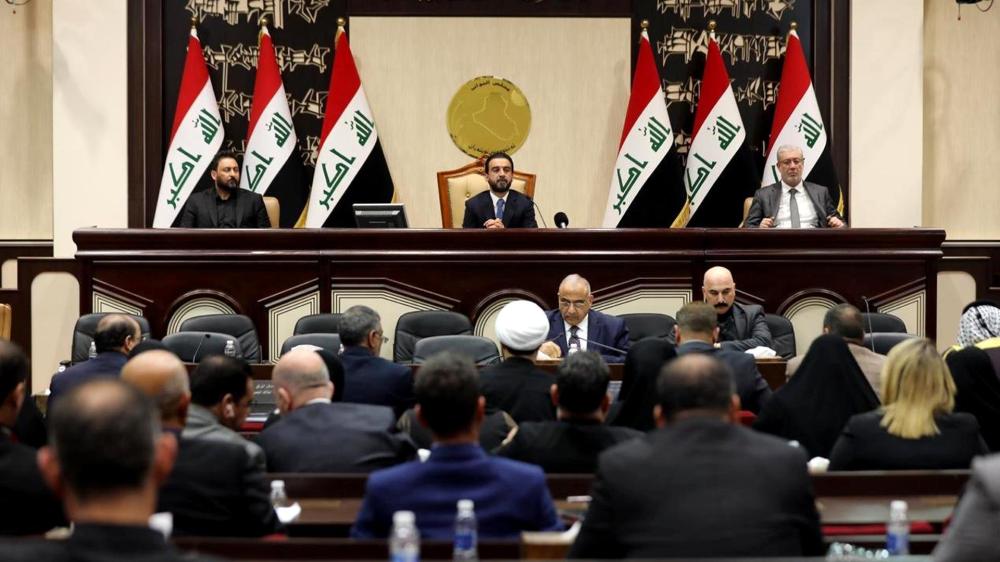
Some of the answer is already coming into focus. For example, the Iraqi parliament voted over the weekend to expel American forces from Iraqi soil. The vote was 170 to 0.
The nonbinding resolution — passed Sunday with the backing of Shiite politicians — urges Prime Minister Adel Abdul-Mahdi to rescind Iraq’s invitation to U.S. forces that helped rescue the country after Islamic State overran about one third of its territory in 2014.
Mr. Abdul-Mahdi called on lawmakers to back the resolution, but it wasn’t clear how he would proceed. He resigned as prime minister last year and has since presided over a caretaker government.
Meanwhile, officials in Iran are moving forward with plans of their own.
Iran said Sunday that it was ending its commitment to limit enrichment of uranium as part of its 2015 nuclear deal with world powers, more fallout from the U.S. strike that killed Gen. Qassem Soleimani.
The military campaign against ISIS is now on hold, at least for now.
The American-led coalition in Iraq and Syria halted its yearslong campaign against the Islamic State on Sunday as United States forces braced for retaliation from Iran over a strike that killed a powerful Iranian commander, military officials said. There’s also, of course, the evacuation of all Americans from Iraq. The United States embassy in Baghdad urged on Friday all citizens to depart Iraq immediately, hours after the U.S. killed Iranian Quds Force leader Qassem Soleimani and Iraqi militia commander Abu Mahdi al-Muhandis in an air strike. “Due to heightened tensions in Iraq and the region, the U.S. Embassy urges American citizens to heed the January 2020 Travel Advisory and depart Iraq immediately. U.S. citizens should depart via airline while possible, and failing that, to other countries via land,” it said in a statement. What’s more, this is just the start. We’re only a few days out from the strike that killed Soleimani, and the consensus view is that Iranian retaliatory measures are inevitable. There’s no reason to believe Donald Trump prepared for any of these consequences, or even has a coherent plan for what may happen next.
Steve Benen is a producer for "The Rachel Maddow Show," the editor of MaddowBlog and an MS NOW political contributor. He's also the bestselling author of "Ministry of Truth: Democracy, Reality, and the Republicans' War on the Recent Past." Recommended


