








Remember “Infrastructure Week”? The White House, looking for public-relations wins, devoted the first full week in June to Donald Trump’s apparent interest in infrastructure, which included a fake signing ceremony in honor of the president’s one big idea: privatizing the nation’s air-traffic control system.
Congress soon after rejected that idea and Trump’s infrastructure agenda more or less disappeared.
Or so it seemed. Yesterday, the president was in Harrisburg to deliver a speech on tax cuts, but he took some time to put the spotlight on his renewed interest in infrastructure. From the transcript:
“My administration is also committed to passing a historic infrastructure package that will generate $1 trillion to rebuild America’s crumbling infrastructure, with a special focus on roadways and highways. […]
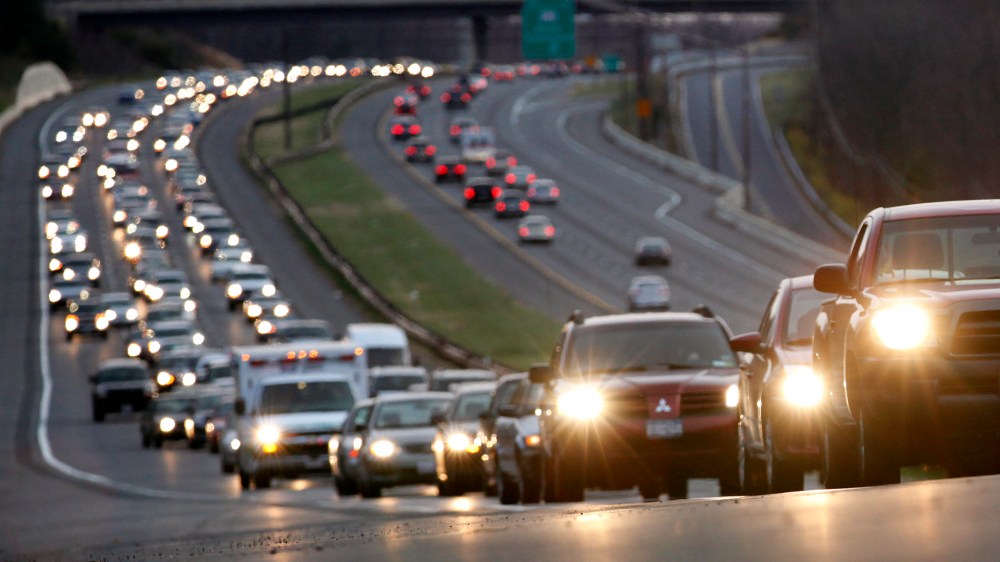
“American goods will sail across the oceans. American trucks will glide along our highways — so beautiful will those highways be — smooth, beautiful, no potholes. I know, no potholes.
“I have many friends in the trucking business and they tell me it’s never been like this. They’ll buy beautiful new equipment, by the time it goes from Los Angeles to New York and back, they have a big renovation job on their hands. They said they’ve never seen it like this before. They will be beautiful again, they will be smooth, beautiful highways again.”
For now, let’s put aside the fact that presidents generally don’t talk about filling potholes — it’s the sort of vow Americans are more likely to hear from local or state officials — and instead focus on the larger problem.
The White House doesn’t have $1 trillion to invest in infrastructure, and congressional Republicans aren’t likely to approve that kind of expenditure. With this in mind, Trump administration officials have envisioned a series of public-private partnerships as a way of financing infrastructure projects.
That’s a controversial approach for a variety of reasons, but the debate was largely derailed when the president announced he doesn’t like public-private partnerships after all. The Washington Post reported two weeks ago:
President Trump told lawmakers this week that he was abandoning a key element of his planned $1 trillion infrastructure package, complaining that certain partnerships between the private sector and federal government simply don’t work. Trump’s comments, described by a House Democrat who met with Trump and confirmed by a White House official, reveal an infrastructure plan that appears to be up in the air as White House officials have struggled to decide how to finance many of the projects they envision to rebuild America’s roads, bridges and tunnels. Now the administration wants to force states and localities to foot most of the bill. A Wall Street Journal report added that the president told lawmakers he believes public-private partnerships on infrastructure are “more trouble than they’re worth.” This was, however, the main pillar of the White House’s approach to the issue. In other words, while Trump assures voters he’s going to create smooth, beautiful, pothole-free highways, the president neglected to mention that he has no plan, and he opposes the one relevant idea he used to support. This isn’t going well.
Steve Benen is a producer for "The Rachel Maddow Show," the editor of MaddowBlog and an MS NOW political contributor. He's also the bestselling author of "Ministry of Truth: Democracy, Reality, and the Republicans' War on the Recent Past." Recommended


