









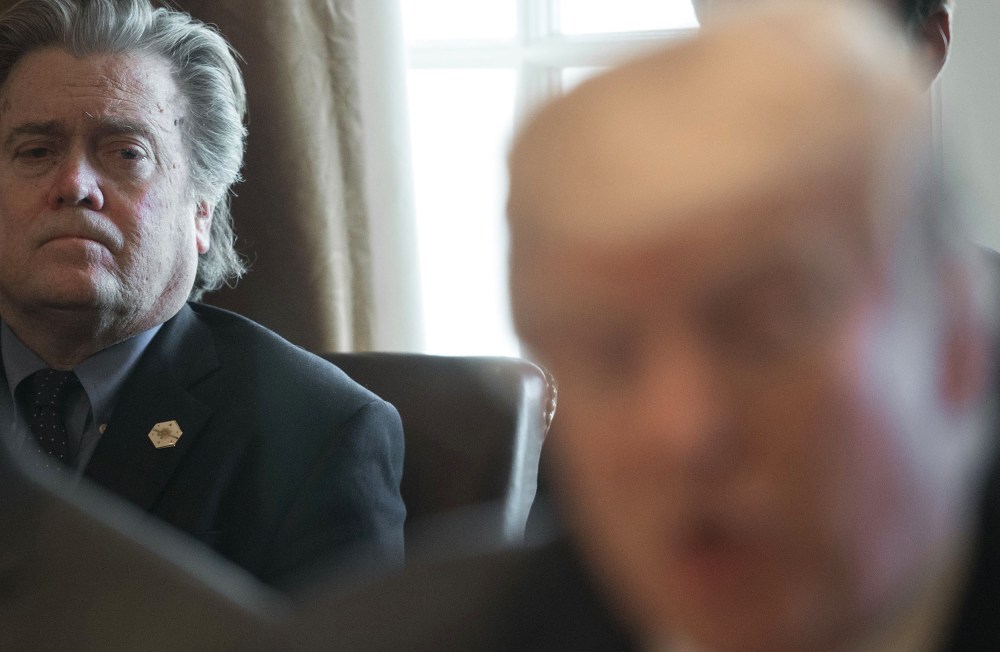

The one thing everyone involved in the process can agree on is that Steve Bannon has important insights related to the Jan. 6 attack on the U.S. Capitol. He was in communications with Donald Trump in the runup to the insurrectionist riot, and he reportedly told the then-president, “[I]t’s time to kill the Biden presidency in the crib.”
The day before the attack, Bannon seemed to know quite a bit about what was likely to happen, telling his podcast listeners, “All hell is going to break loose tomorrow. Just understand this: All hell is going to break loose tomorrow…. [A]ll I can say is: Strap in. You have made this happen, and tomorrow it’s game day.”
With this in mind, it hardly came as a surprise when the bipartisan House committee investigating the attack issued subpoenas a few weeks ago, seeking information from key Trump insiders — and Bannon was at the top of the list.
Yesterday, the former White House strategist faced a congressional deadline for testimony and documents. As expected, Bannon declined to comply with the subpoena. As NBC News reported, lawmakers are now prepared to escalate matters.
The House select committee investigating the Jan. 6 attack on the Capitol will vote next Tuesday to hold Trump political adviser Steve Bannon in contempt of Congress for not complying with a subpoena…. Once the committee adopts the contempt report next week, it will refer the report to the House for a vote.
In case this isn’t obvious, congressional subpoenas are not supposed to be optional. They are not casual invitations. The more people feel they can ignore these legal commands from federal lawmakers, the more difficult it is for Congress to do its job.
Bannon’s argument is that he had to blow off the subpoena because a former president asserted executive privilege and demanded that Bannon not cooperate with the congressional investigation. Committee Chairman Bennie Thompson responded yesterday that Bannon is simply “hiding behind the former president’s insufficient, blanket, and vague statements regarding privileges he has purported to invoke.”
The Mississippi Democrat added, “We reject his position entirely.”
For Bannon’s detractors, the prospect of a criminal contempt citation may seem encouraging. Indeed, it appears Congress could make an example of Bannon, making clear to other potential witnesses that the institution expects its subpoenas to be honored.
But all things considered, I’d recommend keeping expectations low.
If all goes according to plan, when the House returns to work in earnest next week, the committee will approve a criminal contempt citation against Bannon. From there, the matter will move to the full House for a vote in the Democratic-led chamber. Assuming the measure passes — a safe bet — the issue would be referred to the office of the U.S. Attorney for the District of Columbia for possible prosecution. It’s difficult to predict when, or whether, the federal prosecutor’s office might pursue the matter, but even if there were an indictment, it would take a long while for the process to unfold. It’s no exaggeration to suspect the legal wrangling wouldn’t be resolved until after the end of the current Congress. In the meantime, the investigatory committee’s work continues. As Rachel noted on last night’s show, the bipartisan panel heard eight hours of closed-door testimony this week from Jeffrey Rosen, Trump’s former acting attorney general, who’s also in a position to offer valuable insights. As for the former president who seems awfully eager to keep facts away from investigators, Trump issued a written statement yesterday saying members of the Jan. 6 select committee “should hold themselves in criminal contempt” for, among other things, “cheating in the Election.” Reading his missives is like listening to an ill-tempered tween struggling to make a sophisticated argument.
Steve Benen is a producer for "The Rachel Maddow Show," the editor of MaddowBlog and an MS NOW political contributor. He's also the bestselling author of "Ministry of Truth: Democracy, Reality, and the Republicans' War on the Recent Past."
Latest Post
Recommended


