The Rachel Maddow Show WEEKNIGHTS 9PM ETMorning Joe WEEKDAYS 6AM ETDeadline: White House with Nicolle Wallace Weekdays 4PM ETThe Beat with Ari Melber Weeknights 6PM ETThe Weeknight Weeknights 7PM ETAll in with Chris Hayes TUESDAY-FRIDAY 8PM ETThe Briefing with Jen Psaki TUESDAYS – FRIDAYS 9PM ETThe Last Word with Lawrence O’Donnel Weeknights 10PM ETThe 11th Hour with Stephanie Ruhle Weeknights 11PM ET
This antebellum mansion burned — and took a lot of Black people’s history with it
Material history, including at places such as Nottoway, has messages for people studying Black history.
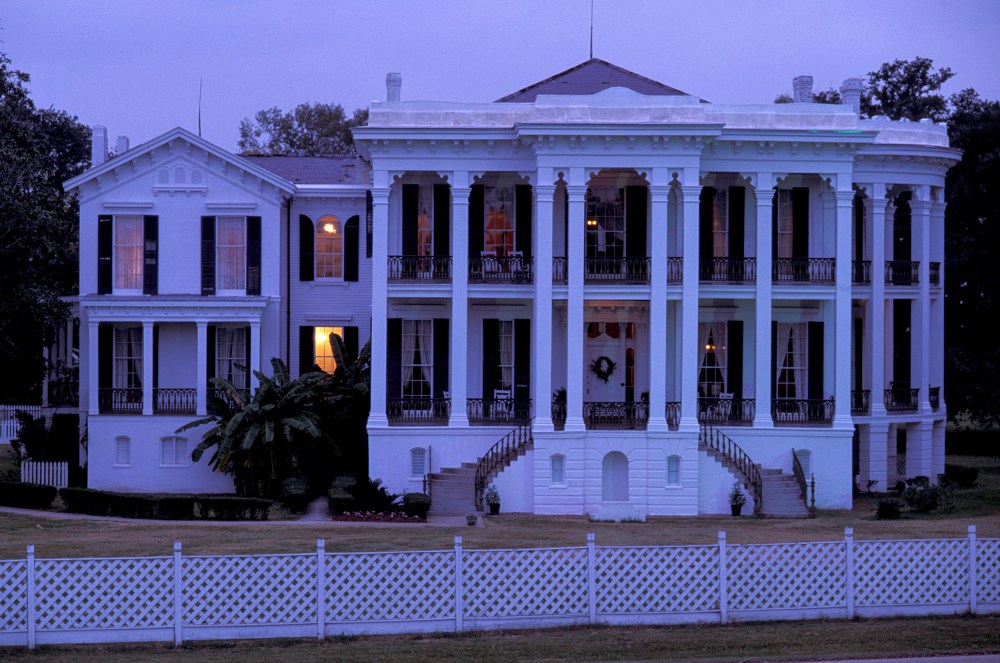
Nottoway Plantation.Dukas / Universal Images Group via Getty Images file
By
Michael W. Twitty
With its 200 windows and 165 doors fashioned by enslaved craftsmen and put in place with enslaved labor, Louisiana’s Nottoway Plantation was the South’s largest antebellum mansion, or “big house.” It was also a place that tour guides infamously sold a romanticized and sanitized version of plantation life about, and for generations, those who ran the plantation hosted weddings, graduations and school field trips where Black schoolchildren and their parents often felt diminished and alienated. As The Associated Press has noted, Nottoway “makes no mention of enslaved former inhabitants on its website.”
As The Associated Press has noted, Nottoway “makes no mention of enslaved former inhabitants on its website.”
A fire on Thursday that destroyed Nottoway’s big house led to a predictable response. Some Black people posted selfies presumably taken at Nottoway that showed the burning house behind them. People shared memes that added the images of Frederick Douglass and Harriet Tubman, uncharacteristically grinning, to photos of the mansion on fire. Other memes showed Black people enjoying an outdoor cookout with the burning house in the background.
“We’re very devastated, we’re upset, we’re sad,” Dan Dyess, a co-owner with his wife of the plantation resort, told The Times-Picayune | The Advocate. “We put a lot of time, effort and money to developing this property.” Still, after the fire, some voices wryly expressed that all such sites should burn.
Simultaneously, some white people wistfully mourned an irreplaceable architectural gem and moment in American — read Southern — grandeur and responded to the celebrations of the fire as an assault on their “heritage,” the same way many responded in 2017 to the removal of Confederate monuments downriver in New Orleans.
A fire is ripping through Nottoway Plantation in White Castle, Louisiana.
Some history: -In 1860, John Randolph (who enslaved 150+ people) owned it -It is now used as event venue, hotel and museum. It was the largest remaining antebellum mansion in the USpic.twitter.com/3LlwRcyUGc
I’m not mourning in the same way that those embracing myths of the “Lost Cause” and the idea of “moonlight and magnolias” are, but I’m mourning the loss of another opportunity to teach about the history of enslavement. Our material history, including at places such as Nottoway, has messages for us. There are bricks where our ancestors’ fingerprints remain, spiritual caches, crystals and sometimes lone cowrie shells reflecting traditional African beliefs.
There are signs there of Islamic practices and practices of the early Black church. Even a rat’s nest found in Charleston, South Carolina, had much to tell us about the past. It wasn’t just a rat’s nest; it had been fashioned from the pages from a 19th century speller. In the darkness, hidden from the enslavers’ prying eyes, we were learning to read.
The destruction of Nottoway isn’t a trending story for me. I am a historical interpreter — not a re-enactor — and such places have been the focus of my research. I even wrote my award-winning memoir, “The Cooking Gene,” tracing my ancestry from Africa to America, from enslavement to emancipation, using the story of African American food combined with the battle over how our history gets told and who gets to tell it.
I’m not mourning the way those embracing the “Lost Cause” are, but I’m mourning the loss of another opportunity to teach about the history of enslavement.
Many plantations, homes and living history sites are tied to colonial and antebellum slavery, both South and North. They have never been cheap to maintain or preserve, hence the need to bring in crowds that spend big. Sanitizing the brutality of slavery and promoting their properties as wedding venues is a way for those who operate such places to increase revenue. But their general refusal to confront the truth of history and balance their messaging, their willingness to bury the experiences of our ancestors underneath white supremacist propaganda, helps explain the glee many felt at Nottoway’s destruction.
I found it disheartening while doing research for “The Cooking Gene” that one of my ancestors, Harry Townsend, who was sold as a child from North Carolina through Virginia to Alabama, had a bill of sale and a value for his body on the death of his slaveholder. He had run for freedom, and there was even a receipt for his return by a “slave catcher.” But there’s no record of my ancestor’s grave, and most of land where he was enslaved is now underneath a mall.
Places such as Nottoway that glorify the buildings that enslaved people built but ignore the pain and suffering those enslaved people experienced contribute to another kind of erasure.
There was no love lost as many celebrated the burning down of the Nottoway Plantation, which likely reflects the anger many people, especially Black Americans, still carry over the history and legacy slavery in the United States. Read more #OnTheGriohttps://t.co/I95bg8Y8hL
The New York Post quotes Dyess as saying, “My wife and I had nothing to do with slavery but we recognize the wrongness of it.
“We are trying to make this a better place. We don’t have any interest in left wing radical stuff. We we need to move forward on a positive note here and we are not going to dwell on past racial injustice.”
If this fire was a message, it was a wake-up call. There are no perfect answers here. Nottoway could have gone the way of Whitney Plantation, also in Louisiana, which is a museum dedicated to helping visitors understand who the enslaved people were.
I’ve been privileged to cook at Whitney Plantation, which is staffed by brilliant Black interpreters. Nottoway also could have been more like Magnolia Plantation in South Carolina, where my elder and teacher Joseph McGill raises awareness about chattel slavery. It could have been more like Colonial Williamsburg in Virginia, where, as a consultant and scholar in residence, I learned from generations of people behind the site’s African American programming.
Coming to terms with what these plantations have meant is a process that takes time and generational commitment. Plantations and sites related to slavery have to have foot traffic and human and financial investment to preserve the evidence of African and African American labor, craft and resistance. Still, they shouldn’t exist as mere resorts.
We must stand in solidarity with museums (especially Black independent sites), genealogists, scholars, preservationists and descendants who do this recovery work. Their efforts to perform acts of sincere redemption and reconciliation are crucial. We can contribute to a more inclusive and accurate representation of our shared history by supporting such initiatives.
This crossroads is the sacred ground where people of many backgrounds can and must meet. I can’t think of a more critical time to speak the truth and acknowledge the humanity of enslaved Africans and Indigenous Americans and the flow of immigrants and others without whom we would not exist.
Michael W. Twitty
Michael W. Twitty, a culinary historian, historic interpreter and Jewish educator, is the author of "The Cooking Gene," a double James Beard Award-winning historical food memoir. His forthcoming volume, "Recipes from the American South," will be published by Phaidon Press in the fall.









 — theGrio.com (@theGrio) May 20, 2025
