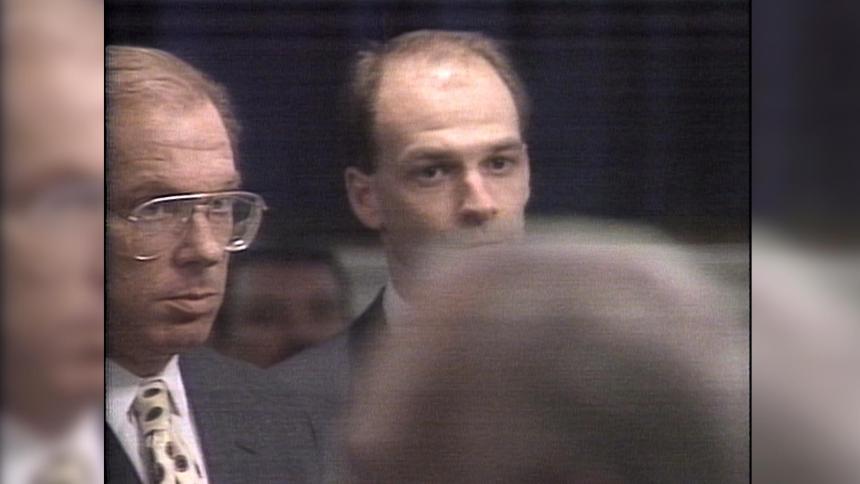
The chant “no justice, no peace” has long reverberated at protests against police brutality and institutional racism. For decades, we have marched, demanded accountability and pushed for reform at the local and national levels. And yet, many of the same brutal practices in policing continue to plague our communities, criminalize young people and sow distrust. Too many cities are just waiting to erupt. The locations change, but the pattern remains the same.
In 1990, in the seemingly harmonious bedroom neighborhood of Teaneck, New Jersey, a police officer shot and killed 16-year-old Phillip Pannell. Two decades before the killings of Michael Brown or George Floyd, the seeming peace of the Teaneck “utopia” was shattered.
To learn more about Phillip Pannell’s murder, watch episode one of “Model America” on Sunday, Sept. 18, at 10 p.m. ET on MSNBC.
I remember when I first learned of the shooting and the unrest that followed. Like many Americans, I was a bit surprised. Teaneck had always presented itself as a progressive area; in fact, it was the first town in America to voluntarily integrate its schools through busing, and it had flourished as a diverse community with a significant Black population. But the same systemic policing tactics that took place in Brooklyn, Chicago and other cities were being implemented in Teaneck, as well. As a result, the same division between police and the communities that they were supposed to serve permeated, and it all burst through the surface when young Phillip was shot in the back and killed.
When I traveled to Teaneck, it was on the heels of two other horrific tragedies — the racially motivated killings of Michael Griffith in Howard Beach, Queens, and Yusuf Hawkins in Bensonhurst, Brooklyn. The demonstrations we led in Howard Beach and Bensonhurst were greeted with immense hostility, with whites throwing pieces of watermelon at us and yelling racial epithets. I was worried we would be met with the same viciousness in Teaneck (and also keeping a careful eye on our team, to make sure that not one kid threw a rock back). It was a tense time, but we had a duty to respond to the request for help and try to push for a semblance of justice for the family.
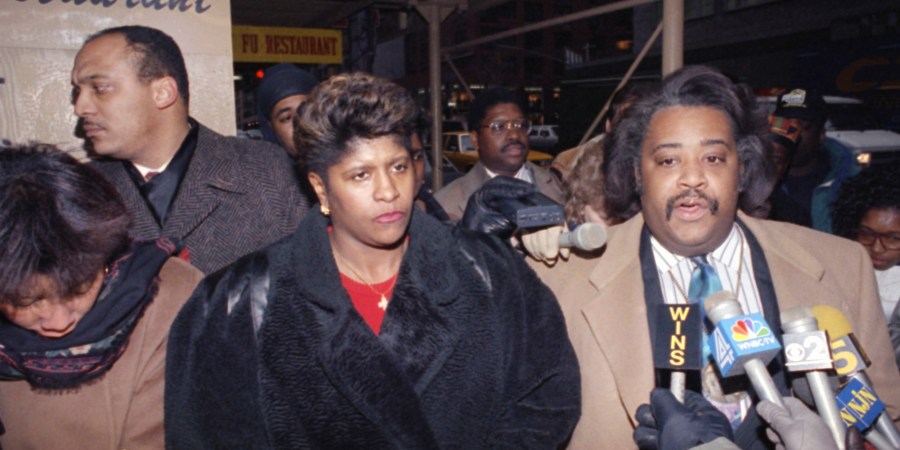
The police killing of Phillip Pannell put national attention on police brutality, the dangers young Black men specifically face at the hands of police, the difficulty in holding cops accountable, and the inherent systemic problems with policing. These are challenges that, sadly, we are still fighting today.
I have consoled many of the families of the victims of these incidents, preached at many funerals and marched many miles for justice. My organization, the National Action Network, was founded shortly after Pannell’s tragic death and similar other unjust killings, as we implemented a grassroots community response in the nonviolent spirit of the Rev. Dr. Martin Luther King Jr. It has been a tough journey. Every traumatic death and every grieving family reopens a bloody wound. The police officer who killed Phillip Pannell was eventually acquitted by an all-white jury. Pannell’s mother, sister and other loved ones never received justice. They were forced to simply live with the pain of his sudden death at the hands of law enforcement, as well as the pain that comes from knowing that no one will be held accountable. This has been the outcome in case after case, year after year. But in April 2021, there was a glimmer of hope when Derek Chauvin, the officer who knelt on George Floyd’s neck, was found guilty. It is why we must continue to advocate for justice and push for police reform, so no other families endure the agony of loss and helplessness that comes with such death. Three decades separated Phillip’s and George’s deaths. Thirty years filled with many other victims, some of whom we may never even know. According to a database The Washington Post has kept since 2015, police shoot and kill an average of 1,000 people a year. And 2021 set a record for police deaths. Clearly, our work is far from over. But we must remember all of the stories and all of the names. We remember Phillip as we continue to organize, strategize, march, fight the legal battles and get legislation passed. Phillip and Michael and George and Breonna and so many other Black men and women must not die in vain.
Rev. Al Sharpton
The Rev. Al Sharpton is an MSNBC columnist and civil rights leader. Over 40 years in public service, he has held such notable positions as youth director of New York's Operation Breadbasket, director of ministers for the National Rainbow Push coalition and founder of his own broad-based progressive civil rights organization, the National Action Network. He hosts "PoliticsNation," which airs from 5 to 6 p.m. ET on weekends on MSNBC.