








Zygotes aren’t what they used to be. In the chromosome lottery, today’s XXers have a much better future than their past female counterparts. If you’re a working-age woman, there’s a 60 percent chance you made it into the labor force. That’s up from 43 percent four decades ago. You also have a 67 percent chance of having gone to college. It was 22 percent in 1970.
But there are odds too: the 95 percent chance you won’t be a Fortune 500 CEO, the 81 percent chance you won’t be a member of Congress, and the 85 percent chance with domestic violence it will be you, just because you’re female.
That’s in the United States.
It’s not much different elsewhere. Progress dotted with unrealized opportunity. It was evident in El Salvador, Peru, and Paraguay, countries I visited for Women’s History Month. In each, inspiring pilot programs in gender equality accelerate progress for the next generation.
On a field outside Asuncion, Paraguay, 17-year old Sofia had been playing girls’ soccer for some time. But she didn’t do well playing with boys or as well as she could in most other situations when boys were around. She wasn’t sure of herself.
She crouched when guys called her names like “wooden leg” on the pitch. She crouched when told she should be in the kitchen. She crouched when threatened physically. Sofia had been crouching so long, that’s all she knew. She didn’t have the muscle to stand up for herself even if opportunities were there.
That’s not the Sofia I met. She had already joined a new league where girls and boys play together. Girls learn to expect to be treated as equals. Boys learn to treat girls that way. The results? Girls win, take charge and feel confident. “Atención,” Sofia warned me gently when schooling me on proper kick technique.
In Paraguay, I saw it with musicians. The Paraguayan harpist ensemble set a Guinness World Record with 420 playing at once. Girls and boys have been traveling, practicing, and performing together for three years. I met four in a poor, rural town. They played Pajaro Campana for me (literally translated as Bell Bird), the song that broke the record. “Where there is music there is no violence.” That was the motto on the back of their shirts.
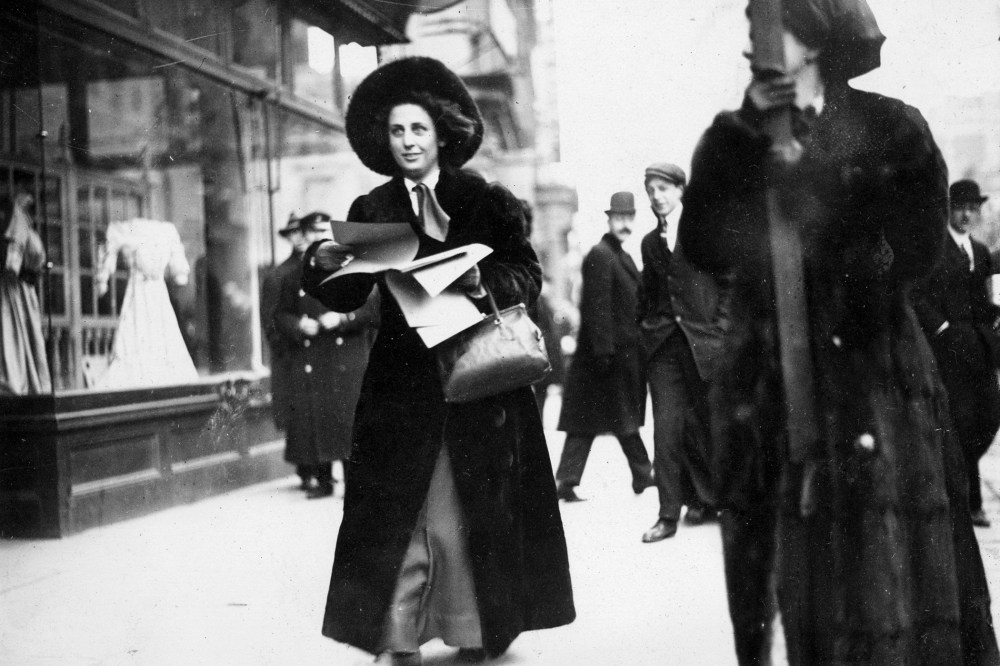
Peru has laid the gender-aware pipeline with youth congresses. Students like John form groups that work side-by-side with elected officials to form solutions. John wants the water system fixed. When systems falter, women and girls spend more time trekking farther to get potable water. To fix it, he wants to become a member of the government. There are over 60 youth congresses that inspire girls and boys—together providing solutions, and being solutions through civic engagement. There were more. The youth entrepreneurship program helping young Fabiola build a market analysis for a beauty salon. And the 25 women led by Enedina who started a textiles co-op selling products worldwide—they now have economic opinions their husbands heed. Women’s History Month was inspired by a group of women like Enedina’s over a century ago. Fifteen thousand marched through New York City streets for equal hours and pay. Would they be proud of our progress this past month? I can’t help but think of Sofia—the new muscles she has. If she could lift 10 pounds before, now it’s 100. Women’s History Month finished on March 31st. Richard Lui is a news anchor for MSNBC and NBC’s Early Today. He is an ambassador for Plan International USA and can be followed at @RichardLui.
Richard Lui Recommended


