In a gesture they call “historic” and “unprecedented,” federal officials released a trove of new data Wednesday showing exactly how Medicare disburses tens of billions of dollars to doctors each year.
Consumers have long had “limited information about how physicians and other health care professionals practice medicine,” Health and Human Services Secretary Kathleen Sebelius said in unveiling the long-secret numbers. The new data offer the public “a new window into health care spending and physician practice patterns,” she said, making the health care system more transparent, affordable and accountable.
The claims data, posted online Wednesday by the Centers for Medicare & Medicaid Services (CMS), offer a rare glimpse of the practice and billing patterns of 880,000 health care providers who together received $77 billion in Medicare payments in 2012. Patients can now download summaries of their own doctors’ Medicare claims. Researchers can analyze practice patterns across regions and specialties. And policymakers have a new tool to help ferret out waste, fraud and abuse.
The spreadsheets show that thousands of providers received payments of more than $1 million in 2012. More than 300 took in at least $3 million, and dozens received more than $10 million. Altogether, according to a New York Times analysis, 2% of Medicare providers got a quarter of the payments.
“When one doctor’s billings stand out from others, we notice,” CMS Principal Deputy Administrator Jonathan Blum said during a Wednesday conference call with reporters. “We’ll automatically review doctors whose charges exceed certain thresholds. But we also need the press and the public to raise tough questions. We need everyone’s help identifying wasteful or fraudulent spending.”
Though unusually high billings sometimes signal fraud, the new data can’t distinguish bogus charges from legitimate ones. Even other-worldly figures—like the $21 million the top-billing specialist received in 2012—are often perfectly legal.
Providers who work together may submit their claims under one provider’s billing number, greatly inflating his or her total. Medicare officials say they discourage that practice, but nurse practitioners and other non-MDs are often required to bill Medicare under a physician’s name.
By the same token, the technologies used in some specialties can add huge sums to the cost of a doctor visit. Of the 17,000 providers in the top 2% for 2012 Medicare billings, nearly 5,000 were oncologists or ophthalmologists, who rely heavily on expensive drugs and devices. Collectively, ophthalmologists charged nearly $1 billion to treat 143,000 Medicare patients for macular degeneration.
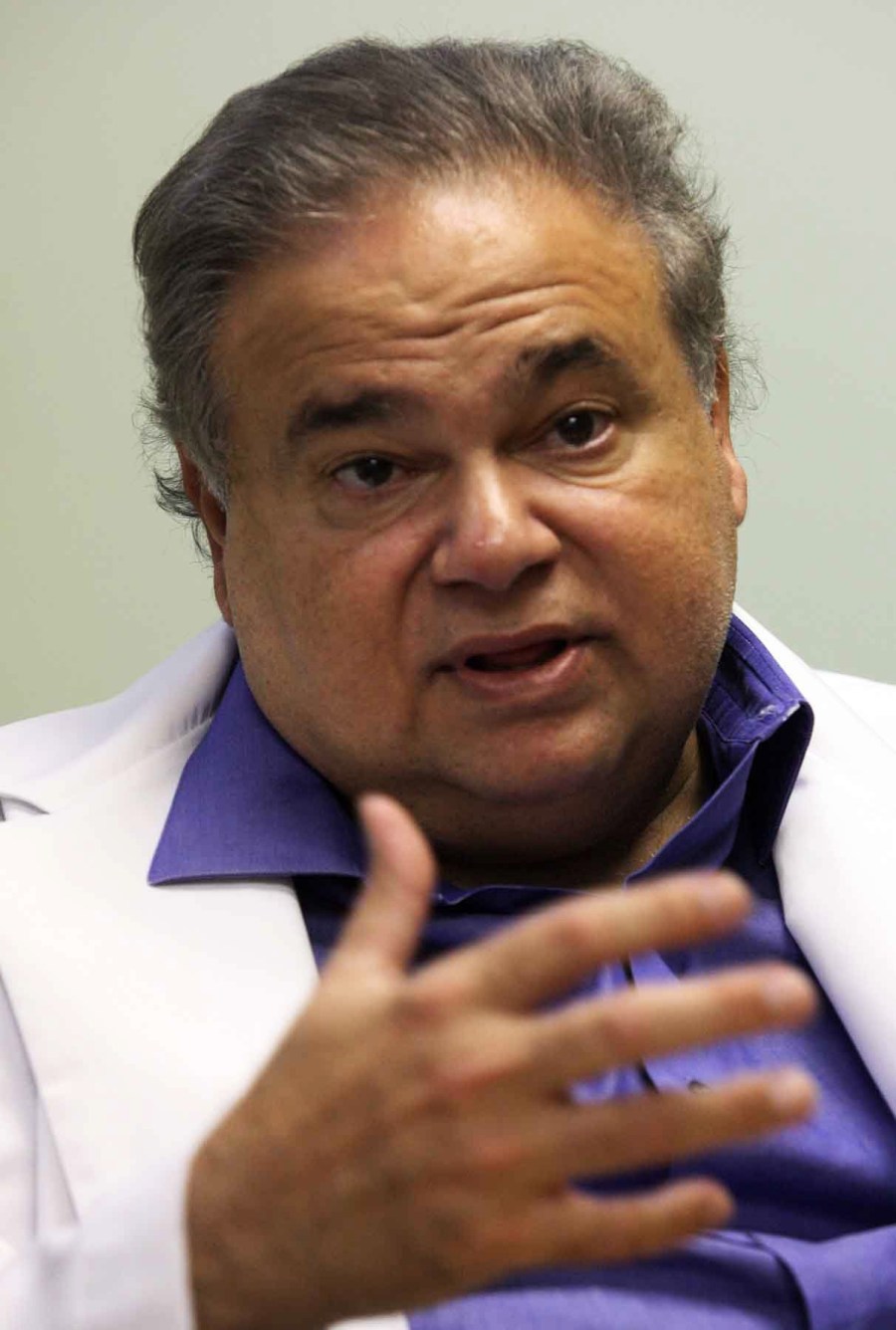
Those ophthalmologists include the $21 million man, Dr. Salomon Melgen of West Palm Beach. The Washington Post reports that Melgen earned $11.8 million of that Medicare income by administering a high-priced drug called Lucentis to patients with macular degeneration. Melgen could have spared Medicare 96% of the cost by prescribing Avastin, an older drug with equivalent clinical effects, but doctors can prescribe at their discretion. And though the drug industry reaps most of the profit when doctors prescribe over-priced treatments, it has many ways of rewarding those who move their products. “At all times, Dr. Melgen billed in conformity with Medicare rules,” his attorney, Kirk Ogrosky, said in a statement anticipating Wednesday’s data dump. “While the amounts in the CMS data release appear large, the vast majority reflects the cost of drugs.” Alas, as Michael Kinsley has long observed, what’s perfectly legal is often more scandalous than what isn’t. The pharmaceutical industry has a superb record of blocking legislation to control drug costs, but HHS could reward physicians for prescribing more efficiently. “We can’t force doctors to use cheaper drugs,” Blum said Wednesday. “But we know that higher-cost drugs drive higher reimbursement and saddle patients with higher copayments. We want to make these issues more public. That’s one reason we’re making the information public.” Let the outcry begin.
Geoffrey Cowley Recommended