









Federal investigators are diving into the scandal over Flint, Michigan’s lead-tainted drinking water, just as the state’s governor on Tuesday declared an emergency for the area.
The move by Gov. Rick Snyder comes three weeks after newly elected Flint Mayor Karen Weaver declared a local state of emergency — triggering the bureaucratic process of procuring government disaster aid. Genesee County Board of Commissioners also declared the situation an emergency on Monday.
RELATED: Volunteers help Flint in toxic water crisis, await state action
The state’s declaration for Genesee County, where Flint is located, now mobilizes state police and the state Emergency Management and Homeland Security Division to assist in relief operations and petition for federal assistance.
Snyder said in a statement that stakeholders will find “both short-term and long-term solutions to ensure the health and safety of Flint residents.”
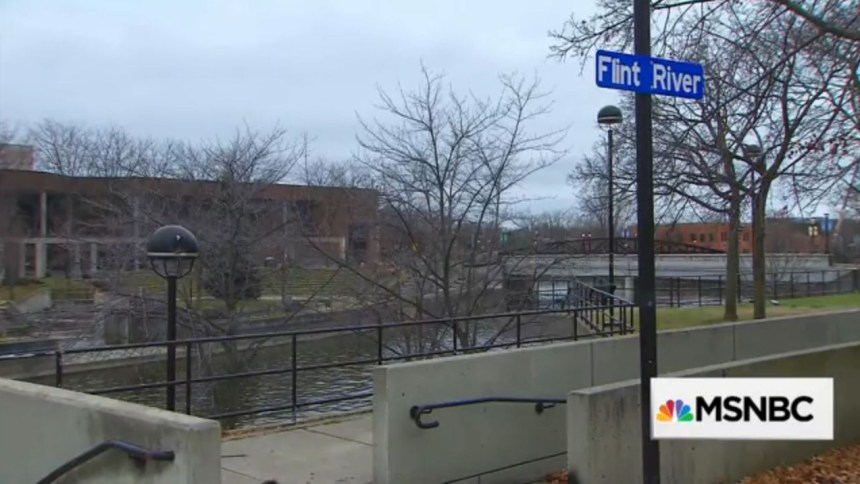
Flint, an economically struggling city of some 99,700 people, had previously been served by Detroit’s water system but moved last year to water from the Flint River as part of a cost-cutting measure.
The switch was only supposed to be temporary until Flint could join a new system that siphoned water from Lake Huron, officials had said.
But in the interim, residents reported the water was a discolored brown and smelled and tasted strange. Officials at first maintained the water met safety standards, but complaints mounted after children were found with elevated lead levels in their blood.
Officials later said water from the Flint River became tainted by old, corroding underground pipes.
In October, the city returned to Detroit’s water system following community protests at City Hall.
Weaver, who was elected in November on the promise that she would declare a state of emergency, has said the city will need to spend more on special education and mental health services for those affected. Exposure to lead can cause behavior problems and learning disabilities in young children, health officials warn. The U.S. Attorney’s Office is working closely with the U.S. Environmental Protection Agency to address the concerns of Flint residents and investigate the contamination of Flint’s water supply, said Gina Balaya, a spokeswoman for the U.S. Attorney. But Balaya would not say whether the office was looking at possible criminal or civil violations and said the U.S. Attorney normally would not even confirm the existence of an investigation. “In light of the situation and the concerns of Flint residents, we felt it necessary to put out there that we are looking into it,” Balaya said. This article first appeared on NBCNews.com.
Erik Ortiz Recommended


