








In 1977, then-Congressman Henry Hyde stood before his colleagues and spoke honestly. “I certainly would like to prevent, if I could legally, anybody having an abortion, a rich woman, a middle-class woman, or a poor woman,” he said. “Unfortunately, the only vehicle available is the … Medicaid bill.”
He got his wish, and today, the Hyde Amendment that bears his name bars any public funds going to abortion, with very narrow exceptions and poor women on Medicaid paying the price. The research shows that one in four women on Medicaid who want to end their pregnancies instead give birth because they cannot afford an abortion.
Related: Supreme Court may revisit abortion, birth control next term
The Hyde Amendment has long functioned as the immovable object of the abortion wars, blessed by the Supreme Court, although some states have chosen or been obligated by courts to use their Medicaid funding for abortion coverage. Although the Democratic party platform officially supports “a woman’s right to make decisions regarding her pregnancy, including a safe and legal abortion, regardless of ability to pay,” even some Democrats tout the status quo of no public funding. President Barack Obama went as far as to promise the Amendment would stand when he signed an executive order assuring that the Affordable Care Act wouldn’t expand abortion coverage.
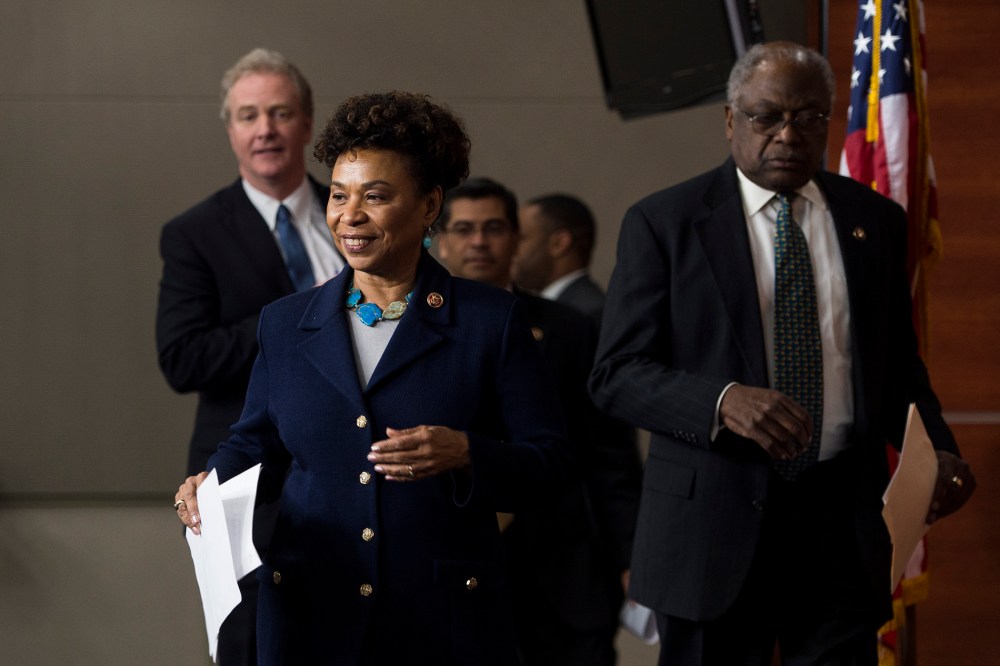
On Tuesday, activists and congressional supporters of abortion rights hope to upset that status quo, if somewhat symbolically. Congresswomen Barbara Lee of California, Jan Schakowsky of Illinois, and Diana DeGette of Colorado are introducing the Equal Access to Abortion Coverage in Health Insurance (EACH Woman) Act into the House.
“Regardless of how someone personally feels about abortion, none of us, especially elected officials, should be interfering with a woman’s right to make her own healthcare decision just because she is poor,” said Lee in a statement.
Related: Supreme Court keeps Texas abortion clinics open — for now
At the elected officials’ sides is a coalition of activists known as All Above All, which includes the big organizations like the American Civil Liberties Union and Planned Parenthood, as well as grassroots groups like Black Women’s Health Imperative and URGE: Unite for Reproductive & Gender Equity. These groups are forced to spend most of their time trying to bat down new state-level and federal abortion restrictions — 282 since 2010 alone, according to the Guttmacher Institute — while still maintaining their opposition to the longstanding ones. “I was born in 1976 – the year that the Hyde Amendment was first passed,” said Jessica González-Rojas, executive director of the National Latina Institute for Reproductive Health, in remarks at a press conference today. “My whole life I’ve watched as anti-choice lawmakers have passed abortion coverage restrictions year after year. Today we say – enough is enough.” Unfortunately for their cause, the bill does not even have a single Senate supporter to date, and even if it did, Republicans control that chamber. Not only do they fervently support the Hyde Amendment, some Republican politicians argue that the Affordable Care Act actually violates it, because some plans that get subsidies cover abortions. Ten states have banned all insurance coverage for abortion on any plan, except under conditions of life endangerment. (One of those states has a rape exception.) Twenty-five states ban abortion coverage on any plan sold through the exchange, and 21 ban coverage for public employees. To opponents of abortion, the phrase “taxpayer funding for abortion” is practically magic, conjuring both fears about the use of other people’s money and discomfort with abortion. In other words, the advocates are up against a tidal wave. But they aren’t ready to give up yet.
Irin Carmon Recommended


