








The clock is ticking for Vice President Joe Biden as he weighs a bid for the White House in 2016 — the most consequential decision of his long political career and one that could drastically unsettle the race as it stands.
After blowing past his original end-of-summer target to decide on a presidential run, Biden is approaching hard deadlines he cannot miss. Beginning in early November, the window starts closing in some states for candidates to get their name on the ballot, including places that would presumably be on any path to victory for the vice president.
Biden has been eyeing a run for the Democratic nomination for months, and aides have reached out to potential staffers to assemble a campaign team in waiting. But the vice president has yet to make a final call, even as his would-be Democratic rivals Hillary Clinton and Bernie Sanders raked in more than $20 million each in the last financial quarter.
The final countdown for a Biden decision began Thursday, the first day of a new fundraising quarter. But Biden will face a number of softer deadlines before running up against the harder cutoff dates in November.
Related: What will a Biden run do to the Dem race?
First up is the first Democratic presidential debate in Las Vegas on October 13. It’s a high-profile event and one of only four debates before the Iowa Caucuses, but CNN — which is hosting the debate — reported Thursday that Biden is likely to opt for an announcement after the debate, if he decides to run at all.
Next is the Iowa Jefferson-Jackson dinner, a marquee Democratic Party event in the state that holds the first nominating caucus featuring all declared candidates. Barack Obama had a breakout performance at the 2007 dinner, which helped propel him to an upset victory over Hilary Clinton in the state.
Biden would have to officially declare his candidacy to attend, according to Iowa Democratic Party spokesperson Sam Lau. “If the vice president were a declared presidential candidate, we would of course welcome him,” said Lau.
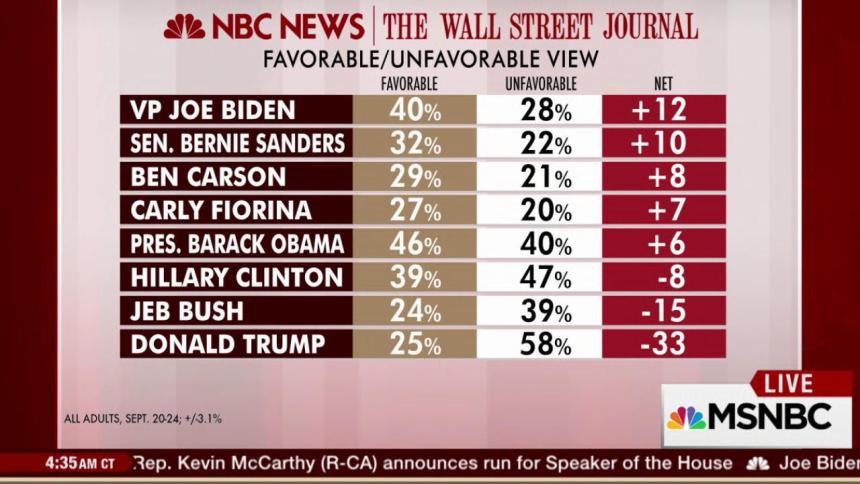
With the vice president under heavy scrutiny, missing these high-stakes events would be read as signals of Biden’s intentions — or lack thereof. But allies argue it could be smart to skip them to preserve his sky-high approval ratings by waiting on the sidelines as long as possible.
But waiting to declare in December or later would mean risking falling off the ballot in several states, essentially forfeiting them and their delegates.
Four states have November deadlines, according to a tentative list of filing requirements provided to MSNBC by a Democratic source.
They begin with a 5 p.m. cutoff on Friday, Nov. 6 in Alabama and continue with deadlines in Arkansas three days later, Michigan on Nov. 17, and Florida at the end of month.
Alabama in particular could set Biden’s timetable, since it has the earliest deadline of any state and requires candidates to submit 500 signatures and a $2,500 filing fee, both of which would require at least some time and money to assemble.
Alabama and Arkansas both hold nominating contests on “Super Tuesday” March 1, just after the first four contests in February. Both also have large black populations, among whom Biden backers feel he could perform well. Michigan and Florida, meanwhile, have contests later in March, but both are delegate-rich and Biden’s allies feel he could do especially well in Michigan, given the large presence of labor unions. The Draft Biden super PAC, which is urging Biden to run, recently announced they would begin building operations in 11 “Super Tuesday” states. Operatives with the PAC have been researching the filing processes and exploring ways to help the vice president get on the ballot in states with early deadlines. Some states have work-arounds, like in Michigan where a well-placed call to the secretary of state or the Democratic Party chair could get the vice president’s name on the ballot in one fell swoop. For states with petition requirements, while the super PAC cannot legally collect signatures itself, it can identify Biden supporters who would be willing to sign petitions. A list of supporters could then be quickly sold to the official Biden campaign as it gathers signatures. It’s unclear how much lead-time Biden would need to meet these deadlines after declaring his candidacy, but it would require at least some basic campaign infrastructure. Presidential candidates in the past have missed filing deadlines, but usually by accident. Without making the ballot, Biden could attempt a write-in campaign, but those are extremely difficult and unlikely to succeed. And while Iowa and New Hampshire, the first two nominating states, have later filing deadlines, Biden would have to compete with the Clinton and Sanders campaigns who will have had almost a year to organize supporters.
Alex Seitz-Wald Recommended


