








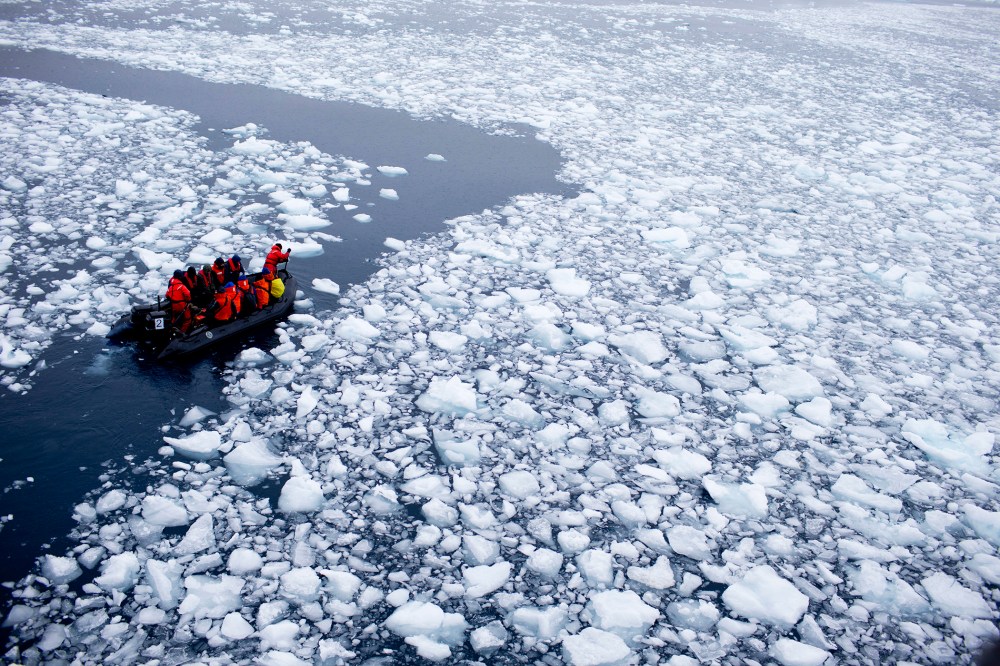
Sea level eventually could rise by at least 11 feet for residents living in the Northern Hemisphere because of a shrinking glacier in the Antarctic, a new science paper revealed this week.
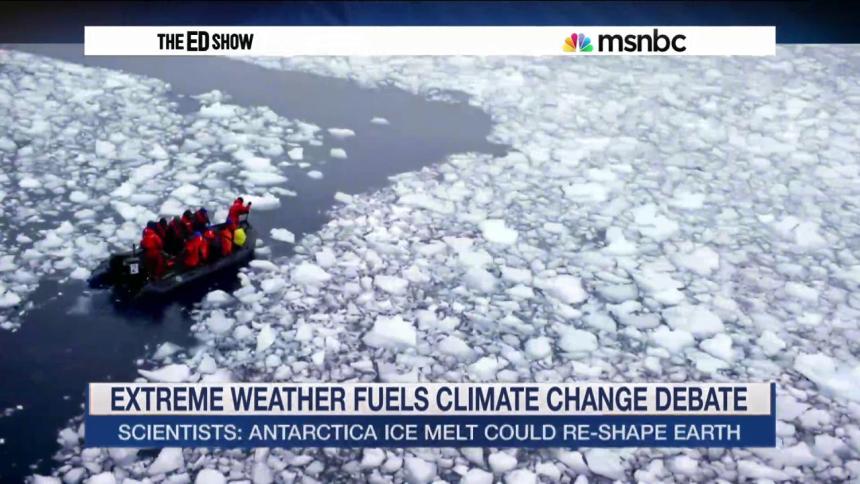
An international team of scientists from the United States, Australia, Britain, and France found that the Totten Glacier of East Antarctica — the largest and most rapidly thinning glacier in the region — is shrinking because of warm ocean water developing beneath it. The process could have “global consequences,” they wrote Monday in Nature Geoscience.
“If thinning trends continue, a larger water body over the trough could potentially allow more warm water into the cavity, which may, eventually, lead to destabilization of the low-lying region,” they wrote.
Scientists already were aware of disappearing ice in West Antarctica. Through recent flight observations, though, they also found the same event happening in East Antarctica. Until now, there was no indication the previously known rapid thinning of the glacier could affect coastal ice — by at least 11 feet, according to researchers at the University of Texas at Austin.
Much of the Totten Glacier’s basin lies below sea level. The airplane the scientists used was equipped with radar that measures ice several miles thick, lasers to gauge the shape of the ice surface, and equipment that senses the gravity of the Earth.
RELATED: Senate votes that climate change isn’t a ‘hoax’
Although the damaging impact of climate change is predicted to worsen in the coming century, its extreme effects are already being felt on every continent and across the world’s oceans, a United Nations assessment revealed last year. The average combined land and ocean temperatures last October were the highest on record, and the global threat will increase if leaders don’t rein in the release of greenhouse gases into the atmosphere. In the first major study from the UN since 2007, the Intergovernmental Panel on Climate Change last March found that the increasing threat of climate change will continue to grow if residents don’t bring greenhouse gas emissions under control. The global threat will continue to worsen, the report said, if leaders don’t rein in the release of greenhouse gases into the atmosphere. A major U.N. conference on climate change is scheduled to be held this year in Paris. In November, Obama and Chinese President Xi Jinping announced a climate deal to reduce carbon emissions and tackle the growing crisis of global climate change. The pact includes a first-ever commitment by the Asian country to stop its emissions from increasing entirely after 2030.
Michele Richinick Recommended


