








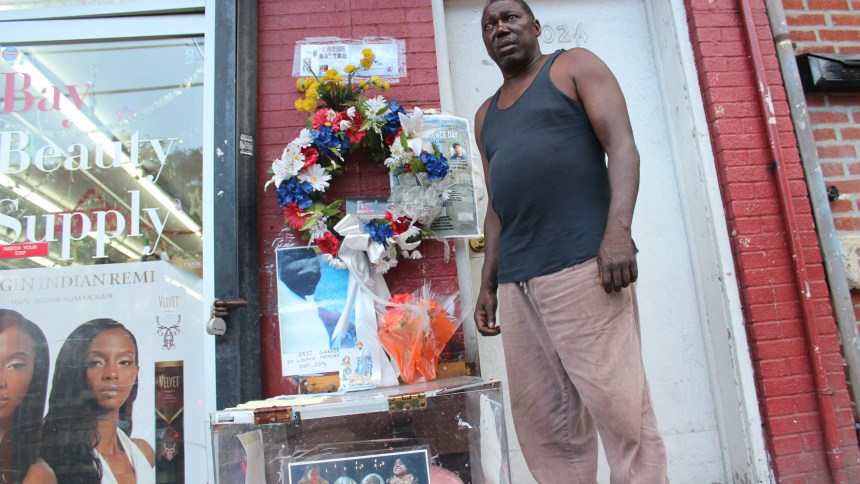
One year has passed since the death of Eric Garner and it seems New Yorkers are still living in Michael Bloomberg’s “two cities.”
In 2013, Bill de Blasio campaigned to replace the longtime mayor with a platform advocating police reform and economic populism. He won his campaign by echoing the words of protest movements and promising to help those most impacted by policing, poverty, and criminalization. But while de Blasio as mayor has reined in the city’s “stop-and-frisk” policing practice, Police Commissioner Bill Bratton has revved up so-called “broken windows” policing.
RELATED: City reaches $5.9 million settlement with family of Eric Garner
Last year, the death of Eric Garner — captured on video as he was placed in a fatal chokehold by NYPD Officer Daniel Pantaleo — helped catalyze a movement for police accountability and the release of videos of police violence being uploaded daily.
From New York to Ferguson and Baltimore, communities everywhere have flooded the streets to demand an end to police brutality and recognition that black lives matter.
#BlackLivesMatter isn’t the only movement to utilize the Internet in the pursuit of our goals, and there are forces much larger than us conspiring to ensure that we do not achieve these goals. Police and corporations are partnering to use the Internet to further criminalize black lives. Predictive policing and surveillance tools are a direct threat to black and poor communities of color. An architect of broken windows policing, Bratton declared 2015 the year of technology for law enforcement. That means license plate readers, facial recognition, body cameras, and Stingray cell phone interceptors — all advanced surveillance technologies that exacerbate racially-biased policing and further criminalizes black lives.
The response to this growing movement has been anemic. Task forces were formed and body cameras funded, but conversations in the halls of power have focused exclusively on tweaking, not truly reforming policing practices. New York has a lot of work to do to bring real systemic change to the NYPD.
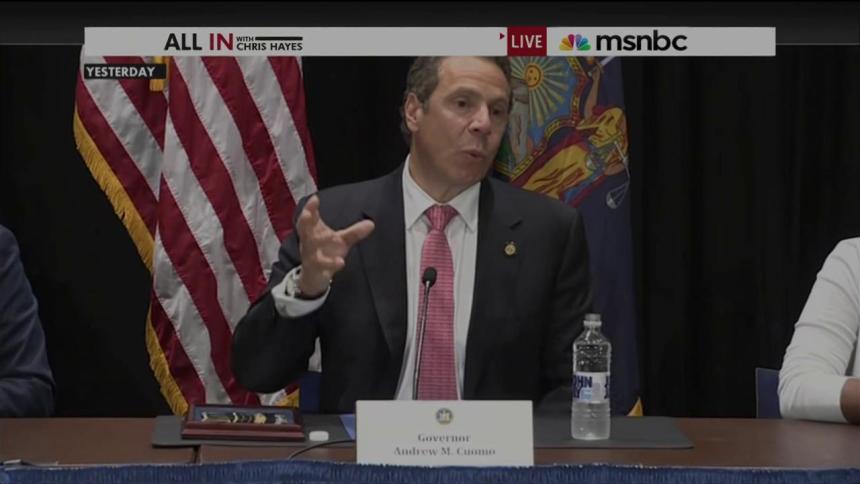
Legislatively, community groups have advocated for the passage of the Right to Know Act, which would require the police officers to tell New Yorkers their right to refuse a search when there is no probably cause or a warrant. Most recently, Gov. Andrew Cuomo has called for the appointment of special prosecutors for police killings to be a national model after families and survivors of police violence successfully lobbied the governor to appoint a special prosecutor. But this moment calls for more and the movement won’t stop until our demands have been met.
After the non-indictment of Officer Pantaleo (who has not been fired), communities in New York have called for the transformation of policing practices and police accountability. Communities of color are regularly unfairly targeted as part of broken windows policing. Who has the right to feel and be safe in this country? When police officers were reportedly told not to make unnecessary arrests as part of a work slowdown, it begs the question of why arrests that aren’t necessary would be made in the first place. Targeting black and poor communities of color with racially biased enforcement is discriminatory and has nothing to do with improving public safety. To this day, Ramsey Orta — the man who recorded the video of Garner’s fatal arrest — says he wishes he’d “not put my name out there,” after being repeatedly harassed by the NYPD.
RELATED: NY judge will not release jury transcripts in chokehold death “Budgets are about values,” de Blasio said in a statement made in February during budget negotiations. And they dictate our cities’ priorities. When we envision what actually makes us feel safe, it isn’t SWAT teams or police in our schools. It’s our homes, our families, people who can help when we are sick. We need to fund more teachers and social workers, not police officers, in our schools. We need doctors, not cops, to deal with drug addiction and mental illness. But instead of turning away from a commitment to place an additional 1,000 cops into over-criminalized communities, the mayor revealed a final budget allocating millions of dollars to add 1,300 new officers to the ranks of what already amounts to one of the world’s larger armies. If safety is to be the point, we must interrogate policing models that rely on the criminalization of black bodies and the idea that more police with guns in more places will make our communities safer. We must not tweak but transform every inch of policing from recruitment to discipline. One year later and we’re still without justice. One year later and we still are not safe. Dante Barry is the executive director of Million Hoodies Movement for Justice.
Dante Barry Recommended


