








A growing number of voices on the left are calling for more Democratic presidential debates than currently scheduled, with the liberal group CREDO Action the latest to put pressure on the Democratic National Committee to expand the debate process.
There were 26 debates between Democratic candidates during the 2008 primary season, but the DNC has planned only six debates for the 2016 cycle. And the party warned candidates thinking about straying that they will be kicked out of the official debates if they participate in non-sanctioned ones.
The plan is an attempt to bring some order to a process that was widely viewed as excessive and too demanding of candidates’ time eight years ago. But the calendar — and especially the exclusivity clause — has drawn objections from liberal candidates and advocates, who want more chances to go head-to-head with frontrunner Hillary Clinton.
Related: Bernie Sanders pitches issues-focused debate changes
Debates can favor underdogs, who benefit from the exposure and chance to take on the dominant candidate directly. Meanwhile, the high-stakes and unpredictable format can be risky for frontrunners, who have more to lose than the others.
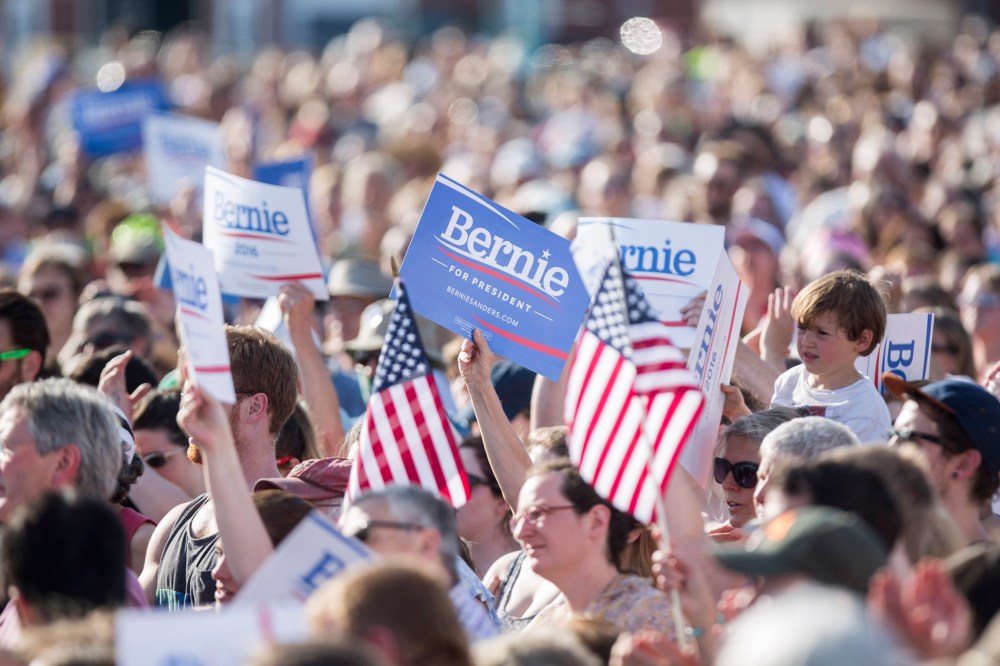
Democratic candidates Sen. Bernie Sanders and former Gov. Martin O’Malley have both expressed a desire for more debates. Sanders’ campaign has been asking supporters to sign a petition calling on the DNC to sanction more debates and start them earlier, while O’Malley’s spokesperson has said more debates would be good for the party.
On Monday, they’ll be joined by CREDO Action, the San Francisco-based online organizing group with 3.7 million members. The group’s latest campaign will target the DNC with a call for more debates.
“Educating and energizing voters should be the primary goal of the Democratic Party, not restricting important conversations between candidates,” CREDO will write to their members, according to a draft email shared with msnbc.
“Voters decide who will be the nominee. Not the media, not the Democratic National Committee, and hopefully not whichever billionaire is writing the biggest SuperPAC checks. But those voters need to actually hear from the candidates,” the group adds. And CREDO, which is not aligned with any candidate and did not join the effort to draft Sen. Elizabeth Warren into the race, is not alone.
The Progressive Change Campaign Committee has discussed the possibility of holding debates as early as August with Democratic campaigns, as first reported by U.S. News and World Report. And MoveOn.Org, which led the draft Warren campaign, has also called for more debates.
Neil Sroka, a spokesperson for Democracy for America, which grew out of Howard Dean’s campaign, said it is “incredibly important that presidential candidates have early and frequent opportunities to illustrate their commitment” to populist ideas. The group supported the draft Warren campaign and said “a free and open debate process would make it a heck of a lot easier” to inject Warren’s ideas into the process.
Last week, Sanders sent a letter to DNC Chairwoman Debbie Wasserman Schultz asking not only for additional early debates, but for inter-party debates with Republicans during the primary season. “The people of this country are tired of political gossip, personal attacks and ugly 30-second ads. They want the candidates to engage in serious discussion about the very serious issues facing our country today,” he wrote.
But the DNC says six is enough. “We’ve already released our primary debate framework, and we believe that six debates will give plenty of opportunity for the candidates to be seen side-by-side,” said DNC spokesperson Holly Shulman. “We’ll have more details in the coming weeks, and we look forward to Senator Sanders and other candidates participating.”
While growing, the call for more debates is far from universal and so far remains confined to the two candidates positioning themselves to the left of Clinton, and a handful of online organizing groups.
Related: Even GOP field amplifies debates’ importance A spokesperson for former Sen. Jim Webb, who has a presidential exploratory committee, said the potential candidate is unconcerned about the issue. “We haven’t discussed debates internally or externally. Anything is possible as far as we’re concerned,” spokesperson Craig Crawford told msnbc. Before the debate process was announced, many observers wondered if Clinton would agree to participate in more than a few debates — if any at all. So many were surprised when the DNC was able to secure her participation in the entire six-debate sanctioned process. That may be more than the underdog candidates would have been able to get on their own without the party’s involvement. Adding more debates could jeopardize Clinton’s participation. But it could also put her in the awkward position of having to choose between more debates with her long-shot rivals or looking presumptuous by snubbing them. There is a loophole, of sorts. While the extra debates are forbidden, the DNC’s rules welcome additional candidate forums, where contenders speak back-to-back from the same stage, but do not engage directly with each other. “I’m sure there will be plenty of other forums for the candidates to make their case to voters, and that they will make the most out of every opportunity,” the DNC’s Schulman said. The party will happily facilitate those type of events, but is prepared to crack down on unofficial events. But it’s unclear if the forums will satisfy critics. “In a campaign environment dominated by unlimited spending on 30-second television ads and media coverage that obsesses over the “horse-race,” the debates are one of the few opportunities to hear a conversation about serious issues between the candidates on a major stage,” CREDO will tell their members.
Alex Seitz-Wald Recommended


