








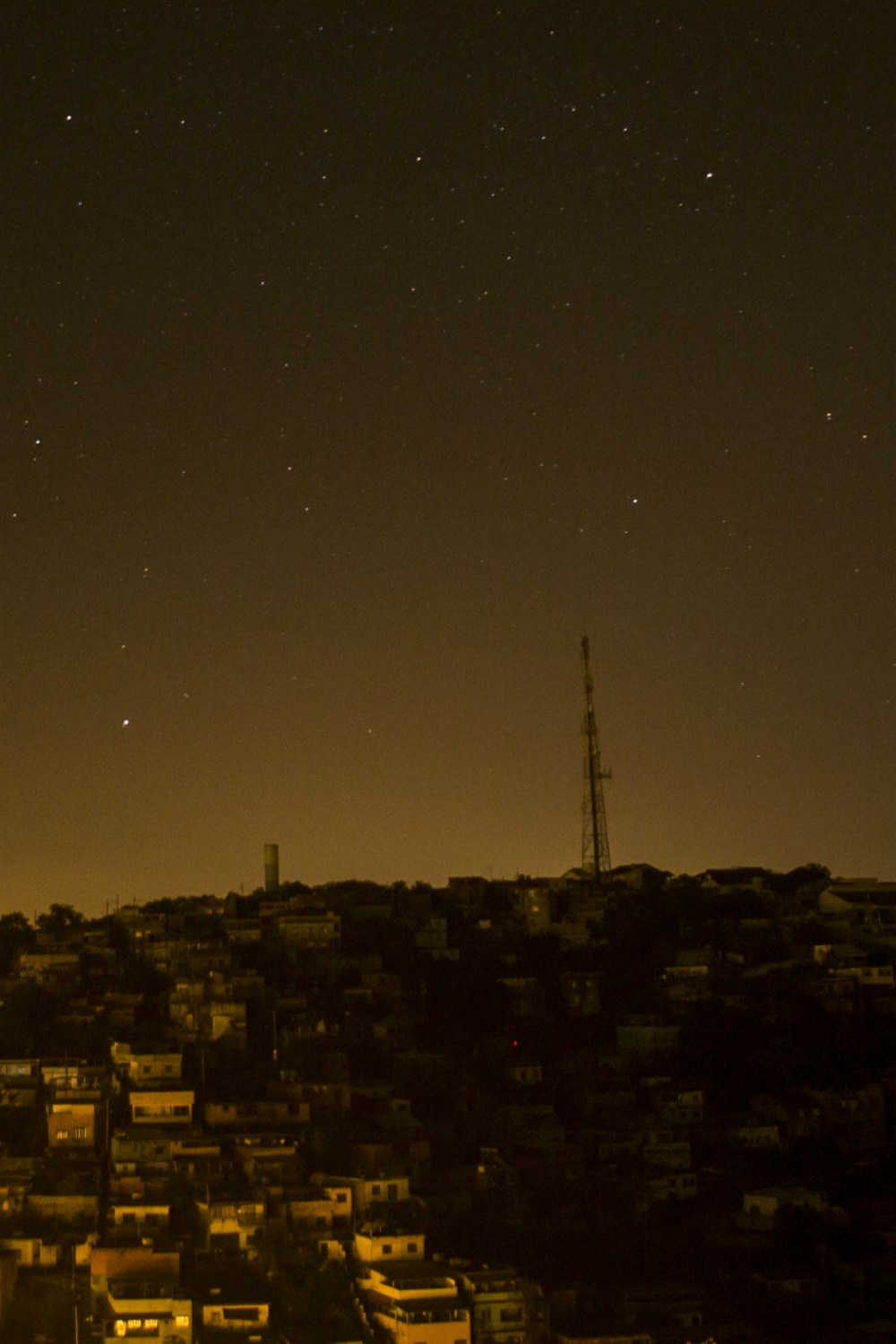
A tale of two blackouts: The 2003 North America blackout, a significant power outage across the northeast and Midwest, lasted between 12 and 48 hours amidst hot and humid weather. It affected 45 million Americans (about 15 percent of the nation) and 10 million Canadians. Airports and subways shut down. New York City went dark.
Now imagine a blackout on the equator. No running water. No refrigeration. No light. Nothing. In 2010, the tiny island nation of Zanzibar lost power for an incredible ninety days.
Roughly a million people were without power. People like Lulu, a hardworking mother of four school-age children—ages 9 through 19—who could no longer provide basic necessities for their families. Those who had generators paid ransom prices of $13 per gallon for diesel; before the blackout, prices were $4.50 per gallon.
Lulu’s family was plunged into darkness.
Lulu’s children—like many other families—studied by candlelight. According to the World Bank, in 2010 only 10 percent of Tanzania’s population had access to electricity. In rural areas, like where Lulu works, only 2 percent have power. And this is just on a good day, when there are no blackouts. In 2016, the government of Tanzania (Zanzibar is a semi-autonomous part of Tanzania) said it is trying to increase electric connectivity to half the population by 2025.
It took 90 days for the island’s undersea power cable to be repaired and reconnected to the national power grid on the Tanzanian mainland. In the interregnum, the country’s economy more or less ceased to exist. The impact was especially severe considering 49 percent of residents in the region live below the poverty line, according to local government figures.
“People don’t realize just how significant an issue energy poverty is,” says Ian Koski, spokesperson for the ONE Campaign, an international nonprofit fighting extreme poverty and preventable disease.
Koski noted that the lack of energy resources impedes the development and advancement of girls and women. In short, he said, “It affects everything.”
Through the Caterpillar Foundation’s partnership with the ONE Campaign, grants now support advocacy efforts to encourage U.S. and African leaders to prioritize energy access and create policy environments that increase opportunities to scale electricity and energy access.
One result is the Millennium Challenge Corporation, which received a grant to update Zanzibar’s electrical infrastructure and prevent future blackouts.
For Michelle Sullivan, President of the Caterpillar Foundation, that willingness to effect change via public policy is what makes ONE so important. The Caterpillar Foundation had done a great deal of research on what organizations have the most impact on policy. They found, she said, that the ONE Campaign was near the top.
Sullivan cites ONE’s success at convincing governments, particularly in Africa, “to get top policy changes in place so that their people have an opportunity to thrive. That’s when you really start to change culture.” It’s now been six years since the blackout. The power now restored, normal life has resumed. Zanzibar residents attend school, receive quality healthcare, cook in safe environments, run their businesses, and provide for their families. And Lulu is among the many on the upswing, working at a milk factory that was built after the electrical infrastructure was modernized. The factory, which employs 60 percent women, produces nearly 16,000 gallons daily, enough to give Zanzibar a surplus. While the economy isn’t “booming,” it is much better off now than before. Having energy changes everything at both the macro- and micro-economic levels. Lulu, crucially, is able to provide for her children. “Her four children all have a very different future due…in large part to a power line that brought the islands access to energy from an unstable 40 megawatts a day to a more certain and steady capacity for almost 100 megawatts daily,” Sullivan said. “We believe that people all around the world given this opportunity will lift themselves out of poverty.” ONE’s Koski is even more pointed: “Girls and women are how we are going to end extreme poverty. When we invest in them, we invest in ending poverty, and strengthen community.”
The place for in-depth analysis, commentary and informed perspectives. Recommended


