








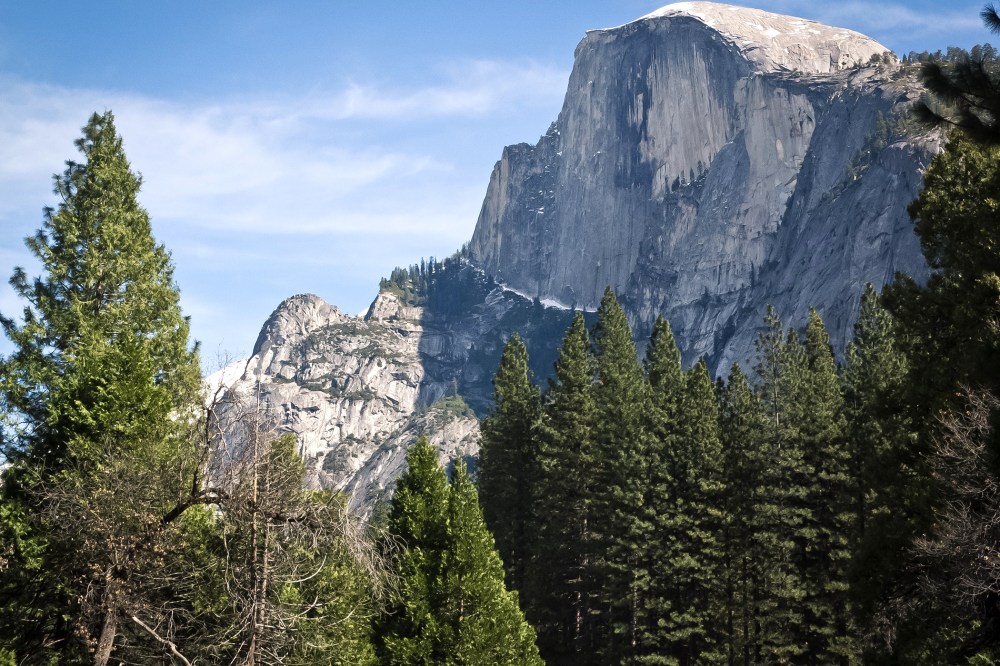
Even in times of intense partisan division, parks tend to be nearly universally popular. That’s why Robert Moses, perhaps the most influential urban builder in American history, was able to cruise to power on the basis of his reputation for building public recreation facilities. It’s why, at the height of the 2013 government shutdown, Congressional Republicans made a show out of denouncing the closure of national parks. And it’s why city and state governments around the nation continue to build parks, even in a time of strained municipal budgets. It’s as if one of the fundamental maxims of American politics was that you don’t vote against parks.
Next week, the House will consider a Republican-sponsored bill which could be taken as an effective vote against parks.
The bill is called the Ensuring Public Involvement in the Creation of National Monuments Act, but the left-leaning Center for American Progress calls it “a de facto ‘No More National Parks’ policy.” Its aim: To limit the president’s authority to unilaterally create new national parks by capping it at one park per four-year term. Under the proposed law, if the president wants to create more than one park, he needs to seek congressional approval and have a study of the potential maintenance costs drawn up.
In essence, the bill would severely curtail the president’s park creation authority under the 1906 Antiquities Act, which was signed into law by Republican President Theodore Roosevelt. Roosevelt made the most of his new-found power in the year after he signed the act, single-handedly designating eighteen new federally protected regions, including the Grand Canyon.

House Republicans have previously accused President Obama of abusing his park creation authority. Last March, Washington Republican Rep. Doc Hastings criticized the president for spending money on new parks in the midst of across-the-board sequestration cuts.
“The Obama administration not only sees the sequester as an opportunity to make automatic spending reductions as painful as possible on the American people, it’s also a good time for the president to dictate under a century-old law that the government spend money it doesn’t have on property it doesn’t even own,” he said in a statement. More recently, Utah Republican Rep. Rob Bishop — the new measure’s sponsor — claimed members of the Democratic-controlled Senate had deliberately held up a Congressional measure to designate a new park so that the president could do it himself and claim the credit. “In other words, the House was punked by the President,” he said in a statement.
Ned Resnikoff is an urban policy analyst, researcher, writer, and editor. His byline has appeared in a variety of publications, including the New York Times, San Francisco Chronicle, Dissent, and The Nation. He writes the newsletter Public Comment, which can be found at publiccomment.blog. Recommended


