








The Food and Drug Administration released the first batch of sweeping new food safety regulations Thursday that are designed to stop outbreaks of food poisoning that kill 3,000 or more people a year.
The new regulations are intended to make food processors to anticipate where germs might be getting into food products — and work ahead of time to prevent them.
It sounds like common sense, but current regulations only require that food manufacturers, distributors and regulators respond only once an outbreak starts.
RELATED: Why the FDA was right to scold Kim Kardashian
“Rather than just react to outbreaks, we are requiring food facilities to take measures to prevent them from the get-go,” said Jenny Scott, a senior adviser in FDA’s Office of Food Safety.
“It is the first time that food processors are going to be required to prevent contamination. That’s huge,” said Sandra Eskin, who directs food safety research at the Pew Charitable Trusts.
Contaminated food is an extremely common problem. The Centers for Disease Control and Prevention estimates that germs in food make 48 million Americans sick every year — that’s one out of six people. About 128,000 are made sick enough to be hospitalized, and 3,000 die.
The germs to blame include listeria, salmonella, E. coli and cyclospora.
Among the worst outbreaks in recent years:
- An outbreak of listeria traced to cantaloupe that affected at least 147 people and killed 33 of them in 2011;
- A 2012 outbreak of listeria traced to ricotta cheese that sickened 22 people and killed four;
- A 2015 outbreak of listeria from caramel apples that made 35 people sick and killed seven of them.
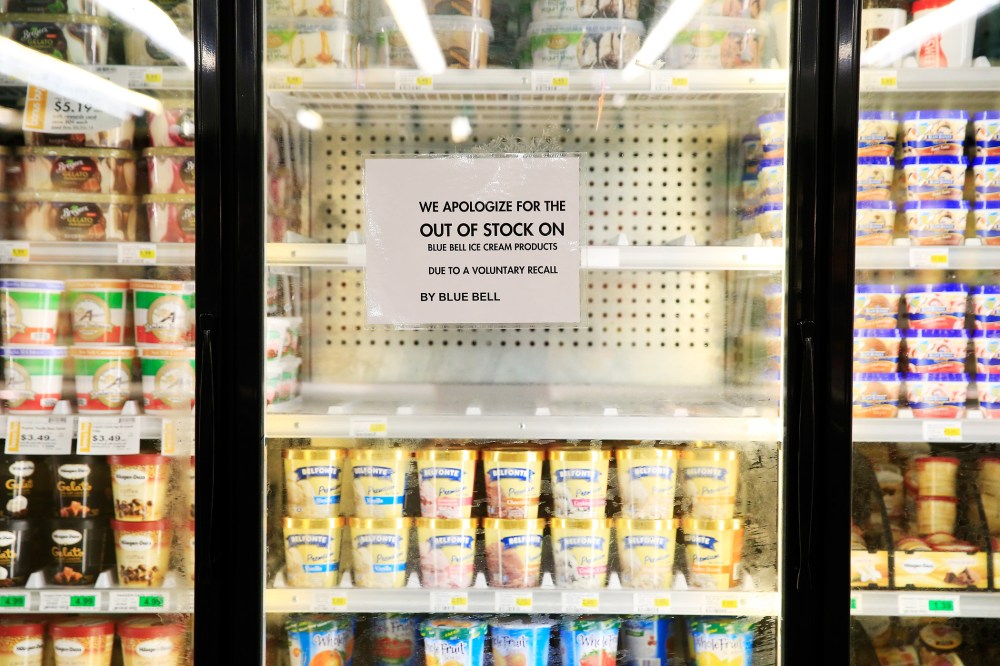
This first batch of regulations affects processed foods for people and for pets. (Think of the recent outbreak of listeria in Blue Bell ice cream and outbreaks traced to peanut butter, as well as outbreaks traced to dry pet food.) Regulations to come later this year will address fresh produce and imported foods.
RELATED: Coca-Cola’s misleading anti-obesity campaign also targets kids
It’s “the most sweeping overhaul of our food safety system … since 1906,” Michael Taylor, FDA’s deputy commissioner for foods and veterinary medicine, told reporters. The regulations will be introduced over time, starting a year from now and lasting into 2018, depending on how big the companies are. FDA will step up inspections to at least one every three years — but it’s not meant to be a hard-hitting approach. “We want to educate before and while we regulate,” Taylor said. “We believe that most people who produce food want to do it safely.” The actions are required by a law Congress passed in 2010 called the Food Safety Modernization Act. Taylor said it’s taken years to get the regulations and guidance together after talking to food producers, farmers, consumers and experts on food safety in the government and at academic institutions. “This is the first piece of this comprehensive food oversight approach,” Eskin, herself a former regulator, told NBC News. “Yes, it has taken a while to get here in terms of regulations, but it is really important to get it right,” she added. “Overall we believe that FDA has gotten it right.” Read more at NBCNews.com.
Maggie Fox Recommended


