








Sept. 15 marked the start of National Hispanic Heritage Month—or, as it is known in Spanish, Mes de la Herencia Hispana – a time when the United States pays tribute to the history, culture and contributions of past and present Hispanic Americans.
According to the 2010 Census, 50.5 million Americans identify as Hispanic—and that number is growing. Immigration has long been a part of America’s national history, and the role that immigrants have played—and still play — in building this country is one of the reasons “the American dream” is still shared around the world today. America is a place where new beginnings and new lives are possible.
From Sept. 15 to Oct. 15, msnbc.com will be profiling outstanding Hispanic activists who are making a difference in the fight for immigration reform and who are providing critical support services to undocumented communities.
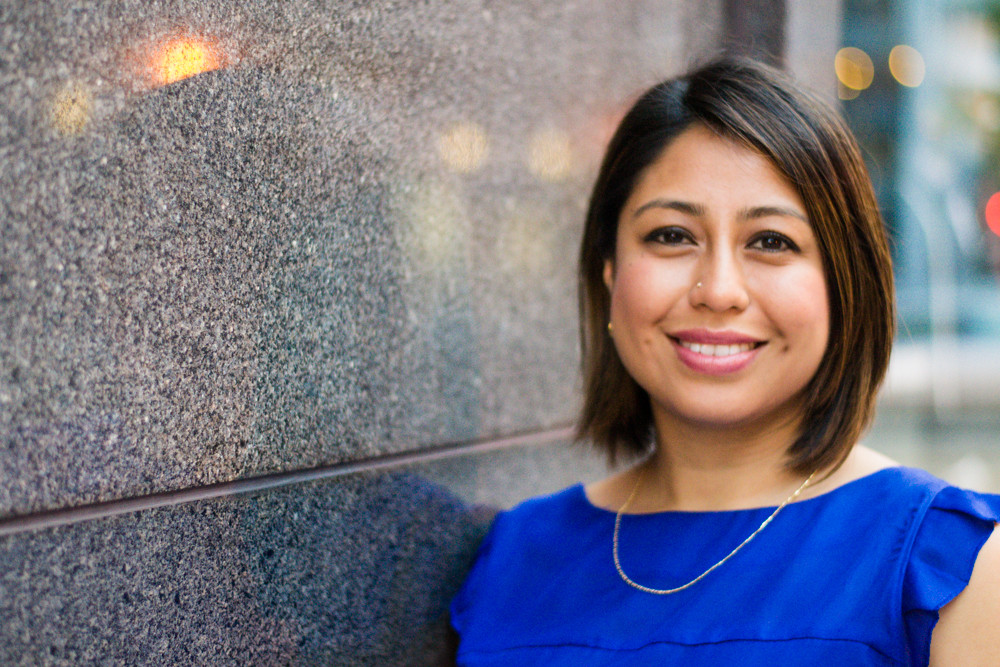
Name: Cristina Jimenez
City, State: Washington, D.C.
Occupation/Organization: Co-founder and Managing Director of United We Dream Network (UWD)
How did you get involved with immigration advocacy?
My involvement in immigration advocacy is inspired by the experience of my family and me as undocumented immigrants in this country. We came from Ecuador in 1998 seeking a better life and the opportunity for my brother and I to get an education and accomplish our dreams. Soon after arriving to this country I realized that as immigrants, who lacked immigration status, we were consigned to live in fear of deportation and vulnerable to discrimination. My parents and I have lost many friends and neighbors to deportation.
%22Every%20day%20of%20inaction%20means%20that%201%2C100%20immigrants%20will%20be%20deported%20and%20over%2070%2C000%20from%20now%20until%20November%2C%20leading%20to%20thousands%20of%20families%20torn%20apart.%22′
As a high school student, I was told by my college adviser that I couldn’t go to college because I was undocumented even though I had the grades and the extracurricular activities to be a strong college candidate. And as workers, my parents have been mistreated, underpaid and often had their wages stolen.
These experiences contradict what I know of this country and its values of equality, family, and opportunity. So as a 19-year-old I decided to join an immigrant rights organization and other undocumented youth in [New York City] to advocate for equal access to higher education for all students, regardless of immigration status, and for the rights and dignity of the immigrant community.
Give us a sense of what your day looks like:
I’m up by 7 a.m. to shower and get ready. I drink coffee while reading the news and checking my Facebook/Twitter. If I am not traveling, I join conference calls or head to UWD’s office for meetings and/or calls regarding our campaigns, fundraising, and organizational management. I strategize with UWD’s leadership and staff about the latest political developments and our campaign to win administrative relief for our community, make sure that we are on track with our budget, meet with reporters to share my story and our advocacy efforts, and strategize on how to engage supporters and the community in sustaining our work.
I usually end the day late, as I have calls with UWD organizers and affiliate leaders to prepare for actions to protect families from deportation or to hold policymakers accountable for their actions and lack of leadership. But before going to sleep I make sure to give and get love and motivation by talking to my mom and partner.
What is the biggest misconception about immigration reform/undocumented immigrants?
The biggest misconception about undocumented Americans is that we are criminals, outsiders, and “takers” (e.g., steal jobs, government benefits). In reality, undocumented Americans are workers, mothers, fathers, children and youth who have set roots in this country, lived here for a long time and have been active participants and contributors in their communities.
What is your expectation of President Obama and Congress in regard to the border crisis? Were you surprised by the president’s decision to delay executive action until after the midterms?
I expect the president and Congress to treat this as a humanitarian situation and not cave into conservative voices and leaders who have exploited this situation to attack immigrants currently in the country, spreading a racist, violent and hateful rhetoric. The president and Congress should treat children and mothers fleeing violence from Central America humanely and uphold their legal and human rights. Mass deportation of these children means sending them back to violence and potential death. This situation calls for our leaders to uphold values of compassion and providing refuge to those fleeing violence. %22The%20president%20and%20democrats%20picked%20politics%20over%20our%20families.%22′ Everyday I live in fear that my mom and dad will be deported to Ecuador, so I was outraged and disappointed at the president’s decision to delay executive action. It was another broken promise and a slap to the face of the Latino and immigrant community. The president and democrats picked politics over our families. Every day of inaction means that 1,100 immigrants will be deported and over 70,000 from now until November, leading to thousands of families torn apart. Dreamers across the country won’t stop until we win relief from deportation for our community and we will continue escalating, organizing, and building power for our community. That’s why United We Dream and other immigrant rights organizations will have a week of action on September 22-28, where immigrant youth and families will put pressure on democrats and the president to get relief from deportation for our communities now without further delays. What type of help is most needed on the ground and how can one get involved? What we most need on the ground is for immigrants and supporters to join our advocacy and organizing efforts. You can do this in multiple ways: donate to United We Dream, join our list or an affiliate near you by going to our website, www.unitedwedream.org, or text RELIEF to 877877. Share with your family and friends why you support changes to immigration policy, participate in actions online by signing petitions and sharing our Facebook and Twitter content, and participate in direct action in Washington, D.C. or in your local community. What keeps you motivated every day? My passion and commitment to create a society in which families like mine and other immigrant communities can achieve our dreams and be treated equally and with dignity. My experience as a community organizer has shown me that change is possible when we come together as one community, share our stories and dreams, and take action together to stand for our shared values, rights and vision. Stay in touch with Cristina on Twitter @CrisAlexJimenez For other stories, check out Juan’s: A grad student by day, online activist by night. (Responses were edited for clarity)
Traci Lee
Alicia Maule Recommended


