








Help us celebrate MSNBC’s first 25 years by joining us every day for 25 days as our anchors, hosts, and correspondents share their thoughts on where we’ve been — and where we’re going.
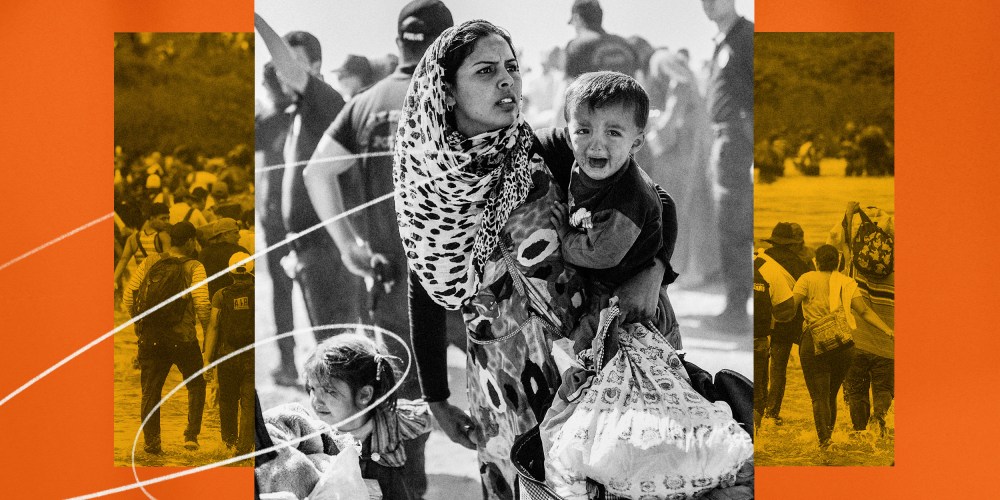
In the 25 years MSNBC has been on the air, the world has witnessed a transformative movement of peoples across borders, driven from their homes escaping wars, natural disasters and persecution. In fact, the number of refugees around the world in 2021 is the highest it has been since World War II: More than 82 million people are refugees, according to the International Rescue Committee.
If 2020 was one of the most disruptive years in recent human history, then 2021 is a crucial test for how the world responds — and how we as journalists and news organizations cover their plight.
Economic hardship, fueled by a devastating global pandemic, new and unresolved conflicts and accelerated climate change, is likely to perpetuate the refugee crisis for years to come.
Economic hardship, fueled by a devastating global pandemic, new and unresolved conflicts and accelerated climate change, is likely to perpetuate the refugee crisis for years to come. The Covid-19 pandemic did not discriminate, but more advanced economies will be able to recover more quickly, making them magnets for those fleeing countries where the vaccine roll-out and economic recovery remain lagging.
Here at home, the Biden administration is dealing with its own migration crisis at the southern border. For decades, Central American countries like Guatemala, El Salvador and Nicaragua have funneled migrants to the U.S. On a recent assignment to Guatemala, I saw and heard firsthand what is motivating the surge. Crushing poverty as a result of corruption, climate change and an unequal distribution of wealth has all but gutted the middle class. The poorest people can no longer survive and have no choice but to leave in pursuit of better living conditions elsewhere. Organized crime and narco-traffickers have undermined the state’s ability to control its own borders to reduce the flow of people risking their lives to reach the U.S.
To solve this problem, experts say, we need transformative policies in Central America. As history has shown, throwing money at a crisis without pursuing progressive, comprehensive policies of reform, good governance and economic prosperity for all is unlikely to have much of an impact anytime soon.
In other parts of the world, the refugee crisis and migration of people is fueled by years of war. In 2021, the U.S. withdrawal from Afghanistan has many concerned about what will happen if a resurgent Taliban puts the country back under its oppressive, draconian rule. The return of the Taliban could see Afghanistan descend into yet another bloody civil war, forcing thousands of refugees into neighboring countries like Iran and Pakistan and ultimately, as we have seen in recent years, to Europe’s doorstep. America’s longest war will soon conclude without any guarantees or assurances that whatever small gains were made for Afghan women and pro-democracy allies will be preserved without U.S. firepower backing up the central government in Kabul.
It’s not just Afghanistan. Around the world, the rise of new and persistent conflicts are exacerbating the global refugee crisis. From the Horn of Africa and the ongoing conflict in Tigray, Ethiopia, to the Syrian civil war that has pushed millions of refugees into neighboring Turkey, Lebanon and Jordan, conflicts that remain unresolved mean citizens who cannot return home. This, in turn, strains local resources in host countries. The influx of refugees moving across borders has also shifted global politics to the right, which has resulted in more xenophobic and anti-refugee policies in Europe and here in the U.S., according to human rights groups. Under the Trump administration, refugee access had ground to a halt, even before the pandemic restricted movement and travel. In Europe, right-wing politicians have campaigned on both anti-immigration and anti-refugee platforms. With so many political, economic and environmental challenges contributing to the mass migration of people across borders and regions, the global response in the coming years — and in the wake of the Covid-19 pandemic — will be a real test. Can the international community remain committed to ensuring the founding ideals of the United Nations Charter, which pledges to work to end war, safeguard human rights and promote economic and social prosperity? As journalists, we must not lose sight of those ideals — and these challenges. But above all else, we must not lose sight of the humanity of those escaping hardships. How we tell this story will be more important than ever.
Ayman Mohyeldin is a host of "‘The Weekend: Primetime" and an MS NOW political analyst. Recommended


