








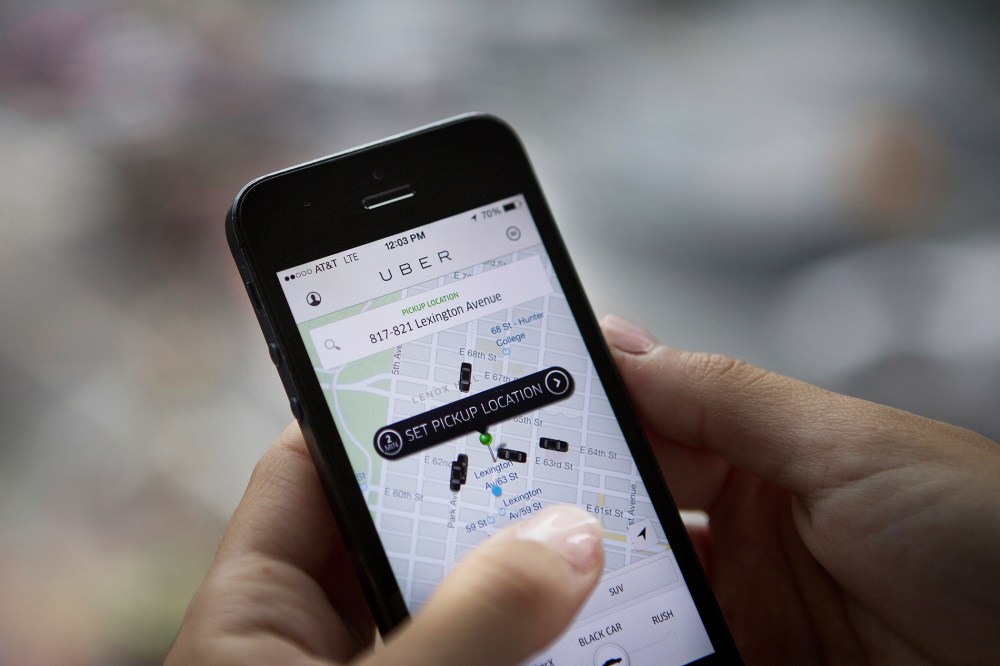
With the Northeast bracing for winter storm Juno, which is expected to wreak havoc on commuters and dump up tothree feet of snow across parts of the region, many Americans will inevitably rely on ride-sharing services like Uber and Lyft. And just like during previous natural disasters, surge-pricing is expected to kick in — and with it, criticism of the app-based companies is expected to spike.
WATCH: What the ‘Uber economy’ means for America
The good news: What critics call “price gouging” might not be as extreme as in the past — at least not everywhere. Over the summer, Uber agreed to cap fares in New York whenever a state of emergency is declared, which New York’s Gov. Andrew Cuomo did early Monday. Thus, Uber will not be allowed to charge more than the fourth-highest price range in the area on non-emergency days over the past 60 days. (In addition, a portion of the total fare during such emergencies will be donated to the American Red Cross’ disaster relief efforts.)

“Uber is committed to getting riders safely and reliably to where they need to be,” Uber spokeswoman Natalia Montalvo told msnbc, “and we urge everyone to use extra caution when out on the roadways today. Per our national policy, during states of emergencies,” she continued, “dynamic pricing will be capped and all Uber proceeds will be donated to the American Red Cross to support relief efforts.”
Paige Thelen, a spokeswoman for Lyft, said that – as always — the company will cap emergency surge-pricing at 200%. “We’ve also communicated to drivers that they should only drive if they feel safe to do so,” she said.
The policies have been put into place following big storms in which customers complained about paying as much as seven or eight times normal charges in some places.
RELATED: Governors declare states of emergencies ahead of storm
Uber in particular has had to deal with a number public relations firestorms in emergency situations. During Hurricane Sandy in 2012, the company was criticized for implementing its price surge system as New Yorkers tried to evacuate. More recently, the ride-sharing service came under scrutiny after surge-pricing kicked in during the Sydney hostage crisis as residents attempted to flee. Whenever demand for rides outnumbers drivers available, Uber raises its prices — that’s how it works, Uber says; it’s a supply-and-demand enterprise. The company has argued that it’s basic economics — higher prices encourage more drivers to work—and that the prices eventually fall as cars become available. But critics say the practice is akin to price-gouging. Dave Sutton, a spokesman for the campaign “Who’s Driving You?, spearheaded by the Taxicab, Limousine and Paratransit Association, said “The problem with the upcoming storm is even when Uber announces ahead of time that surge-pricing may go into effect, many customers don’t realize until it’s too late. It happens again, again, and again. It’s a real problem.”Recommended


