








It’s been two years this month since 200 fast food workers in New York City took to a picket line rather than show up for work. Since then, the rallying cry “$15 and a union” has spread across the country, resulting in thousands of people going on strike across hundreds of American cities. The workers don’t have their union just yet, but unprecedented worker unrest in low-wage service jobs has already had some significant political consequences. Thanks in large part to that grassroots pressure, legislatures from coast to coast have been hiking their state and local minimum wages.

Now it’s the voters’ turn. This year, several states have minimum wage hikes on the ballot, meaning there could potentially be another sweep of wage hikes this week and another significant victory for organized low-wage workers’ movements. And the contentious topics on the 2014 ballot don’t stop at the minimum wage: They also encompass paid sick leave, the right to choose, fracking, marijuana decriminalization, and a number of other defining issues of the modern era.
Read on to learn about some of the major initiatives being put to the voters this year:
MINIMUM WAGE:
Alaska: Could raise its minimum wage to $9.75 from $7.75.
Arkansas: Could raise its minimum wage to $8.50, from $6.25. (The current federal minimum wage is $7.25.) (Update: NBC News projects victory for the minimum wage hike by a margin of roughly 30 points)

Illinois: Could raise its minimum wage to $10, from $8.25.
Nebraska: Could raise its minimum wage to $9 from the current federal minimum wage of $7.25. (Update: NBC News projects that Nebraska will raise its minimum wage.)
South Dakota: Could raise its minimum wage to $8.50 from the current federal minimum wage of $7.25.
RELATED: Mitch McConnell projected winner in Kentucky US Senate race
Wisconsin: There’s no binding vote in Wisconsin on raising the state minimum wage, but voters in nine counties have the opportunity to vote for a non-binding referendum signalling their support for raising the state minimum wage from $7.25 (the federal minimum) to $10.10, the federal minimum wage level favored by the White House.
PAID SICK LEAVE:
California: The same Oakland ballot initiative that would raise its minimum wage also would require that employers offer their employees at least one hour of paid sick leave for every 30 hours on the job. Right now, California gives workers a minimum of 24 hours, or three normal work days, of paid sick time.
Massachusetts: The Bay State is also weighing a proposal that would allow employees to accrue a minimum of one hour of paid sick time for every 30 hours worked. In both states, employers would be allowed to cap the amount of paid sick time earned at 40 hours annually. If the Massachusetts initiative is approved, it will be the third state to institute a paid sick day, law after Connecticut and California.
PHOTO ESSAY: Voters, young and old, take to polls
REPRODUCTIVE HEALTH:
Colorado: An amendment to the state constitution which defines “unborn human beings” as persons. (Update: NBC News has projected that the proposed amendment has failed.)
North Dakota: An amendment to the state constitution reading, “The inalienable right to life of every human being at any state of development must be recognized and protected.”
Tennessee: An amendment to the state constitution which reads, in part, “Nothing in this Constitution secures or protects a right to abortion or requires the funding of an abortion.”
DRUG WAR:
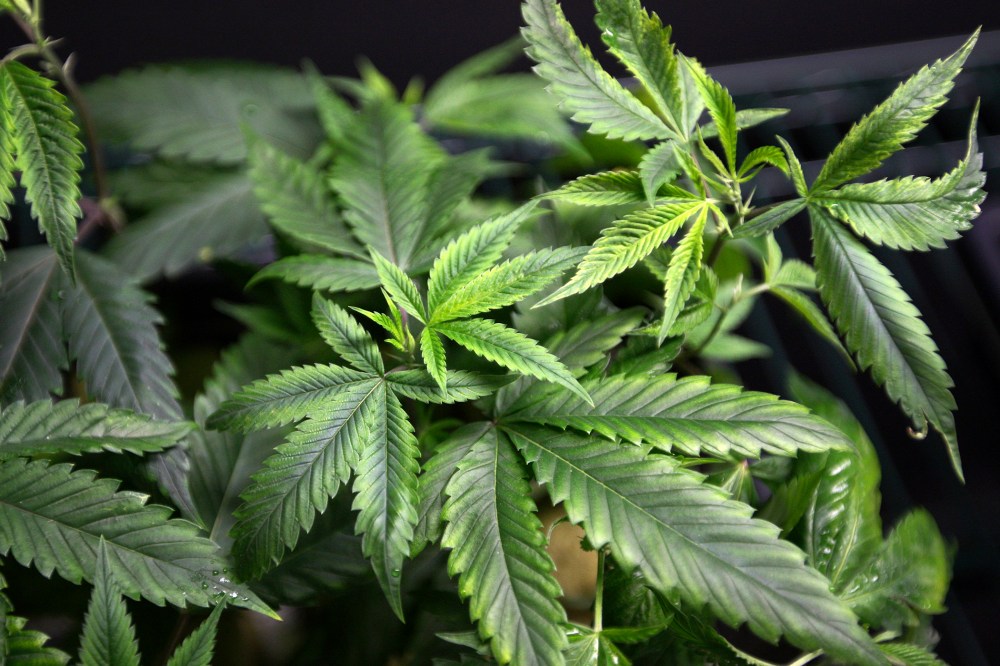
California: Considering a ballot initiative that would reduce sentences for non-violent drug charges and petty theft convictions from felonies to misdemeanors. District of Columbia: Could legalize personal possession of up to two ounces of marijuana, although commercial sales would still be outlawed. (Update: As of early Wednesday morning, this measure is leading significantly in the polls.) Florida: Considering a constitutional amendment allowing doctors to prescribe medical marijuana to their patients. (Update: NBC News projects that this proposal has failed to clear the required 60% threshold to pass.) Massachusetts: There’s no binding legalization measure on the ballot, but voters in eight districts will get to vote on a non-binding resolution asking whether the legislature should “allow the state to regulate and tax marijuana in the same manner as alcohol.” Oregon: A measure intended to legalize recreational marijuana use and set up a regulatory structure to govern its commercial sale. (Update: NBC News projects this ballot initiative has passed.) FRACKING: California: Santa Barbara county voters have a chance to vote on whether to ban fracking. Texas: A local measure in the town of Denton would ban fracking within the city. VOTING RIGHTS: Connecticut: The state constitution currently bans early voting. If approved, this ballot initiative would change the language in the constitution to make early voting permissible. Illinois: Weighing the so-called “right-to-vote amendment,” a constitutional amendment to prevent anyone from being denied the right to vote based on their membership in a minority group. Missouri: A very limited early voting proposal is on the ballot, allowing for six days of early voting before the election, but only during normal business hours at the local election authority. Montana: Voters in the state are given the option to eliminate same-day voter registration.
Ned Resnikoff is an urban policy analyst, researcher, writer, and editor. His byline has appeared in a variety of publications, including the New York Times, San Francisco Chronicle, Dissent, and The Nation. He writes the newsletter Public Comment, which can be found at publiccomment.blog. Recommended


