A federal appeals court has ruled against the Colorado-based Little Sisters of the Poor Home for the Aged, finding that employees of such religious nonprofits must be able to access contraceptive coverage in line with the Affordable Care Act (ACA).
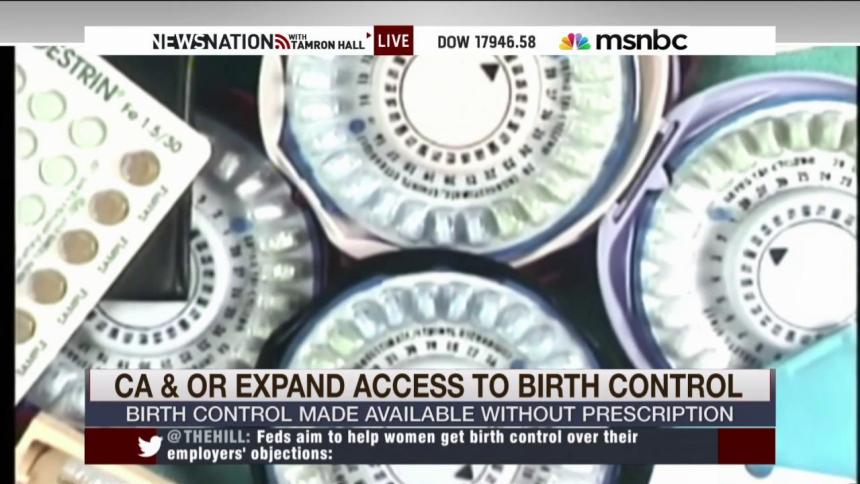
Unlike last year’s controversial Supreme Court case, Burwell v. Hobby Lobby Stores, Inc., which successfully challenged the health care law’s birth control mandate in its entirety, this case targeted a federal accommodation for nonprofit organizations with religious objections to birth control. All those groups have to do, under the accommodation, is submit a formal objection to including contraceptive coverage in their employee health plans, so that their health insurance issuers or a third-party administrator can provide the coverage directly.
The Little Sisters of the Poor argued that even that work-around substantially burdened the group’s sincerely-held religious beliefs and should be blocked under the Religious Freedom Restoration Act (RFRA) — the same law at the heart of last year’s Hobby Lobby ruling, which found that closely-held for-profit corporations would not have to cover the cost of birth control if doing so violated those companies’ religious beliefs.
RELATED: Supreme Court may revisit abortion, birth control next term
A three-judge panel of the 10th Circuit Court of Appeals, however, disagreed. In a 2-1 decision released Tuesday, the court concluded that “the accommodation scheme relieves Plaintiffs of their obligations under the Mandate and does not substantially burden their religious exercise under RFRA or infringe upon their First Amendment rights.”
It is the sixth appeals court to find that the ACA accommodation poses no substantial burden to nonprofit groups’ religious beliefs, according to the ACLU.
“The court’s opinion is a huge victory for women,” said Brigitte Amiri, senior staff attorney for the American Civil Liberties Union’s Reproductive Freedom Project, in a statement. “Religious liberty is fundamental value, and one that we fight for here at the ACLU. But religious freedom doesn’t give the plaintiffs in these cases the right to discriminate against their female employees.”
Meanwhile, Mark Rienzi, senior counsel of the Becket Fund for Religious Liberty and lead attorney for the Little Sisters of the Poor, said he was “disappointed” with the decision.
“It is a national embarrassment that the world’s most powerful government insists that, instead of providing contraceptives through its own existing exchanges and programs, it must crush the Little Sisters’ faith and force them to participate,” Rienzi said in a statement. “Untold millions of people have managed to get contraceptives without involving nuns, and there is no reason the government cannot run its programs without hijacking the Little Sisters and their health plan.” RELATED: Hobby Lobby ruling does not mean you don’t have to sign a form Tuesday’s decision comes less than one month after the nation’s highest court upheld — for the second time — a key provision of President Obama’s signature health care law. Earlier this year, however, the justices sent a more muddled message on where they stood regarding the law’s accommodation for religious nonprofits. In March, the high court issued what’s known as a GVR, or “Grant, Vacate and Remand” order, which tossed out a 2014 decision from the 7th Circuit Court of Appeals that refused to honor the University of Notre Dame’s religious objection to providing contraceptive coverage. That order required the 7th Circuit to revisit the case, but not necessarily reach a different conclusion — which, it didn’t. Two months later, the 7th Circuit again found the ACA’s accommodation adequately met the Catholic institution’s religious objections to covering birth control for students and staff.
Emma Margolin
Emma Margolin is a reporter at MSNBC.com. Recommended