








MICHELLE MAJOR
Co Director & Executive Producer
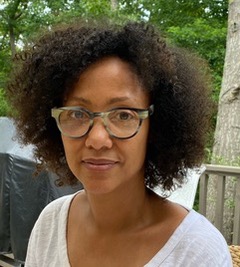
What drew me to the story of the shooting death of a black teenage boy at the hands of a white police officer in the racially harmonious town of Teaneck was that, although the defining event took place over 30 years ago, its timeliness was undeniable. This story is not just the story of one town, but also the story of our entire nation’s complicated relationship to race. It’s my hope that recounting the events surrounding Phillip Pannell’s killing, and the ensuing trial of the police officer who shot him, will bring about change and healing for the individuals involved, for the town of Teaneck and for our country. It’s easy to take sides quickly along traditional lines of race, religion, and affiliation; however, I ask the audience to suspend the inclination to prejudge. Whatever you think going in, allow yourself to consider the other side and, instead of pointing fingers, think of how you can personally contribute to a more tolerant and inclusive world.
DANI GOFFSTEIN
Co Director & Executive Producer
I grew up in a strange little town outside of New York City—Teaneck, New Jersey. Teaneck is a special place that proudly touts the diversity of its constituency. In any of Teaneck’s commercial districts or public facilities—parks, restaurants, shopping centers, etc.— the town’s diverse racial and ethnic makeup is on full display. But when you return home to your group’s “section of town” (mine was known as the “Hebrew Hills,” where the Jews resided), all your neighbors look exactly like you.
As a kid, I remember learning about Jim Crowe in history class and thinking that it didn’t sound all that different from what I experienced growing up. For example, Teaneck has two separate Little Leagues: White kids join the Teaneck Baseball Organization, and Black kids play in the Teaneck Southern Baseball League. On Queen Anne Road, there are two barbershops next to each other: “Chubby’s,” where White people get haircuts, and “The Chop Shop,” where Black people get haircuts. For an integrated community, Teaneck always felt oddly segregated.
I began connecting the dots one Saturday afternoon when I was eleven years old. While walking home from synagogue, my father pointed out a small yellow house on the corner of Intervale and Teaneck Road and said, “You know, a cop shot a boy in that backyard.” My father went on to tell me about the incident that had sent my hometown up in flames just two years before I was born.
After my parents divorced, the aimless, angst-ridden rebel in my thirteen-year-old self sought to expand its cultural horizons. One day, I decided to cross the “color line.” When my mother dropped me off in front of Chubby’s for a haircut, I walked over to The Chop Shop. I started getting my haircuts there, and for the first time in my life, I made friends with people who were Black. I became consumed with Black culture, and even studied the precepts of the 5% Nation of Islam when I wasn’t in yeshiva learning Torah.
I soon learned that Martyse, the owner of The Chop Shop, was a friend of Phillip Pannell, the boy who had been killed behind the yellow house. Martyse was affiliated with Pannell’s tight-knit group of friends known as “The Violators.” I’d hear firsthand accounts of what it was like during the “suburban race war.” The riot. The marches. The walkouts. The trial. The event that sparked a national discussion.
I began developing this story in 2017, doing initial interviews with friends of Phillip Pannell, police officers, residents, journalists, Rev. Al Sharpton, and eventually the Pannell family. Then this past summer, following the killings of George Floyd, Breonna Taylor and Ahmaud Arbery, the story suddenly took on a whole new life. I returned to my hometown of Teaneck to capture how the national outrage would manifest, given the town’s unique history with such issues. The Pannell’s granted me permission to document them at a critical juncture—from June through October of 2020— when they felt compelled to share their story publicly for the first time in thirty years, willing to relive their tragedy to fight for systemic change.
What I uncovered during this time was the story of a “forgotten family,” whose Black Lives Matter began thirty years ago, seeking closure and justice in the current zeitgeist; their story exposed a town fragmented over how its history should be written.
It’s heartbreaking at times and inspiring at others. But most of all, it’s a story that has never been more important than at the current moment. For Phillip Pannell, Teaneck, and our fractured nation, now is the time to share this consequential piece of forgotten history.
TYGER WILLIAMS
Executive Producer
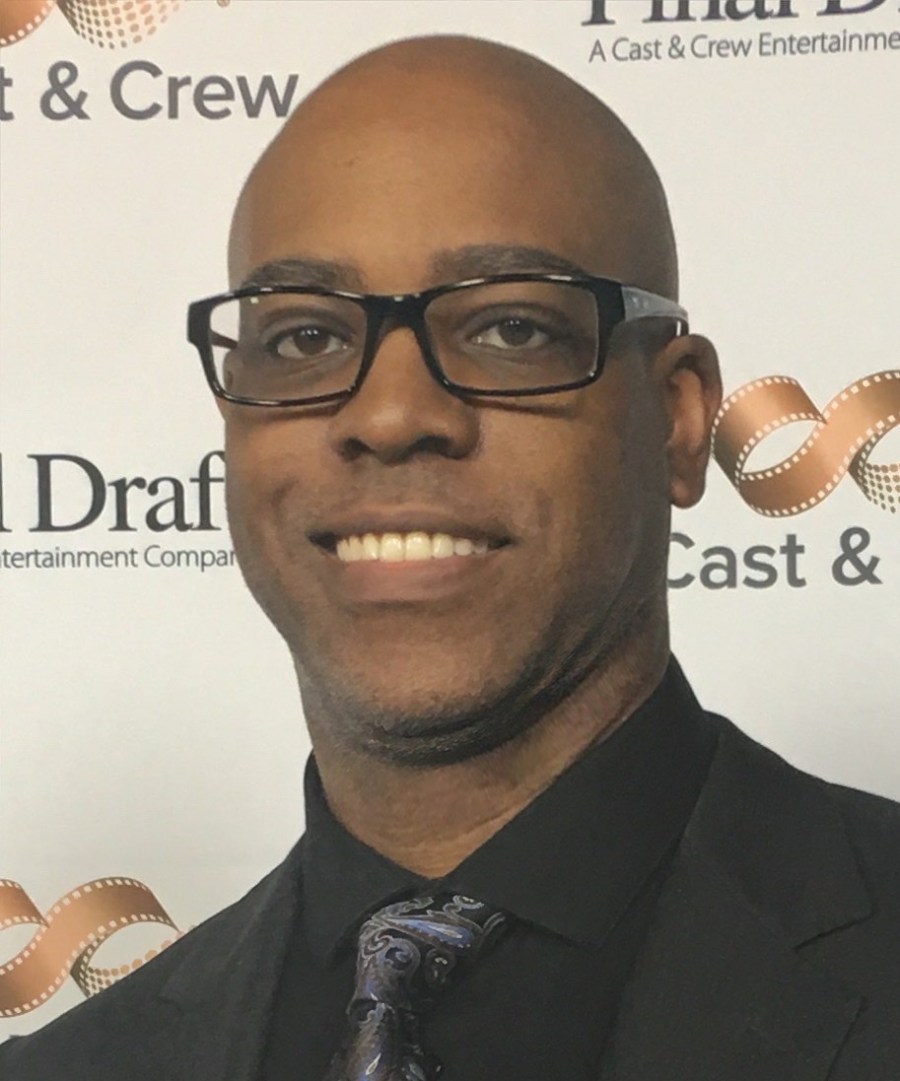
Tyger Williams is a film and television writer best known for the critically acclaimed urban drama, Menace II Society. The film debuted at the Cannes Film Festival as part of the Directors’ Fortnight section, was nominated for an Independent Spirit Award for Best First Feature and went on to win the MTV Best Movie of the Year award.
Currently a Co-Producer on the FX series Snowfall, his previous credits include romantic thriller, The Perfect Guy and the Netflix series Self Made: Inspired by the Life of Madam CJ Walker.
A longtime Creative Advisor with the Sundance Institute Screenwriting Labs, Williams is also an Adjunct Professor in the Writing Division at the USC School of Cinematic Arts and the UCLA School of Theater, Film and Television. He attended the University of Utah and California State University Long Beach, where he studied film, television and marketing. He is a member of the Academy of Motion Pictures Arts and Sciences and the Writers Guild of America, West.
So Why Model America? And why now? Anyone who has experienced the year 2020 should understand “Why now?” While the death of Phillip Pannell might be called case “Ground Zero” in terms of the shooting of innocent Black men by police, we know that, historically, this isn’t entirely accurate. Although there may not be any camera footage or witnesses willing to go on the record, Black American men, women and children alike have been randomly killed by White law enforcement officers and mobs for decades. The duration of these crimes is in part my answer to “Why now?”
I was barely out of my teens when the incident with Phillip Pannell happened. I recall some mention of it, as I was in California at the time. I don’t remember if the coverage was heavy, or if I was just too busy being a young man and living my life.
I’ve had a few encounters with the police, and almost all of them have taken place over traffic stops, mistaken identity, suspicious behavior, etc. Any one of those interactions could have ended my life. I’m thankful none of them did, but when thinking about the Pannell case, I am sharply reminded that I am he and he is me. As Black kids, we both waded through youthful prepubescent, adolescent, and teenage years. I made it to adulthood. He did not… And so many others have not.
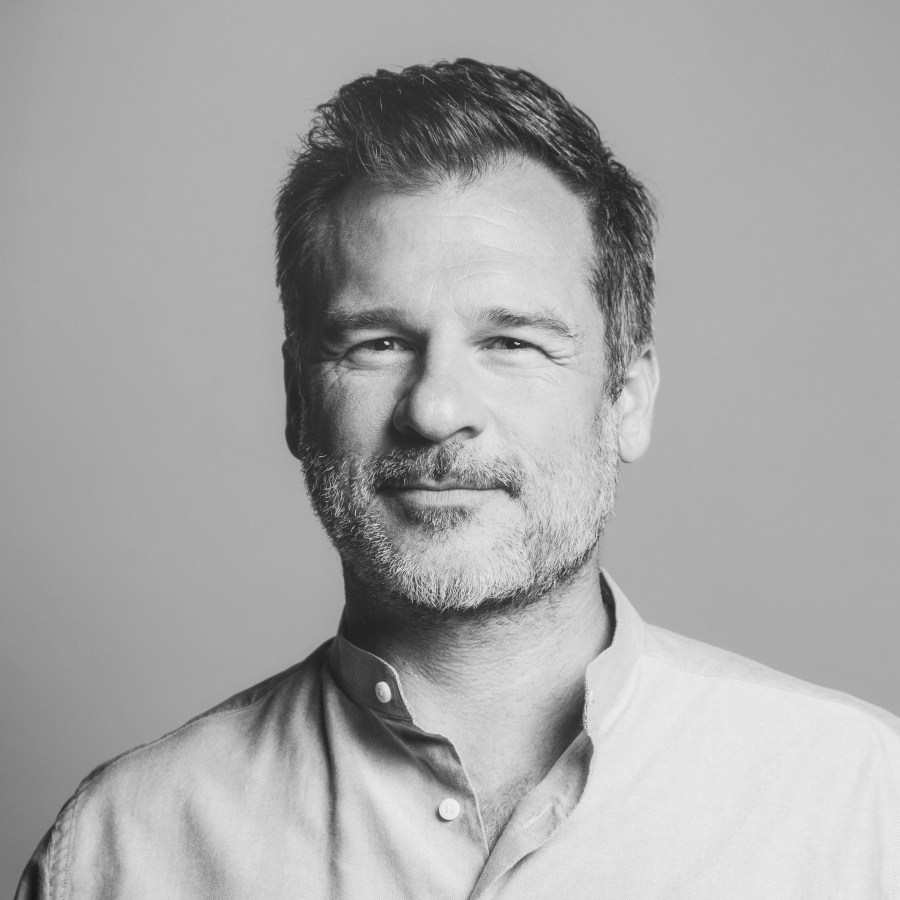
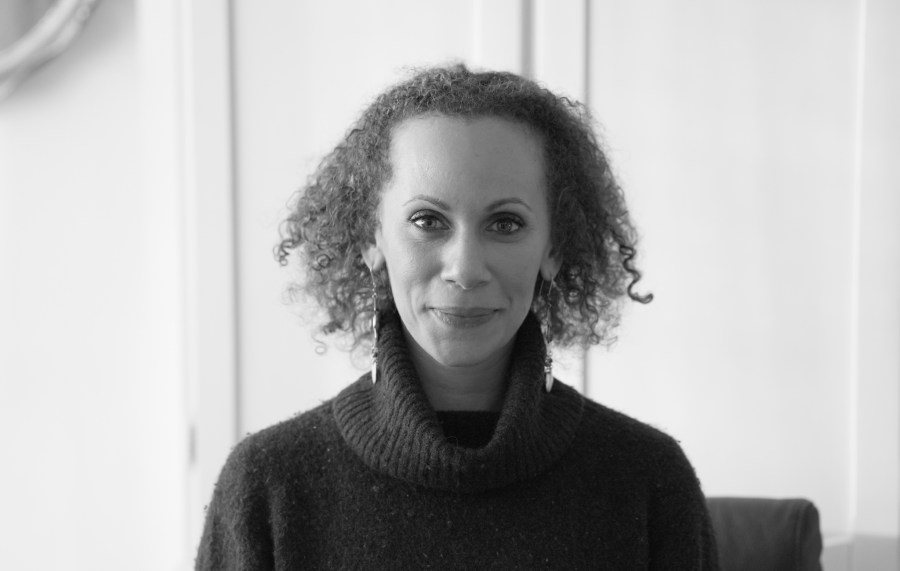
I spent my last year of high school in the “ninety-percent white” suburbs. For the most part, the community considered itself accommodating, diverse and progressive although, like in Teaneck, the town was somehow residentially stratified along racial lines. Still, almost everyone seemed to get along. Until they didn’t. Only two years after I left for college did that quiet suburb, and that same high school, erupt in a series of racially motivated acts of violence that pitted Blacks and Whites against each other on a regular basis. Some of the same White kids I had considered friends now vehemently held the “White” line, calling themselves by whatever group name they were using at the time. The cracks in the facade of racial harmony troubled me then… After the Rodney King verdict and subsequent riots, I began to question the hope of peaceful existence between theraces. Watching the social protests in 2020, those same questions remain unanswered. The past case of Phillip Pannell is a good place to start searching for answers. Perhaps somewhere in the thirty-year-old police reports, court records, or eyewitness testimony, something can be found, and something can be gained to make up for what was lost. Nothing can fix what happened then, but possibly, there is a way to prevent it from happening over and over again. It is my hope that by revisiting the Pannell incident, proper respect can be paid, old wounds can be healed, and the lessons of the past can shine a light on a hopefully brighter future for us all. Ethan Goldman is the founder and President of Anchor Entertainment. Before launching Anchor, Ethan developed multiple limited-run series including Showtime’s THE TRADE, an official selection of the 2018 Sundance Film Festival and recipient of IDA’s Best Episodic Series award; as well as CULTURESHOCK (A&E), a collection of five films from five filmmakers chronicling the untold stories behind watershed moments in pop culture that created a lasting impact on society. Ethan also served as Executive Producer on director Mor Loushy’s CENSORED VOICES, an official selection of Berlinale 2015, nominated for both the Grand Jury Prize for World Cinema at Sundance and the Grierson Award at the BFI London Film Festival. Keayr Braxton is a seasoned Showrunner and Director with a long track-record in documentary storytelling and credits that include Discovery+, Magnolia Network, OWN, VIACOM, ABC, Facebook and more. Prior to joining Anchor, she was an Executive Producer at Lucky 8 TV, where she oversaw documentary series including A&E’s 60 Days In and RELEASED with Executive Producer Oprah Winfrey. Keayr’s committed to stories that foster dialogue across divides and creatively move the needle on social change. Psycho Films is a Los Angeles-based production + management company with an industry-leading roster of directors and writers. Psycho has worked with artists including Kendrick Lamar, Doja Cat, Vince Staples, and Dominic Fike – amassing over 2 Billion views collectively. In addition to Model America, Psycho Films produces the hip-hop/basketball competition series The Crew League, one of the most watched shows on Sean “Diddy” Combs’ RevoltTV. They are currently in production on their debut feature film, Little Death. NBC News Studios is a division of NBC News that specializes in documentary storytelling. Working with Studios offers producers and filmmakers access to everything our legacy news organization has to offer: eight decades of TV and radio archive; a global network of journalists; and rich trove of stories. Our team has decades of experience in the TV and documentary worlds and has been honored with multiple Emmy, Peabody and DuPont awards. Our recent collaboration with Focus Features, Dawn Porter’s “The Way I See It,” was the highest rated non-news program in MSNBC’s 25-year history, the winner of the best documentary feature at the New York Film Critics Online award and was recently nominated for a News & Documentary Emmy.”
The place for in-depth analysis, commentary and informed perspectives. Recommended


ETHAN GOLDMAN
Executive Producer
KEAYR BRAXTON
Executive Producer/Showrunner
PSYCHO FILMS
Executive Producer
ABOUT NBC NEWS STUDIOS
