








RACIAL DISCRIMINATION IN STOP-AND-FRISK
EDITORIAL
NEW YORK TIMES
At the heart of the Floyd case are statistics showing that the city conducted an astounding 4.4 million stops between January 2004 and June 2012. Of these, only 6 percent resulted in arrests and 6 percent resulted in summonses. In other words, 88 percent of the 4.4 million stops resulted in no further action — meaning a vast majority of those stopped were doing nothing wrong. More than half of all people stopped were frisked, yet only 1.5 percent of frisks found weapons. In about 83 percent of cases, the person stopped was black or Hispanic, even though the two groups accounted for just over half the population. The city has consistently said that the disparity was justified because minority citizens commit more crimes. But Judge Scheindlin trenchantly rejected this argument. As she pointed out, “this reasoning is flawed because the stopped population is overwhelmingly innocent — not criminal…
STOPPING AND FRISKING THE COPS
EDITORIAL
WALL STREET JOURNAL
Since the plaintiffs weren’t seeking monetary damages, but only changes in policy, they were permitted to request a trial without a jury, which they did. That’s their right, but it’s curious since so many in the media keep telling us how controversial the NYPD’s tactics are among the public. Apparently the lawyers knew better than to put this case in front of average New Yorkers. The upshot is that Judge Scheindlin has enjoyed complete discretion, at least until the Second Circuit U.S. Court of Appeals or Supreme Court weigh in. … The tragedy is that if the judge’s ruling isn’t overturned, the victims won’t be in the tony precincts of liberal New York. They will be in the barrios and housing projects where stop-and-frisk has helped to protect the most vulnerable citizens, who are usually minorities.
EUGENE ROBINSON
WASHINGTON POST
President Obama’s message about the government’s massive electronic surveillance programs came through loud and clear: Get over it. The president used more soothing words in his pre-vacation news conference Friday, but that was the gist. With perhaps the application of a fig leaf here and a sheen of legalistic mumbo jumbo there, the snooping will continue. Unless, of course, we demand that it end. The modest reforms Obama proposed do not begin to address the fundamental question of whether we want the National Security Agency to log all of our phone calls and read at least some of our e-mails, relying on secret judicial orders from a secret court for permission. The president indicated he is willing to discuss how all this is done – but not whether.
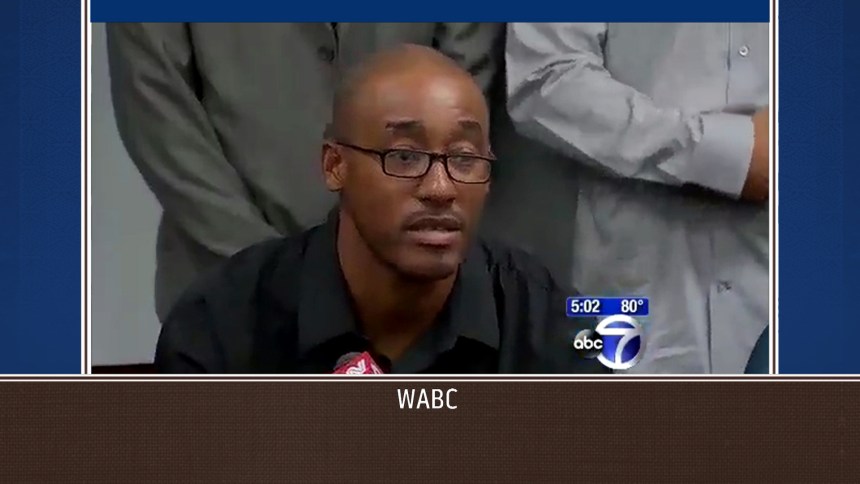
JUST BEING HILLARY CLINTON ISN’T ENOUGH RICHARD COHEN WASHINGTON POST Becoming the first female president is a worthy goal, but it kind of falls into the category of miles traveled and countries visited. It is an achievement, even a stunning one, but it is not a stirring trumpet call…The 2016 presidential nomination is Hillary Clinton’s to lose. Already, a group called “Ready for Hillary” has raised money on her behalf. Emily’s List, the formidable organization dedicated to the election of women, has virtually endorsed her — and she has, to mangle a word, the vastest network of friends and supporters of any American politician. She can probably raise $1 billion with the snap of a finger. All she lacks is what she has always lacked — an overriding, stirring message. Lots of people are ready to march, but they need to know in what direction. I. BENNETT CAPERS NEW YORK TIMES ..The New York Police Department has watered down the standard so that almost any black or Hispanic male can be deemed suspicious without need for further investigation. That means me. … That still leaves the question, “What now?” Mayor Bloomberg is sure to appeal Judge Scheindlin’s decision, both in the court of appeals and the court of public opinion. But that’s not the only option. He could actually welcome Judge Scheindlin’s decision to appoint an independent monitor to supervise reform. Mr. Bloomberg already claims crime reduction as part of his legacy. It’s not too late for him to claim that and more: that he reduced crime and finally did so in a way that was fair, egalitarian and not racially discriminatory. And it’s certainly not too late for his successor. Just imagine what a legacy that would be. And not just for the mayor, but for New York City as well.
Morning staff Recommended


