








The summer before I started high school, there was a spate of violence in my hometown. Parents and community leaders were distressed, and responded by organizing a prayer vigil. I attended along with many of my friends. All the young people were asked to come forward at the end of the evening and form a tight circle. The adults followed and circled around us, lifting one hand over our heads and using the other hand to grab our shoulders in a sign of love, support, and protection. The minister then prayed for our nation, our community, and for us.
I’ll never forget his prayer.
“Lord, build a hedge of protection around these children. Lord, be a fence all around them and keep them from the winds of the storm.”
I should have felt grateful for the love and concern of my elders, but I mostly felt annoyed. Even as the Reverend prayed that God keep us from the storm, I sent up my own prayer:
“Not me, Lord. Put me right in the storm. I don’t want to be protected from those winds. I want to make them!”
I have never regretted my counter-prayer. In high school, I discovered the writings of Steven Biko, learned about the anti-apartheid movement in South Africa, and became convinced my generation could still be part of great actions for change. In college, I was swept up in campus activism that altered the direction of my professional and personal life. Being in the storm always seemed both more interesting and more meaningful than being sheltered safely on the sidelines.
More than 25 years after bristling at the idea of being protected, my first reactions to the George Zimmerman verdict were to cry out in distress about what feels like my powerlessness to offer safety to the children of our communities. Like the parents who extended their arms and prayers over me all those years ago, my first reaction to this feeling of insecurity was to reach out and grab those young people close.
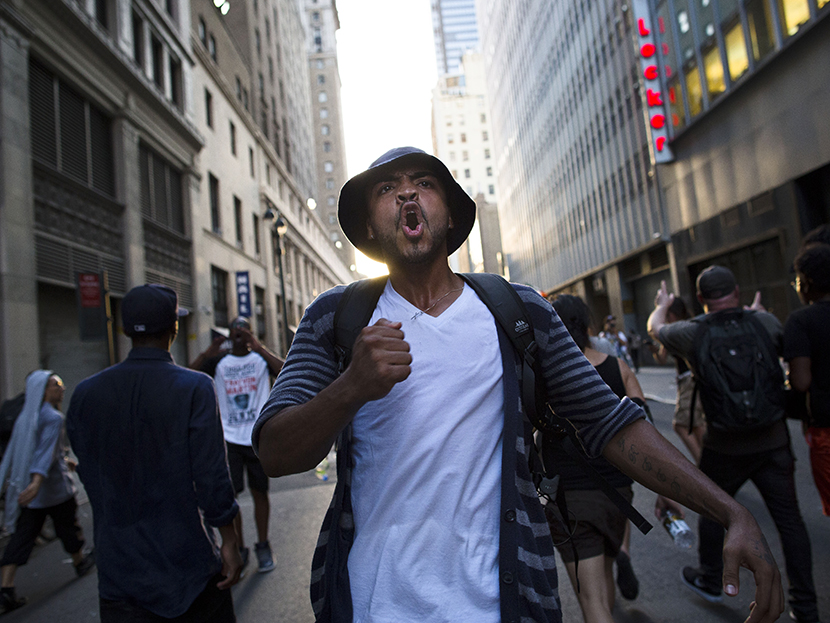
I had forgotten. We must not fetishize safety to the exclusion of justice. The activism of our young people may just be the most powerful tool we have in the fight for a fairer world–even if their activism also makes them vulnerable. I wept this week for the lost innocence of youth who were told by a not guilty verdict that their lives did not matter. While I wanted to protect them, they spoke out forcefully for themselves. They were clear. It is not protection they need. It is justice. It is organization. It is directed action to change the world. (I recommend that you listen to the words of the Black Youth Project 100, a group of young black activists from across the country who were together when the verdict was read. Listen to their tone and their determination.) Let me revise my prayer. “Lord, make me brave enough to follow the young people into the raging storm.”
Melissa Harris-Perry Recommended


