








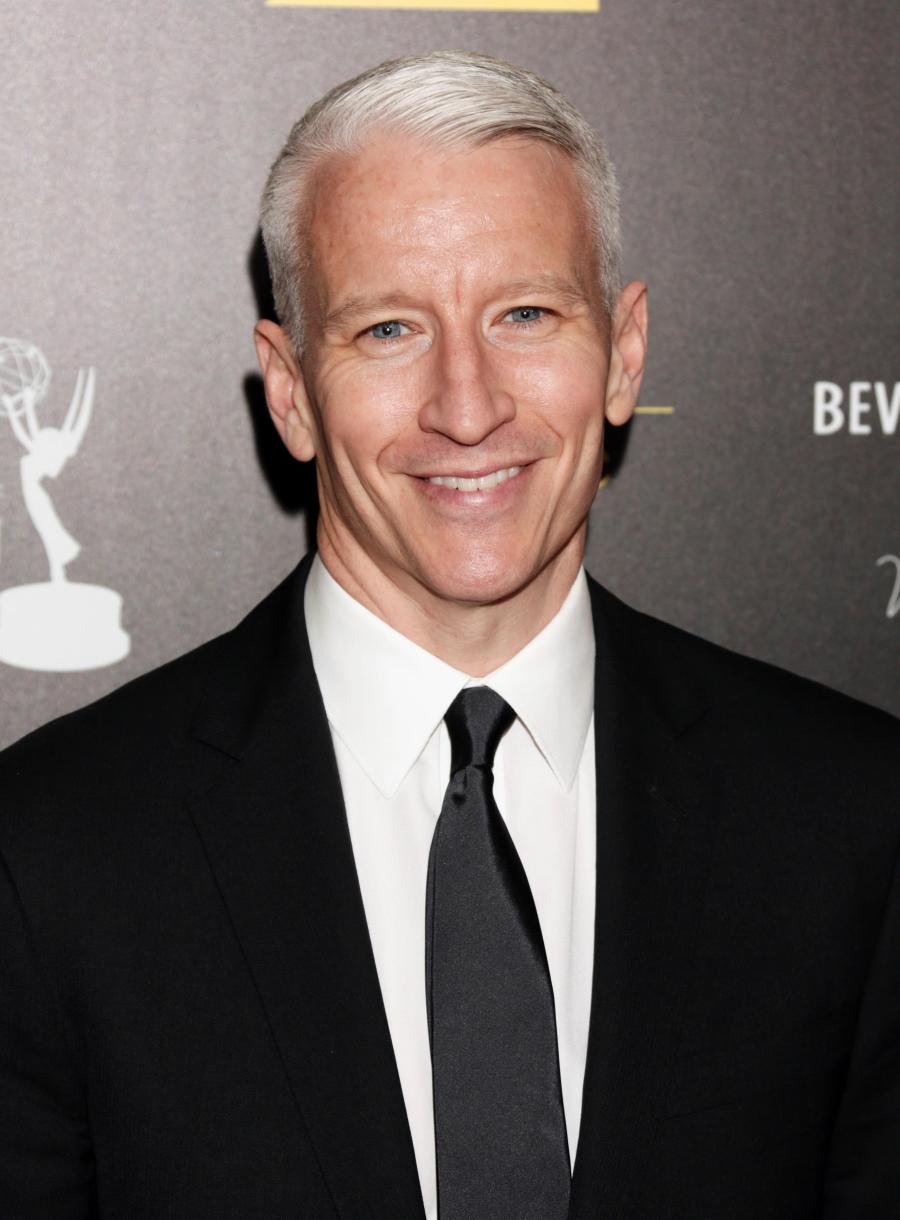
Earlier this week, CNN anchor Anderson Cooper came “out,” and it was a nice thing to have happened. We can all find it within ourselves to be happy for someone, and for society at large, when an influential person shares that they are part of a less-than-obvious minority group. Role models matter, and so do optics — and not just for the proverbial queer kid in a difficult spot. Seeing, unfortunately, is believing.
But please read the words Cooper actually wrote in his “coming out” letter to Daily Beast blogger Andrew Sullivan, because they go much further than “the fact is, I’m gay.” (He also makes some great points about the nature of his work and his journalistic integrity trumping details about whom he sleeps with.) By framing his story as a simple fact, not the fact, Cooper has made a much subtler political statement about the nature of being queer. He states the crux of it like this:
It’s become clear to me that by remaining silent on certain aspects of my personal life for so long, I have given some the mistaken impression that I am trying to hide something – something that makes me uncomfortable, ashamed or even afraid. This is distressing because it is simply not true.
Cooper’s letter, in part, addresses the casual, matter-of-fact way in which many famous and non-famous queers are choosing to make their sexuality public. Entertainment Weekly recently deemed this “The New Age of Coming Out,” characterized by the “new normal,” consisting “of being plainspoken, clear, and truthful about who you are.”
Now we can all thank goodness that we are living in the AfterEllen era, but the insistence that “coming out” is about being “true” to who you are is exactly the problem. We have accomplished nothing if coming out decision becomes an “obligation” on one hand versus a matter of “privacy” on the other.
The “closet” has always presented an ever-false dichotomy regarding queerness as a failed identity. The whole idea of “coming out” reinforces the hetero-normative notion that being in the “closet” is dishonest or in the service of “passing” in the straight world — or worse yet, as coming out from the darkness where the so-called deviant homosexual might lurk.
Frankly, the idea that queers live “in the closet” verges on the absurd — given that if that there are great many more people, queer and not, whose sexual desires aren’t public knowledge nor up for discussion. Historically, “coming out” was an important political step in establishing homosexuality as a legitimate identity worthy of respect and safety (emphasis on safety, especially when you consider the real danger that silence presented during the AIDS crisis).
Today, for many, the act of “coming out” is an incredibly important and most often difficult personal journey. It remains, a brave act in the face of the very real danger that is being gay in our country. But remaining on the “inside” or “closeted” is also about legitimacy and respect for autonomy.
Cooper’s subtle slide out of the closet was eased by his position of relative privilege being white, male and a scion of the Gilded Age (he is the son of Gloria Vanderbilt). However, that does not universalize his ease. Take our own Steve Kornacki, co-host of “The Cycle,” who shares Cooper’s gender, race and profession. Kornacki’s coming out was belabored, raw, and beautiful in a way very dissimilar to Cooper’s.
Not all “coming out” stories are created equal. But rather that, once again particularities matter just as much as the optics.
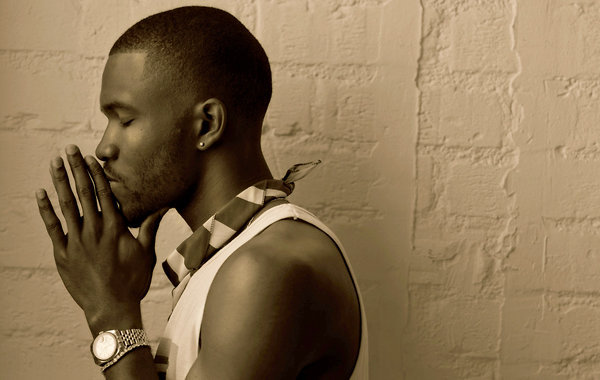
Let’s consider what many consider the bigger reveal of the week: Frank Ocean. The R&B singer/producer’s publicly-announced same-sex love story goes a much longer distance for the optics of sexuality. Ocean has created an opening for complexity in hip-hop which all too often produces what dream hampton described this week as “gender constructs [that] are cartoonishly fixed.” But even in his complexity, people are clamoring for more clarity, and for the performance they expect, from Ocean. Both Ocean and Cooper’s personal disclosures share a tolerance for the complexities of sexual identity. The consistent presumption of heterosexuality as the norm makes “coming out” something one has to do every day. The incessant demand for everyone to adhere to the dominant sexual taxonomy is expressed in the desire to “know,” to have figured out where to put you, since to many, one’s identity doesn’t exist unless it is disclosed, or there’s a box to check. Comedian Kathy Griffin, a queer ally and Cooper’s good friend, weighed in on his outing: What many young people do know is what they read in short bursts on celebrity Twitter posts or on TMZ. And what they read and see is how freeing being honest can be,” she continued. “What they don’t see is that it remains, in many places, very dangerous to do just that. And that dichotomy is deeply troubling to me. Perhaps the dichotomy that troubles her aptly describes what it is to be queer in contemporary America. That balance between freedom and risk is a space where all those who share the broad umbrella category of queer live and thrive every day. No amount of disclosure will ever get us out of the radical identity position that being gay presents. Coming out was, and remains, an important political statement in many respects. That said, we have to flip the script on the narrative that “coming out” is solely about disclosure.
Kathleen Osborn Recommended


